
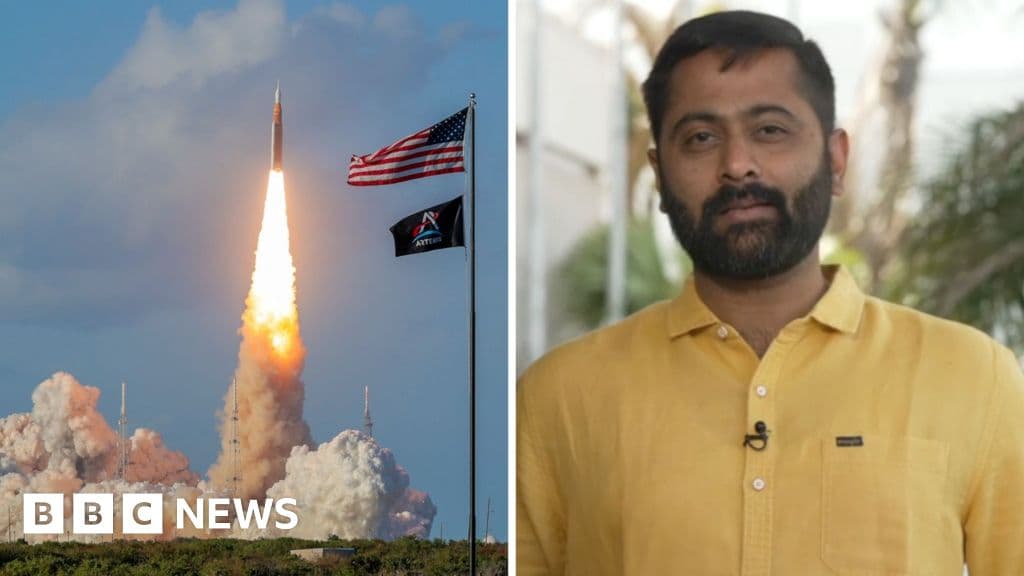
Image: BBC Science
Discover why NASA's Artemis II mission won't land on the Moon but is vital for future exploration. What does this mean for space travel? Read on!
GlipzoNASA's Artemis II mission is set to redefine human space exploration, marking the first crewed journey to the Moon in over 50 years. However, despite the excitement surrounding this monumental event, the mission will not land on the lunar surface. Instead, it serves as a crucial preparatory step aimed at laying the groundwork for future lunar landings, potentially as soon as 2028.
The Artemis program, spearheaded by NASA, is designed to establish a sustainable human presence on the Moon. The absence of a lunar landing during this mission, scheduled to launch from Florida, allows the team to evaluate spacecraft systems and crew capabilities in the demanding environment of space travel. This strategy sets the stage for subsequent missions that aim to explore deeper into space, including Mars.
This strategic decision is rooted in the broader goals of the Artemis program. The aim is to achieve more than just brief visits to the Moon. By using Artemis II as a testbed, NASA is fostering the technology and understanding necessary for long-term lunar exploration and eventual missions to Mars. The program is not just about the Moon; it's about preparing humanity for the next giant leap into the cosmos.
Key objectives of Artemis II include: - Crew Training: Preparing astronauts for the unique challenges of lunar missions. - System Testing: Evaluating life support and navigation systems in real space conditions. - Mission Planning: Gaining data that will inform future landing missions.
By prioritizing these elements, NASA aims to ensure that when the time comes to land on the Moon, the missions will be as safe and successful as possible.
The Artemis program represents a significant shift in how humanity approaches space exploration. Unlike the Apollo missions, which were primarily focused on short-term goals, Artemis envisions a sustained human presence on the lunar surface. This approach is designed to enable scientific research, resource utilization, and international collaboration.
Artemis II will carry a crew aboard the Orion spacecraft, which will travel around the Moon and return to Earth. This mission is a vital precursor to Artemis III, which is targeted for 2025 and aims to land astronauts, including the first woman and the next man, on the Moon. It's a historic commitment to diversity in space exploration, reflecting a modern vision for humanity’s future in space.
The decision not to land during Artemis II is about more than just a single mission. It symbolizes a shift towards a more thoughtful and strategic approach in space exploration. The long-term goal of establishing a sustainable human presence on the Moon is not merely an ambitious dream; it's a critical step toward the eventual colonization of Mars and beyond.
The implications of these efforts extend beyond scientific discovery. They include: - Technological Advances: Innovations developed for lunar missions can enhance life on Earth, from advancements in materials science to improved satellite communications. - International Collaboration: The Artemis program has garnered global interest, fostering partnerships with other space agencies and private sector entities. - Inspiring Generations: Just as the Apollo missions inspired a generation, the Artemis initiative aims to ignite interest in STEM fields among youth worldwide.
As the launch date approaches, all eyes will be on NASA and the Artemis II mission. The focus will be on how well the crew adapts to the challenges of their journey and what data they can gather to inform future missions. Following Artemis II, NASA plans to ramp up activities leading to Artemis III, making the dream of lunar exploration a reality.
In summary, while Artemis II may not land on the Moon, its importance cannot be understated. It is paving the way for a new era of exploration that could take humanity beyond the lunar surface and into the depths of our solar system. As we look forward to the upcoming missions, the excitement and anticipation for what lies ahead in the realm of space exploration continue to build.

Discover how the brain protein Menin could be the key to halting cognitive decline with new research that uncovers its vital role in aging.
Indian Express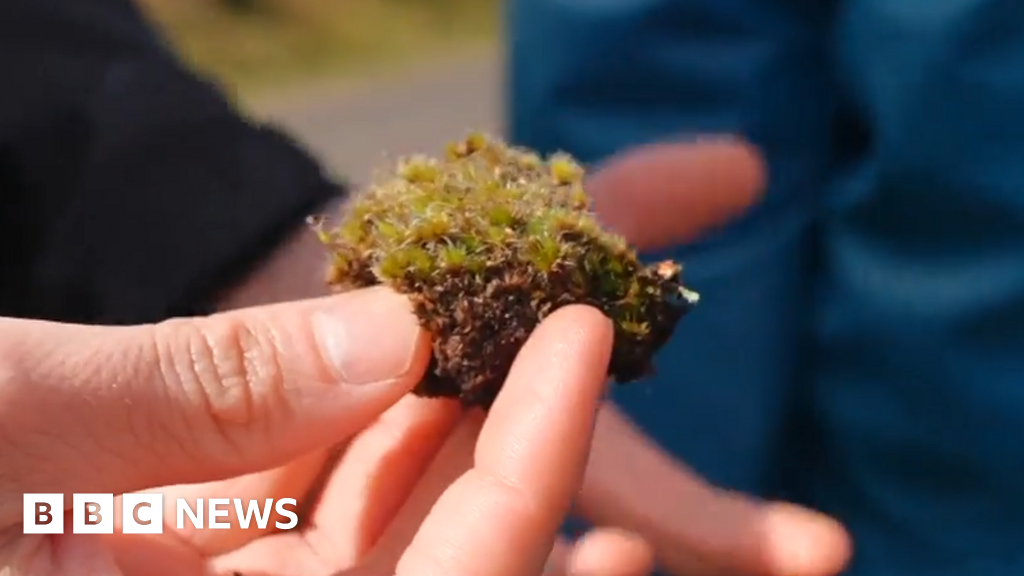
A new 'killer fungus' discovered in the UK targets invasive heath-star moss, offering hope for restoring native habitats. Will it turn the tide against invasives?
BBC Science
A Blue Origin rocket exploded during a test in Florida, prompting investigations. All personnel are safe. What does this mean for the future of space travel?
BBC Business