
Image: BBC Business
A Blue Origin rocket exploded during a test in Florida, prompting investigations. All personnel are safe. What does this mean for the future of space travel?
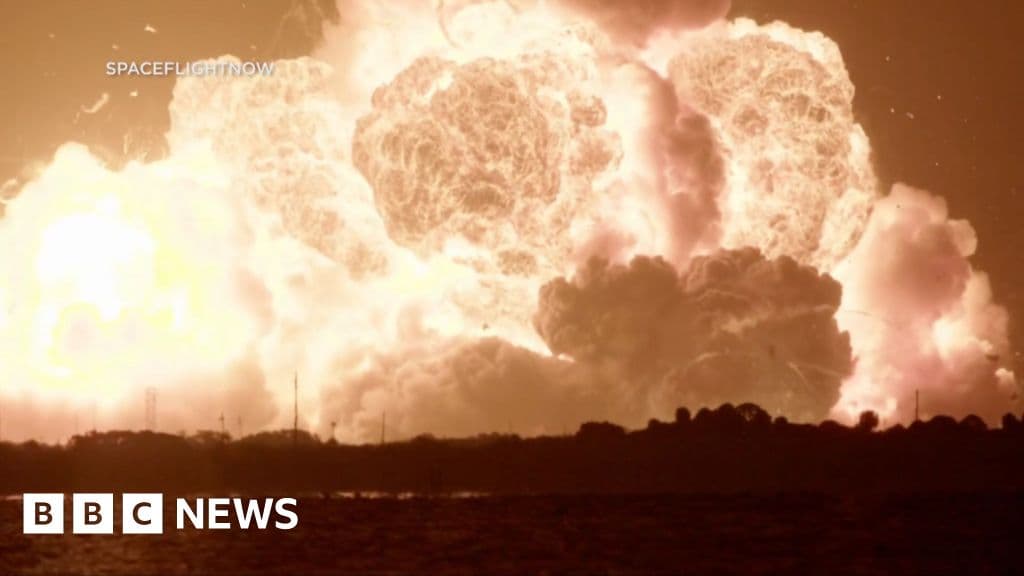
GlipzoIn a shocking incident on October 5, 2023, a rocket from Blue Origin, the aerospace company founded by billionaire Jeff Bezos, exploded on its launch pad in Cape Canaveral, Florida. The explosion occurred around 9:00 PM local time (02:00 GMT), during what was scheduled to be a hotfire test ahead of an upcoming launch. Eyewitness footage captured the dramatic moment as the rocket erupted into a massive fireball, engulfing the immediate area in flames.
In response to the incident, Blue Origin released a statement on social media acknowledging that they had “experienced an anomaly” during the test. Thankfully, the company confirmed that all personnel present at the site were accounted for and safe. Jeff Bezos, in a heartfelt message, expressed his concern for the team, stating, “It’s too early to know the root cause but we’re already working to find it. Very rough day, but we’ll rebuild whatever needs rebuilding and get back to flying. It’s worth it.”
The Brevard County Emergency Management team quickly responded to the scene, confirming that there was no risk to the public following the explosion. The US Space Force has deployed emergency responders to assist in the containment and assessment of the situation. Officials are collaborating with Blue Origin to analyze the available data to pinpoint the exact cause of this alarming anomaly.
This incident highlights the inherent risks associated with space exploration, especially during the development of advanced launch capabilities. NASA Administrator Jared Isaacman commented on the incident via social media platform X, stating: “Spaceflight is unforgiving, and developing new heavy-lift launch capability is extraordinarily difficult. We will work with our partners to support a thorough investigation of this anomaly, assess near-term mission impacts, and get back to launching rockets.”
The Federal Aviation Administration (FAA) has acknowledged the incident, clarifying that the test was not part of any FAA licensed activities. They reported that there was no disruption to air traffic as a result of the explosion. The FAA’s statement underscores the regulatory complexities facing aerospace companies like Blue Origin, particularly as they conduct tests that fall outside the scope of their existing licenses.
Adding to the scrutiny, just a month prior, Blue Origin's New Glenn rocket was grounded following a mishap involving the failed launch of a satellite for AST SpaceMobile. This incident raised red flags about the company’s operational procedures and capabilities, leading to a deeper investigation by the FAA into their launch practices.
Despite these setbacks, Blue Origin has had notable successes in the past. The company achieved a significant milestone last November when it launched a New Glenn rocket from Florida, successfully landing its reusable booster for the first time. This accomplishment marked a pivotal moment in the company’s quest to develop reliable and cost-effective space transportation solutions.
The latest explosion comes as Blue Origin attempts to establish itself in the competitive landscape of space exploration, where companies like SpaceX and Blue Origin vie for dominance. With ambitious plans for future launches and the goal of making space travel more accessible, the stakes are incredibly high.
As the investigation into the anomaly unfolds, the focus will shift to understanding the root cause of the explosion. Industry experts and analysts are keenly observing how Blue Origin will respond to this latest challenge. A thorough assessment could lead to significant changes in safety protocols and launch procedures.
Looking ahead, the implications of this incident could ripple through the aerospace community, prompting stricter regulations and heightened scrutiny on test launches. The pressure is on for Blue Origin to not only recover but to ensure that their future launches are safe and successful.
As they work to rebuild and innovate, the company’s next steps will be critical in restoring confidence among stakeholders and the public. Will they bounce back stronger, or will this incident hinder their progress in the increasingly competitive space race? Only time will tell.
This explosion at Blue Origin underscores the dangers of space exploration and the complexities involved in developing new technologies. Each incident not only affects the company involved but also has broader implications for the future of space travel and exploration, making it essential for companies to prioritize safety and transparency in their operations.
By understanding the challenges faced by companies like Blue Origin, stakeholders can better appreciate the risks and rewards associated with venturing into the final frontier.

Discover how the brain protein Menin could be the key to halting cognitive decline with new research that uncovers its vital role in aging.
Indian Express
A new 'killer fungus' discovered in the UK targets invasive heath-star moss, offering hope for restoring native habitats. Will it turn the tide against invasives?
BBC Science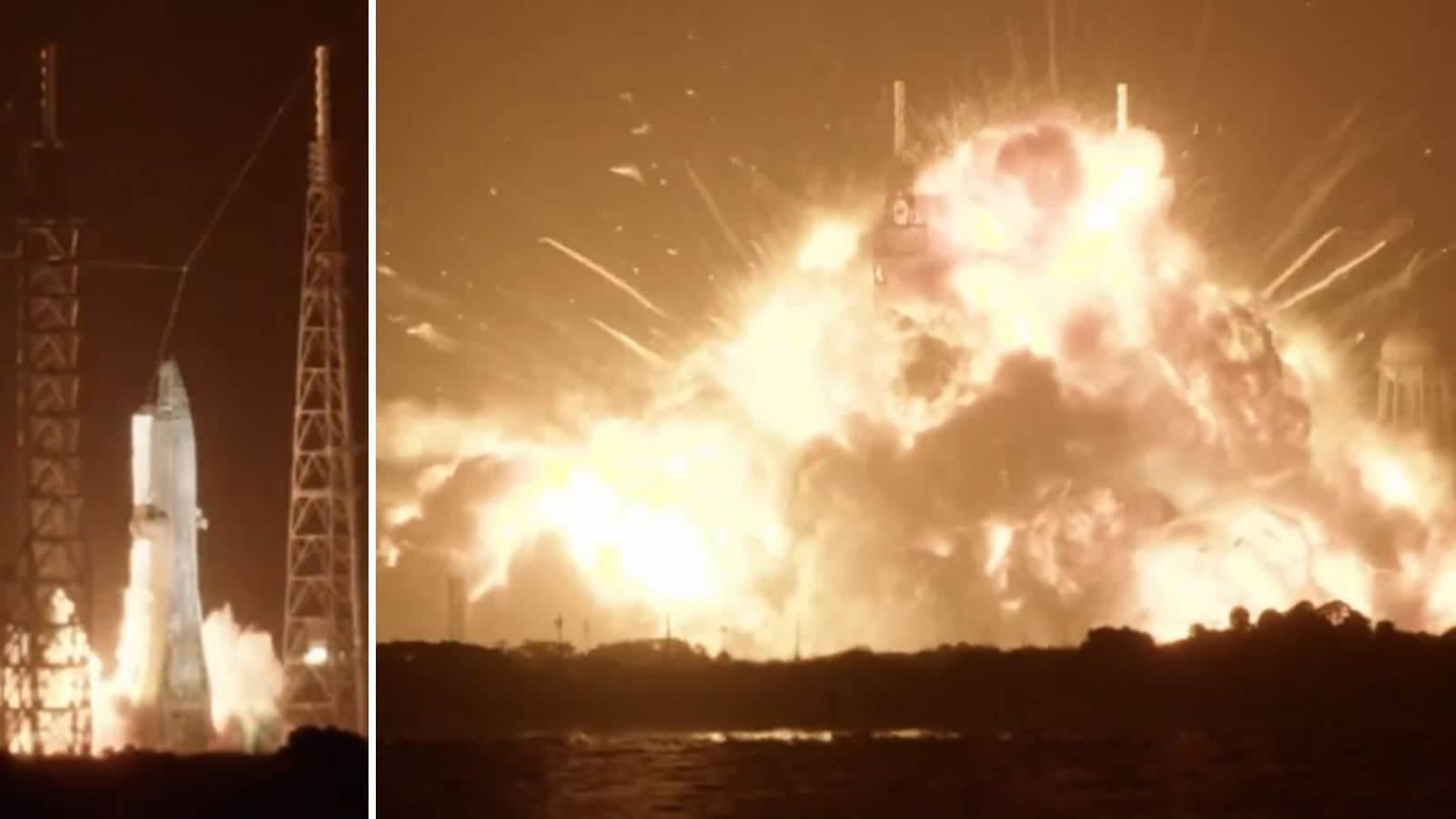
A Blue Origin rocket exploded in Florida during a test, prompting Jeff Bezos to address the incident. What does this mean for the future of space exploration?
Indian Express