
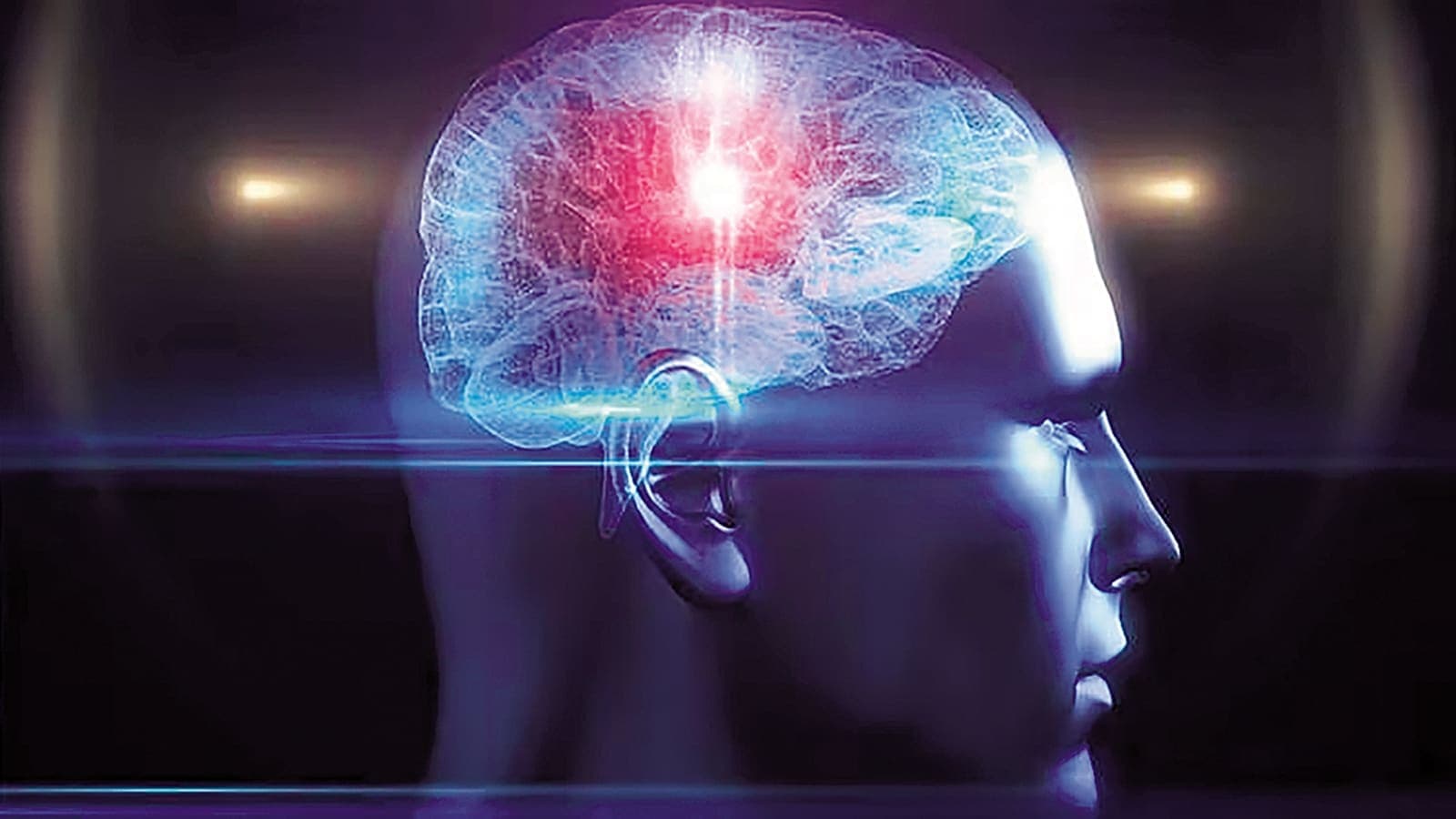
Image: Indian Express
Discover how the brain protein Menin could be the key to halting cognitive decline with new research that uncovers its vital role in aging.
GlipzoResearchers have unveiled a groundbreaking discovery that could change our understanding of how aging affects the brain. A recent study published in PLOS Biology highlights the role of a brain protein known as Menin in regulating the aging process. This research reveals that lower levels of Menin can lead to inflammation, memory loss, and various age-related changes throughout the body. Conducted by a team led by Lige Leng at Xiamen University in China, the findings suggest that Menin may act as a crucial protective factor against aging-related decline.
In experiments involving mice, scientists found that restoring Menin levels reversed several indicators of aging. Furthermore, supplementation with a simple amino acid significantly improved cognitive functions in these animals. This research points to the hypothalamus, a small yet influential brain region, as a central player in the aging process. The hypothalamus is responsible for regulating critical bodily functions like metabolism, hormones, sleep, and stress responses, making it a vital focus for future aging research.
The study specifically scrutinized how Menin functions within the hypothalamus. Previous research had already established Menin’s importance in suppressing brain inflammation. As mice aged, researchers observed a significant drop in Menin levels, particularly in the ventromedial hypothalamus (VMH), an area closely connected to metabolism and systemic aging. Notably, this decline was not observed in supporting cells like astrocytes or microglia, pointing to a targeted mechanism affecting neuronal health.
To delve deeper into the implications of reduced Menin levels, the research team engineered mice with diminished Menin activity. The outcomes were striking, revealing that younger mice with lower Menin levels experienced: - Increased brain inflammation - Thinning skin - Reduced bone mass - Impaired balance - Significant memory issues - A shorter lifespan compared to their normal counterparts
These findings suggest that Menin serves not just as a protein but as a potential “anti-aging” factor within the brain, playing a crucial role in maintaining cognitive health.
Among the most intriguing discoveries from this research was the relationship between Menin and D-serine, an amino acid that also acts as a neurotransmitter. D-serine is essential for neuronal communication, learning, and memory. As Menin levels decreased, so did the production of D-serine, leading researchers to investigate further how these two molecules interact.
The team identified that the decrease in D-serine production was linked to reduced activity of an enzyme crucial for its synthesis, which appears to be regulated by Menin itself. D-serine is naturally found in foods such as soybeans, eggs, fish, and nuts, and it is also available as a dietary supplement. The potential for using D-serine as a therapeutic agent is an exciting avenue for future research.
This research adds to a growing body of evidence suggesting that aging is heavily influenced by the hypothalamus. As scientists continue to explore the mechanisms of aging, understanding how proteins like Menin affect neuroinflammation will be critical. The connection between declining D-serine levels and aging-related cognitive impairment raises important questions about how dietary changes or supplements might impact brain health in older adults.
The study's findings have significant implications for developing new therapeutic strategies aimed at combating age-related cognitive decline and inflammatory conditions. As we age, maintaining healthy levels of Menin and D-serine could become crucial components of a holistic approach to preserving cognitive function.
As this research unfolds, several key areas warrant further exploration: - Investigating the potential for Menin or D-serine supplementation in humans - Understanding the precise mechanisms through which Menin regulates D-serine synthesis - Exploring other hypothalamic factors that may influence aging and cognitive function
The ongoing exploration into the biological mechanisms of aging could lead to significant advancements in how we understand and treat age-related diseases. As researchers delve deeper into the roles of Menin and D-serine, the possibilities for enhancing cognitive health and extending lifespan may become more tangible.
In conclusion, the discovery of Menin's protective role in the aging process opens doors to exciting new research and potential therapies. It highlights the importance of the hypothalamus in managing aging-related changes, emphasizing that what happens in our brains can significantly affect our overall health as we grow older. The journey to understand and potentially manipulate the aging process is just beginning, and the implications could be profound.
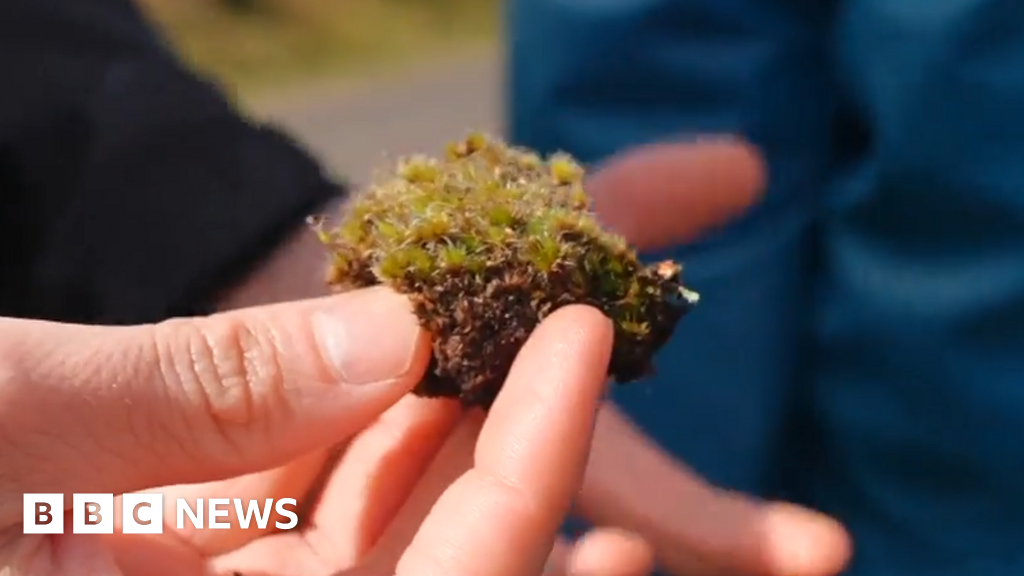
A new 'killer fungus' discovered in the UK targets invasive heath-star moss, offering hope for restoring native habitats. Will it turn the tide against invasives?
BBC Science
A Blue Origin rocket exploded during a test in Florida, prompting investigations. All personnel are safe. What does this mean for the future of space travel?
BBC Business
A Blue Origin rocket exploded in Florida during a test, prompting Jeff Bezos to address the incident. What does this mean for the future of space exploration?
Indian Express