
Image: BBC Science
A new 'killer fungus' discovered in the UK targets invasive heath-star moss, offering hope for restoring native habitats. Will it turn the tide against invasives?
GlipzoA recent discovery in Britain has sent ripples through environmental science and conservation communities: a new species of killer fungus that targets the invasive heath-star moss. This finding not only sheds light on the struggle against invasive species but also ignites hope for the restoration of native habitats that have been severely impacted over the decades.
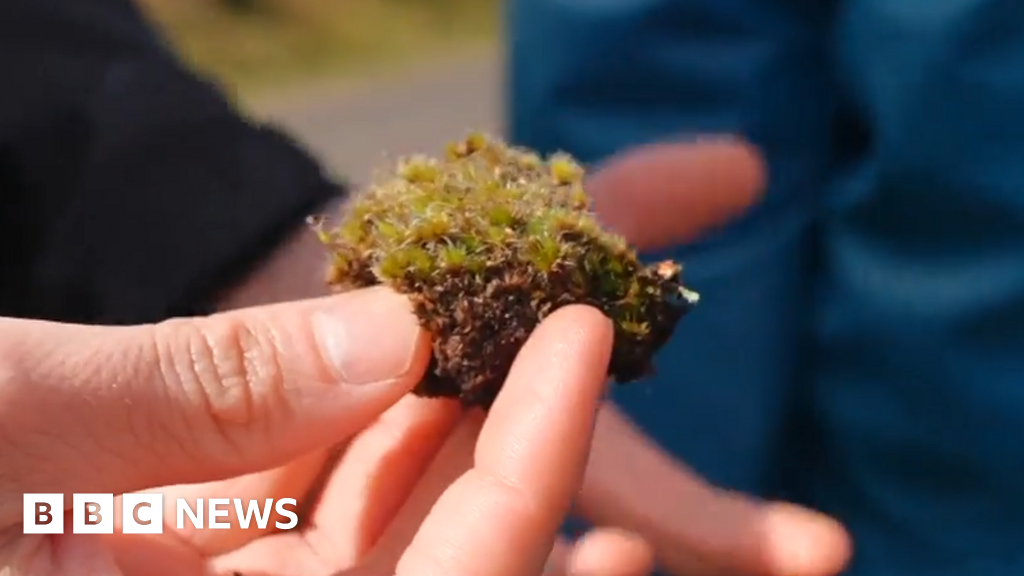
The heath-star moss, notorious for its aggressive growth and dominance, has become a common sight across various landscapes in the UK, from hillsides and sand dunes to gardens and even tarmacked areas. This invasive plant has thrived since it was introduced to Britain in the 1940s, leading to the decline of native moss species and other flora.
Dr. George Greiff, a dedicated researcher and curator at the Amgueddfa Cymru museum in Cardiff, has been pivotal in identifying this "killer fungus". He first stumbled upon the phenomenon four years ago while walking on the Isle of Wight. During this walk, he observed patches of dead heath-star moss, igniting his curiosity and leading to further investigation.
Initially, Greiff was unsure of the cause behind the moss die-back. However, as he continued to spot instances of decay, he began collaborating with fellow scientists in the UK and France to uncover the mystery. After extensive research and DNA sequencing, they identified the culprit: a previously unrecognized fungus now known as moss die-back. This breakthrough represents a significant step in understanding how nature can combat invasive species.
Greiff describes the heath-star moss as an attractive plant but one that has wreaked havoc on the local ecosystem. It has been known to spread rapidly, releasing spores that enable it to colonize vast areas, effectively pushing out native vegetation. The invasive species has become so prevalent that it has led to the local extinction of several native moss varieties, which are crucial for maintaining the health of various habitats, such as temperate rainforests and peatlands.
The introduction of nearly 2,000 non-native plants and animals to the UK has led to dire consequences for local ecosystems. Some of the most notorious invaders include: - Japanese knotweed: A plant known for damaging infrastructure and homes. - Rhododendron: This species leeches toxins into the soil, harming native flora. - North American grey squirrel: This rodent has significantly diminished the populations of the native red squirrel.
With the heath-star moss's rapid expansion, researchers are alarmed at the plant's potential to dominate diverse habitats, making the discovery of a natural enemy all the more significant.
In a recent expedition through the Bannau Brycheiniog National Park near Abergavenny, Greiff showcased the fungus’s effects on the environment. He led a team of observers along a path, keenly searching for signs of the moss die-back. It wasn’t long before he found a striking "fairy ring of death", a circular patch of dead moss that signified the fungus's active presence.
Using a macro lens, observers noted white blobs on the moss tips, indicating the fungus's destructive yet beneficial activity. With the decay of the heath-star moss, baby heather plants and other flora now have the opportunity to take root, potentially revitalizing the local ecosystem.
Dr. Greiff's research has revealed that the moss die-back fungus attaches itself to the moss stem and grows extensively, often infiltrating the moss cells. This method of attack underscores the fungus's effectiveness as a natural control agent against the invasive heath-star moss.
“This discovery is a reminder of nature’s resilience,” Greiff remarked during our visit to the lab, emphasizing that understanding the balance between invasive species and their natural enemies is crucial for conservation efforts.
The introduction of the moss die-back fungus stands as a critical turning point in the battle against invasive species in the UK. As ecosystems face increasing threats from non-native plants and animals, the potential for natural solutions becomes paramount. Moreover, the health of local habitats is intertwined with the survival of native species, which play essential roles in maintaining ecological balance.
As scientists continue to monitor the spread of the fungus, questions arise about its long-term impact and the potential for other similar findings in the future. Will this be the beginning of a broader trend towards discovering natural antagonists for invasive species?
The discovery of this killer fungus has sparked interest not only among scientists but also conservationists and environmental advocates. Moving forward, it will be crucial to monitor the fungus’s effectiveness in controlling heath-star moss populations and restoring native habitats across the UK.
There is hope that, with continued research and awareness, more natural solutions will be identified to combat invasive species and protect the rich biodiversity of Britain's landscapes. As Dr. Greiff continues to expand his research, it's clear that the future of the UK’s native environments may be more promising than once thought.

Discover how the brain protein Menin could be the key to halting cognitive decline with new research that uncovers its vital role in aging.
Indian Express
A Blue Origin rocket exploded during a test in Florida, prompting investigations. All personnel are safe. What does this mean for the future of space travel?
BBC Business
A Blue Origin rocket exploded in Florida during a test, prompting Jeff Bezos to address the incident. What does this mean for the future of space exploration?
Indian Express