Glipzo
WorldTechnologyBusinessSportsEntertainmentScienceHealthPolitics
Glipzo
WorldTechnologyBusinessSportsEntertainmentScienceHealthPolitics
  1. Home
  2. /
  3. Science
  4. /
  5. US Faces Year of Extreme Weather: Heat Waves and El Niño
US Faces Year of Extreme Weather: Heat Waves and El Niño

Image: Ars Technica

Science
Friday, March 20, 20264 min read

US Faces Year of Extreme Weather: Heat Waves and El Niño

The US faces an extreme weather year with record heat waves and a looming El Niño, raising concerns about water supply and wildfire risks.

Glipzo News Desk|Source: Ars Technica
Share
Glipzo

Key Highlights

  • Record-breaking heat wave hits the American West this week.
  • El Niño could develop by August, impacting weather patterns.
  • Low snowpack levels raise wildfire and drought concerns.
  • Experts warn of prolonged extreme heat across multiple states.
  • Water supplies in the Colorado River face critical challenges.

In this article

  • Record-Breaking Heat Wave Hits the West The United States is bracing for an unpredictable year of extreme weather as **record-breaking heat** sweeps across the West, coinciding with the potential onset of a strong **El Niño** phenomenon later this year. Despite 2025 being marked as the **third-hottest year** on record, the country had a relatively quiet climate disaster year, with no major hurricanes and wildfires burning fewer acres than the decade average. However, the current situation signals a shift towards more chaotic weather patterns.
  • A Heat Wave Like No Other Beginning this week, a massive ridge of high-pressure air is expected to unleash scorching temperatures across the American West. The **National Weather Service (NWS)** has issued heat warnings across states like **California, Arizona, and Nevada**, with records poised to be shattered in numerous locations stretching as far as **Missouri** and **Tennessee**.
  • Impacts on Water Supply and Wildfire Risk This unusual late winter heat wave compounds an already warm winter in the West, raising significant concerns for the approaching summer. Just a month ago, **snowpack levels** were at record lows across multiple states, sitting below **50 percent** of average in many areas, according to the **Department of Agriculture**.
  • The Threat of Wildfires Swain warned that the ongoing heat wave will likely exacerbate already precarious conditions. He explained that April 1st typically marks the peak of snowpack levels, and with such low levels already recorded, the implications for the fire season are dire. Low snowpack leads to dry soil, dead trees, and decreased stream flow—conditions that are ripe for wildfires.
  • The El Niño Phenomenon Approaching Adding another layer of complexity to this already concerning scenario is the potential emergence of **El Niño** later this year. The **National Weather Service** recently projected a **60 percent chance** that an El Niño event will develop by **August or September**. Various weather models indicate this El Niño could be particularly strong, which could significantly influence weather patterns across the United States.
  • What Lies Ahead for the US Weather As the U.S. gears up for what could be a tumultuous year of weather extremes, the combination of an unprecedented heat wave and a looming El Niño could drastically reshape the climate landscape. Residents and officials alike must prepare for the potential impacts of these phenomena, including increased wildfire risks, water shortages, and unpredictable weather patterns.
  • Why It Matters Understanding these weather dynamics is crucial for farmers, water management authorities, and residents in regions prone to climate disasters. With changing weather patterns, preparation and adaptability will be key in navigating the challenges posed by extreme weather conditions.
  • Conclusion In summary, the U.S. is on the brink of experiencing a year marked by chaotic weather, driven by a record-breaking heat wave and the potential emergence of El Niño. With water supplies and wildfire risks at critical levels, it is imperative for individuals and governments to remain vigilant and prepared for the challenges ahead.

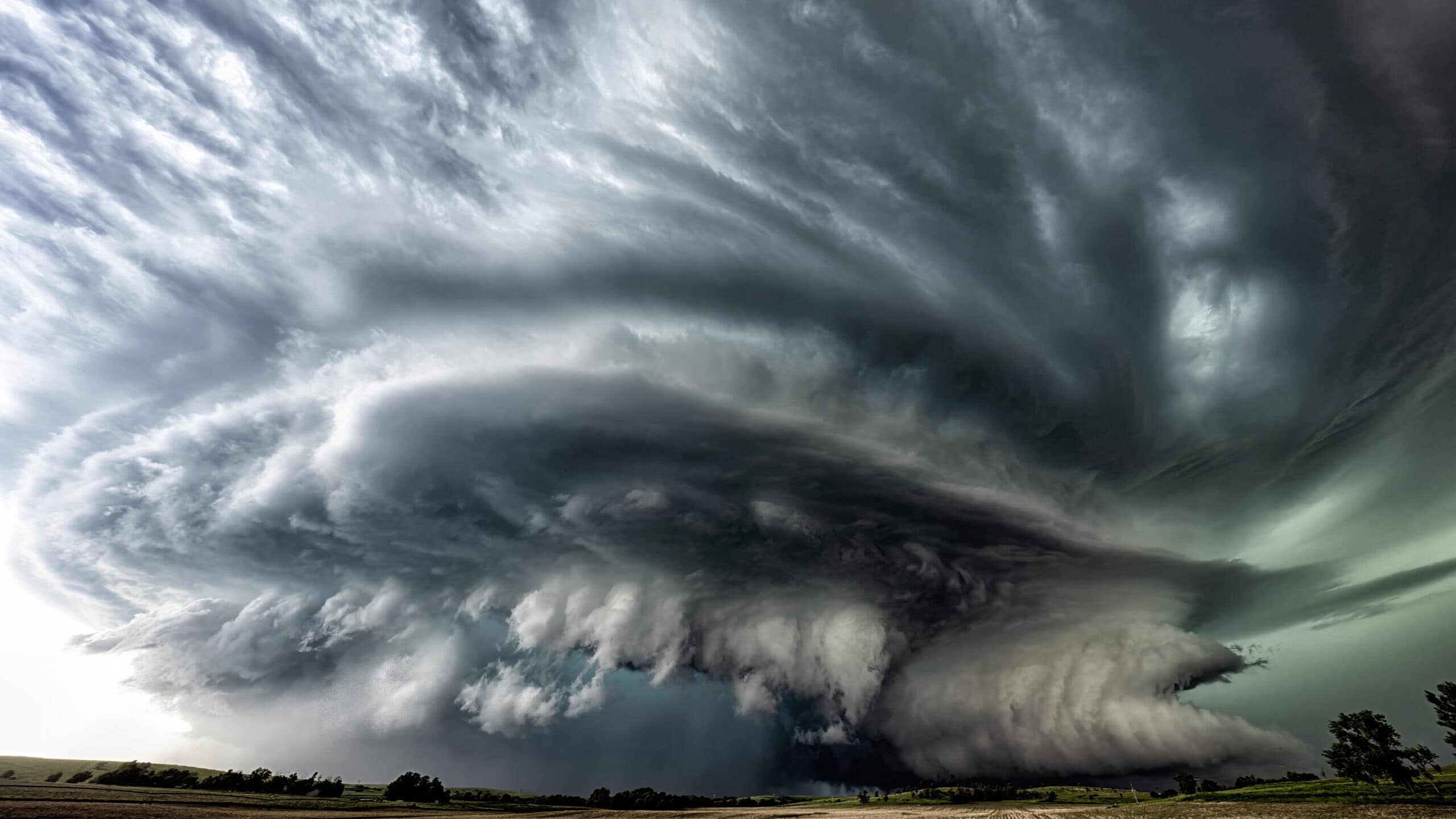
Record-Breaking Heat Wave Hits the West The United States is bracing for an unpredictable year of extreme weather as **record-breaking heat** sweeps across the West, coinciding with the potential onset of a strong **El Niño** phenomenon later this year. Despite 2025 being marked as the **third-hottest year** on record, the country had a relatively quiet climate disaster year, with no major hurricanes and wildfires burning fewer acres than the decade average. However, the current situation signals a shift towards more chaotic weather patterns.

A Heat Wave Like No Other Beginning this week, a massive ridge of high-pressure air is expected to unleash scorching temperatures across the American West. The **National Weather Service (NWS)** has issued heat warnings across states like **California, Arizona, and Nevada**, with records poised to be shattered in numerous locations stretching as far as **Missouri** and **Tennessee**.

Daniel Swain, a climate scientist at the University of California Agriculture and Natural Resources, stated, “This will be the single strongest ridge we’ve observed outside of summer in any month.” He emphasized the prolonged nature of this heat wave, predicting that many regions could experience record highs for over a week, with some areas set to break temperature records typically seen in April and May.

Impacts on Water Supply and Wildfire Risk This unusual late winter heat wave compounds an already warm winter in the West, raising significant concerns for the approaching summer. Just a month ago, **snowpack levels** were at record lows across multiple states, sitting below **50 percent** of average in many areas, according to the **Department of Agriculture**.

Snowpack acts as a vital natural reservoir for rivers in the region, contributing up to 70 percent of water supply through melting. The Colorado River, which serves 40 million people across seven states, is particularly vulnerable, and low snowpack levels are a worrying indicator of potential drought conditions and increased wildfire risk ahead of the summer months.

The Threat of Wildfires Swain warned that the ongoing heat wave will likely exacerbate already precarious conditions. He explained that April 1st typically marks the peak of snowpack levels, and with such low levels already recorded, the implications for the fire season are dire. Low snowpack leads to dry soil, dead trees, and decreased stream flow—conditions that are ripe for wildfires.

“Droughts like the one we’re experiencing can dry out soil, which only heightens the risk for wildfires,” Swain noted. As states relying on the Colorado River face growing political pressure to renegotiate water rights, any additional drought conditions could escalate the crisis.

The El Niño Phenomenon Approaching Adding another layer of complexity to this already concerning scenario is the potential emergence of **El Niño** later this year. The **National Weather Service** recently projected a **60 percent chance** that an El Niño event will develop by **August or September**. Various weather models indicate this El Niño could be particularly strong, which could significantly influence weather patterns across the United States.

Zeke Hausfather, a research scientist at Berkeley Earth, remarked, “The fact that all the models are moving upwards is worth watching.” El Niño, a natural climate variability cycle primarily affecting the tropical Pacific, redistributes heat from the ocean into the atmosphere, typically resulting in wetter conditions in some areas and drier conditions in others.

What Lies Ahead for the US Weather As the U.S. gears up for what could be a tumultuous year of weather extremes, the combination of an unprecedented heat wave and a looming El Niño could drastically reshape the climate landscape. Residents and officials alike must prepare for the potential impacts of these phenomena, including increased wildfire risks, water shortages, and unpredictable weather patterns.

The convergence of these two factors—intense heat and the possibility of an El Niño—means that weather events could become more severe, leading to enhanced challenges for communities across the nation.

Why It Matters Understanding these weather dynamics is crucial for farmers, water management authorities, and residents in regions prone to climate disasters. With changing weather patterns, preparation and adaptability will be key in navigating the challenges posed by extreme weather conditions.

As we look forward, it will be essential to monitor the evolution of the El Niño phenomenon and its potential impacts. Communities must stay informed and take proactive measures to mitigate risks associated with the anticipated chaotic weather of the coming year.

Conclusion In summary, the U.S. is on the brink of experiencing a year marked by chaotic weather, driven by a record-breaking heat wave and the potential emergence of El Niño. With water supplies and wildfire risks at critical levels, it is imperative for individuals and governments to remain vigilant and prepared for the challenges ahead.

Did you find this article useful? Share it!

Share

Related Articles

Exclusive Footage: Historic Hatch Opening of Artemis II Orion
Science
Apr 15, 2026

Exclusive Footage: Historic Hatch Opening of Artemis II Orion

Catch the historic moment as the hatch of Artemis II's Orion capsule opens, reuniting astronauts with a cheering recovery crew after their groundbreaking mission.

BBC Science
Critical Consultation for Golden Eagle Reintroduction in England
Science
Apr 14, 2026

Critical Consultation for Golden Eagle Reintroduction in England

Discover the critical consultation for the golden eagle reintroduction in northern England, aiming to restore this majestic species by 2027.

BBC Science
Transforming Coastal Ecosystems with Floating Wetlands
Science
Apr 14, 2026

Transforming Coastal Ecosystems with Floating Wetlands

Discover how floating wetlands aim to restore vital coastal ecosystems in the UK, offering a sustainable solution to environmental degradation.

BBC Science

Categories

  • World
  • Technology
  • Business
  • Sports

More

  • Entertainment
  • Science
  • Health
  • Politics

Explore

  • Web Stories
  • About Us
  • Contact

Legal

  • Privacy Policy
  • Terms of Service

© 2026 Glipzo. All rights reserved.