
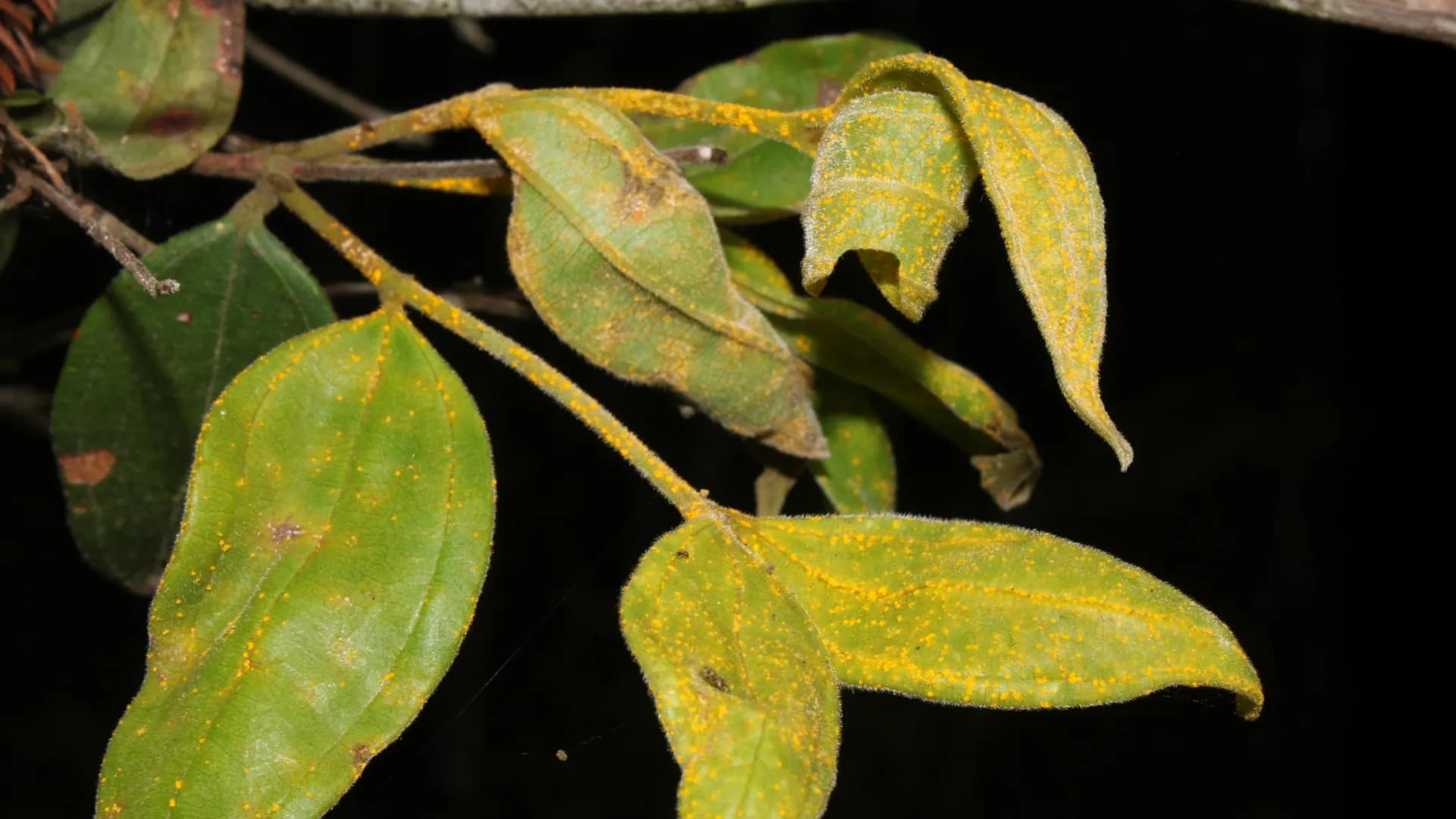
Image: Science Daily
Discover how Australia’s ‘zombie tree’ faces extinction due to myrtle rust. What actions are scientists taking to save Rhodamnia zombi? Find out more.
GlipzoThe alarming reality is that this species has now been classified as potentially critically endangered, joining a Category X list that includes 17 other species, all at risk of extinction without intervention. Professor Fensham emphasized, “Without any intervention, the 17 species on this Category X list will be extinct within a generation.”
In addition to the direct impact on growth, myrtle rust has created a scenario where the infected trees become vulnerable, leading to their eventual demise. This cascading effect is a warning signal for conservationists and environmentalists, urging them to take action before it’s too late.
Currently, seedlings of the endangered species are being cultivated in Lismore and Townsville. These efforts are showing promise, but researchers remain vigilant, recognizing that time is of the essence. The hope is that, once these seedlings mature and produce seeds, some degree of resistance to myrtle rust may emerge in future generations of Rhodamnia zombi.
The researchers are hopeful that by planting resistant trees back into their natural habitats, they might restore the Rhodamnia zombi population and reintegrate it into its ecosystem. However, if left unchecked, the existing trees could become metaphorical “living dead,” symbolizing the loss of biodiversity due to human-induced challenges and environmental threats.
As we look to the future, the fate of the “zombie tree” serves as a stark reminder of the delicate balance within our ecosystems. Protecting endangered species is not merely about saving individual plants; it is about preserving the intricate web of life that sustains us all. The next steps will involve a concerted effort to monitor these trees, develop resistant strains, and ultimately restore a vital part of Australia’s natural heritage.
Why It Matters: The extinction of species like Rhodamnia zombi could have profound implications for biodiversity, ecosystem health, and the environment, making it crucial that we act now to protect these unique treasures of nature.

Discover how the brain protein Menin could be the key to halting cognitive decline with new research that uncovers its vital role in aging.
Indian Express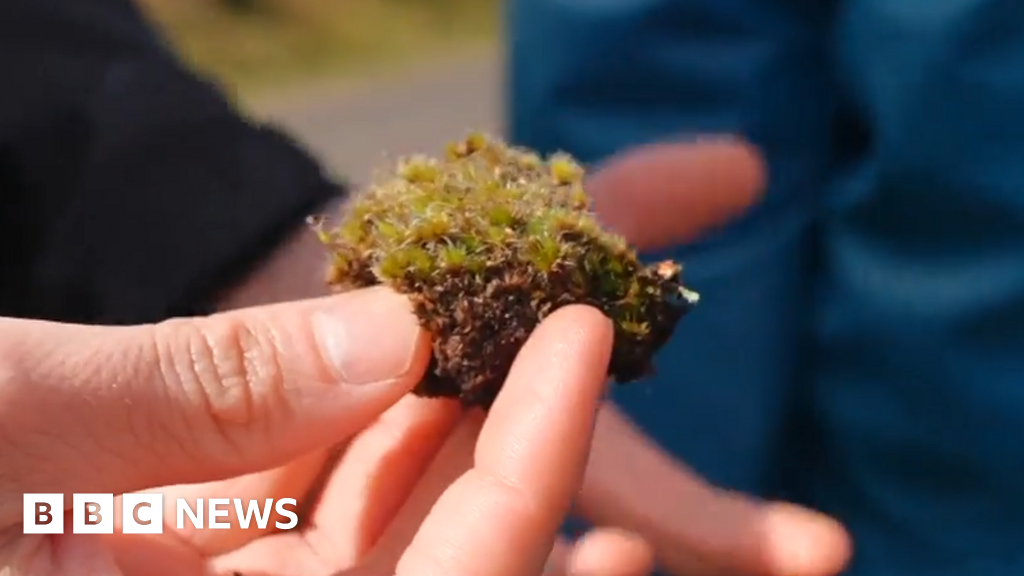
A new 'killer fungus' discovered in the UK targets invasive heath-star moss, offering hope for restoring native habitats. Will it turn the tide against invasives?
BBC Science
A Blue Origin rocket exploded during a test in Florida, prompting investigations. All personnel are safe. What does this mean for the future of space travel?
BBC Business