Discover how the scents of Egyptian mummies reveal secrets of ancient embalming practices and reflect significant cultural insights.
The Fascinating World of Mummification
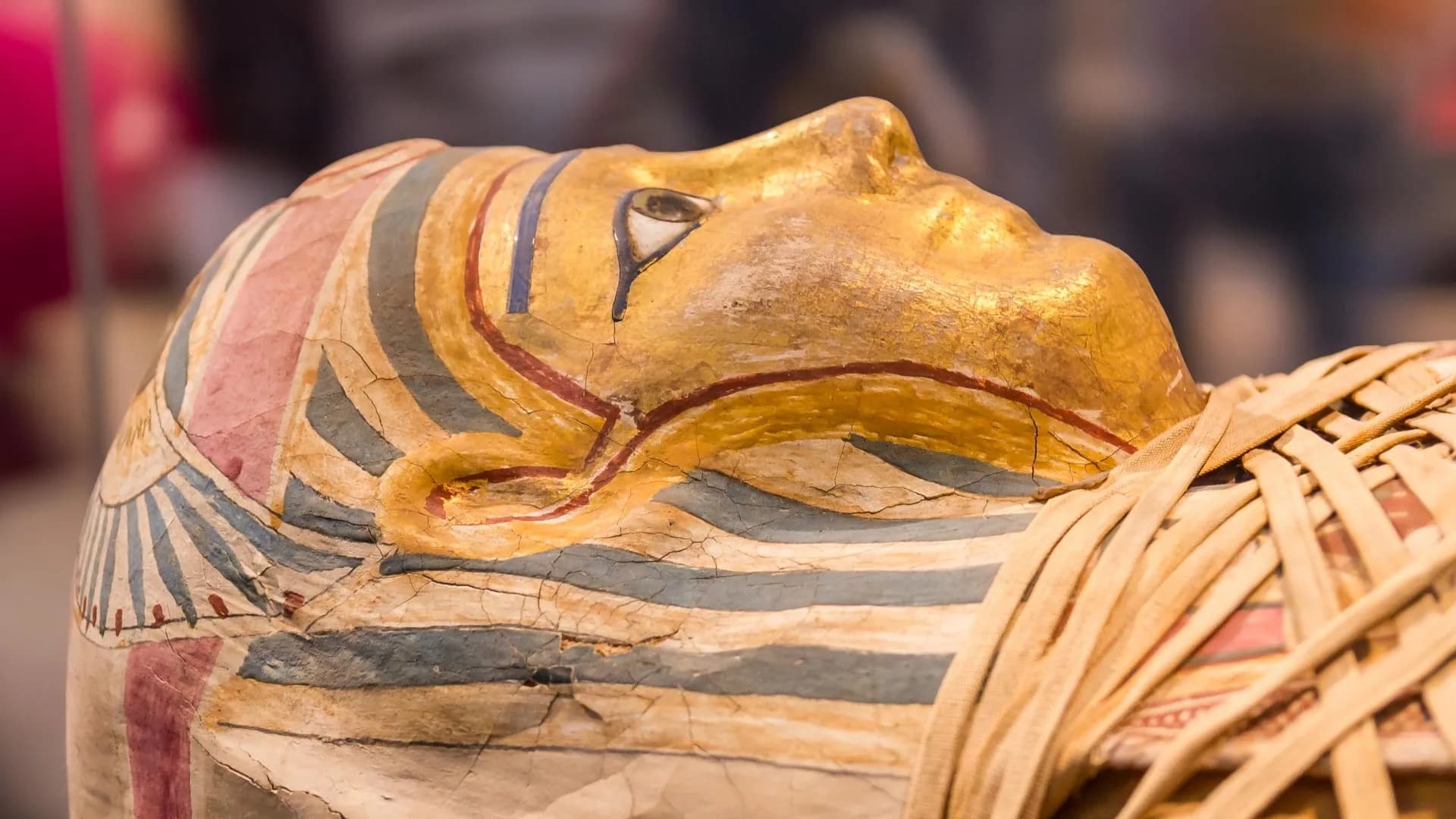
Mummification has captivated scholars and scientists for centuries, yet the intricacies of how ancient Egyptians preserved their deceased remain partially shrouded in mystery. Recent research has illuminated a new aspect of this ancient practice, revealing that the distinctive musty odor of mummies is not just a byproduct of decay but a complex blend of materials used during the embalming process. This discovery offers a tantalizing glimpse into the evolution of mummification rituals over two millennia.
Researchers at the University of Bristol, led by Dr. Wanyue Zhao, have made significant strides in understanding the nuances of Egyptian mummification. Their study highlights how the scents associated with mummies can serve as a historical record, providing insights into the substances and methods utilized by ancient embalmers. Dr. Zhao stated, "The findings mark a significant step forward in improving our understanding of Egyptian history and the fascinating ritual of mummification."
Innovative Methods to Uncover Mummy Secrets
The research team took an innovative approach to their investigation. Rather than relying on traditional destructive sampling techniques, they examined the air surrounding tiny mummy fragments, akin to the size of a peppercorn. This non-invasive method allows researchers to study these ancient artifacts without causing harm.
Utilizing advanced tools such as solid phase microextraction, gas chromatography, and high-resolution mass spectrometry, the scientists captured gases from the mummy fragments and analyzed them. This meticulous process enabled them to separate and study various components known as Volatile Organic Compounds (VOCs), revealing a wealth of information about the embalming techniques employed throughout Egyptian history.
A Rich Historical Timeline of Mummification
Published in the **Journal of Archaeological Science**, the study analyzed 35 samples from 19 mummies, spanning a remarkable timeline from **3200 BC to 395 AD**. In total, researchers identified **81 unique VOCs**, shedding light on the materials that were integral to the embalming process and the varying practices across different historical periods.
The analysis revealed that the chemical profiles of the mummy samples evolved significantly over time. Early mummies predominantly featured simpler mixtures of fats and oils, whereas later mummies contained more sophisticated combinations of imported resins and bitumen, indicating a shift towards more elaborate and costly embalming techniques. Dr. Zhao noted, "Such materials were more costly and required more specialized preparation, as the practice became more advanced."
The Chemistry Behind Embalming Ingredients
The chemical analysis categorized the identified compounds into four primary groups, each corresponding to specific embalming ingredients:
- **Fats and oils:** Generated aromatic compounds and short-chain fatty acids.
- **Beeswax:** Produced mono-carboxylic fatty acids and cinnamic compounds.
- **Plant resins:** Released aromatic compounds and sesquiterpenoids.
- **Bitumen:** Contributed naphthenic compounds.
These findings illustrate how sophisticated the embalming process became over time, reflecting not only advancements in technique but also changes in trade and resource availability.
Distinct Recipes for Different Body Parts
Interestingly, the research also uncovered variations in chemical signatures based on the body part sampled. Samples from the heads exhibited different chemical patterns compared to those taken from torsos. This suggests that embalmers employed specialized recipes tailored to specific anatomical regions, potentially enhancing preservation effectiveness. Dr. Zhao emphasized, "This is an area which needs further analysis and research to better understand what techniques were used and why."
A Breakthrough in Mummy Research
The implications of this study extend beyond mere curiosity; they provide a deeper comprehension of the embalming mixtures utilized by ancient Egyptians and how these techniques evolved over time. **Richard Evershed**, a co-author and Professor of Chemistry at the University of Bristol, remarked, "Our volatile analysis proved sensitive enough to detect residues at extremely low concentrations, offering a new lens through which to investigate these ancient practices."
Why It Matters: Insights into Ancient Egyptian Culture
This research is not just an academic exercise—it holds profound significance for our understanding of ancient Egyptian culture. Mummification was a critical part of their belief system, intricately linked to concepts of the afterlife and the preservation of the body for eternity. By unraveling the chemical composition of mummy scents, historians can gain insights into the social structures, trade networks, and religious practices of ancient Egypt.
Looking Ahead: Future Research Directions
As researchers continue to explore the olfactory landscape of mummies, several avenues of inquiry are likely to emerge. Future studies may delve deeper into the regional variations of embalming practices, the influence of trade routes on material availability, and how these practices reflect broader societal changes over time. The ongoing analysis of mummy scents promises to unveil even more secrets locked within the ancient past, enriching our knowledge of one of history's most fascinating civilizations.
In summary, the collaborative efforts of chemists and historians at the University of Bristol have opened a new chapter in mummy research, utilizing scents as a window into the past. With each discovery, we get closer to understanding the remarkable sophistication of ancient Egyptian mummification and its enduring legacy in human history.