

Image: The Hindu
Discover the captivating world of etymology—how words evolve, their meanings, and why understanding their origins is crucial in today's society.
GlipzoWords are the building blocks of communication, but they are much more than mere symbols. Each word carries a rich history, emotional weight, and cultural significance. Etymology is the study of these histories, tracing the origins and evolution of words through time. It reveals how language is not a static entity but a vibrant, shifting tapestry woven from diverse influences and contexts. In this article, we will explore the importance of etymology and how it shapes our understanding of language today.
Philosophically, a word transcends its simple definition. From ancient times to the present, words have been used to express thoughts, emotions, and ideas—each one packed with layers of meaning. For instance, consider the word "tree": in English, Malayalam, and Italian, the term varies yet represents the same object. This arbitrary relationship between a word and its meaning highlights the fluid nature of language.
Imagine a world where, overnight, the term "tree" is replaced by "duck." This hypothetical scenario underscores the arbitrary associations we make with words. Regardless of what we call it, the story of the word's evolution remains significant. This exploration is precisely what etymology offers.
Etymology is not merely an academic pursuit; it serves as a lens through which we can view the dynamic nature of language. Words morph over time, acquiring new forms, pronunciations, and meanings. A prime example is the word “nice”, which once connoted foolishness but has since evolved to represent kindness and politeness. Such transformations are vital to understanding how language reflects cultural shifts.
Etymologists act as historians, tracing the paths of words and their meanings. Their research encompasses:
To fully grasp the evolution of a word, one must consider its sociocultural context. Take the term “delulu,” a contemporary slang derived from fandom culture and internet language. Its meaning is intertwined with modern social dynamics, highlighting how language adapts to cultural trends.
Similarly, the evolution of “nice” reflects the rise of politeness in 16th Century Europe. Without this historical context, one might struggle to understand why words change meanings and how they impact communication in today's multicultural world.
The study of etymology goes beyond mere word origins; it enhances our comprehension of language's fluidity and precision. It enables us to appreciate the nuances in communication and the significance of word choice. In an increasingly globalized society, understanding these nuances is crucial for effective engagement across cultures.
While dictionaries provide a snapshot of etymological information, they often lack the depth and context needed to fully appreciate a word's journey. The richness of etymology lies in its ability to connect languages, cultures, and human experiences.
A prevalent misconception about etymology is the belief that the earliest meaning of a word is its "true" meaning. This notion is misleading. In reality, all meanings—both old and new—hold equal validity. Etymology reveals the tangled connections between languages, illustrating that no meaning is superior to another. Each interpretation offers a unique perspective on the word's significance.
As we continue to navigate a world rich with linguistic diversity, the study of etymology remains relevant. It invites us to explore the intricate relationships between humans and language, fostering a deeper understanding of our shared narratives. As words evolve, so too does our capacity for expression, connection, and understanding.
In the years to come, we can expect etymology to continue revealing the complexities of language. With the rise of digital communication and global interactions, new words and meanings will emerge, further enriching the tapestry of human conversation. As we embrace these changes, let us also celebrate the stories behind the words we use every day, recognizing that etymology is a vital key to unlocking our linguistic heritage.

Discover how the brain protein Menin could be the key to halting cognitive decline with new research that uncovers its vital role in aging.
Indian Express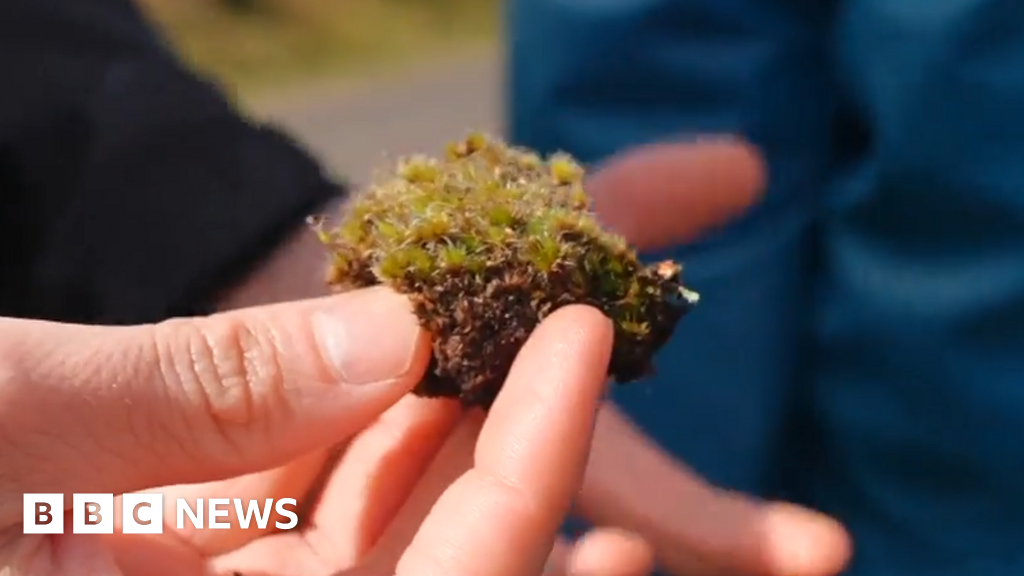
A new 'killer fungus' discovered in the UK targets invasive heath-star moss, offering hope for restoring native habitats. Will it turn the tide against invasives?
BBC Science
A Blue Origin rocket exploded during a test in Florida, prompting investigations. All personnel are safe. What does this mean for the future of space travel?
BBC Business