
Image: Mint (Business)
Tulsi Gabbard's Senate testimony reveals Iran's nuclear program remains inactive, challenging Trump's claims of an imminent threat. What does this mean for U.S.-Iran relations?
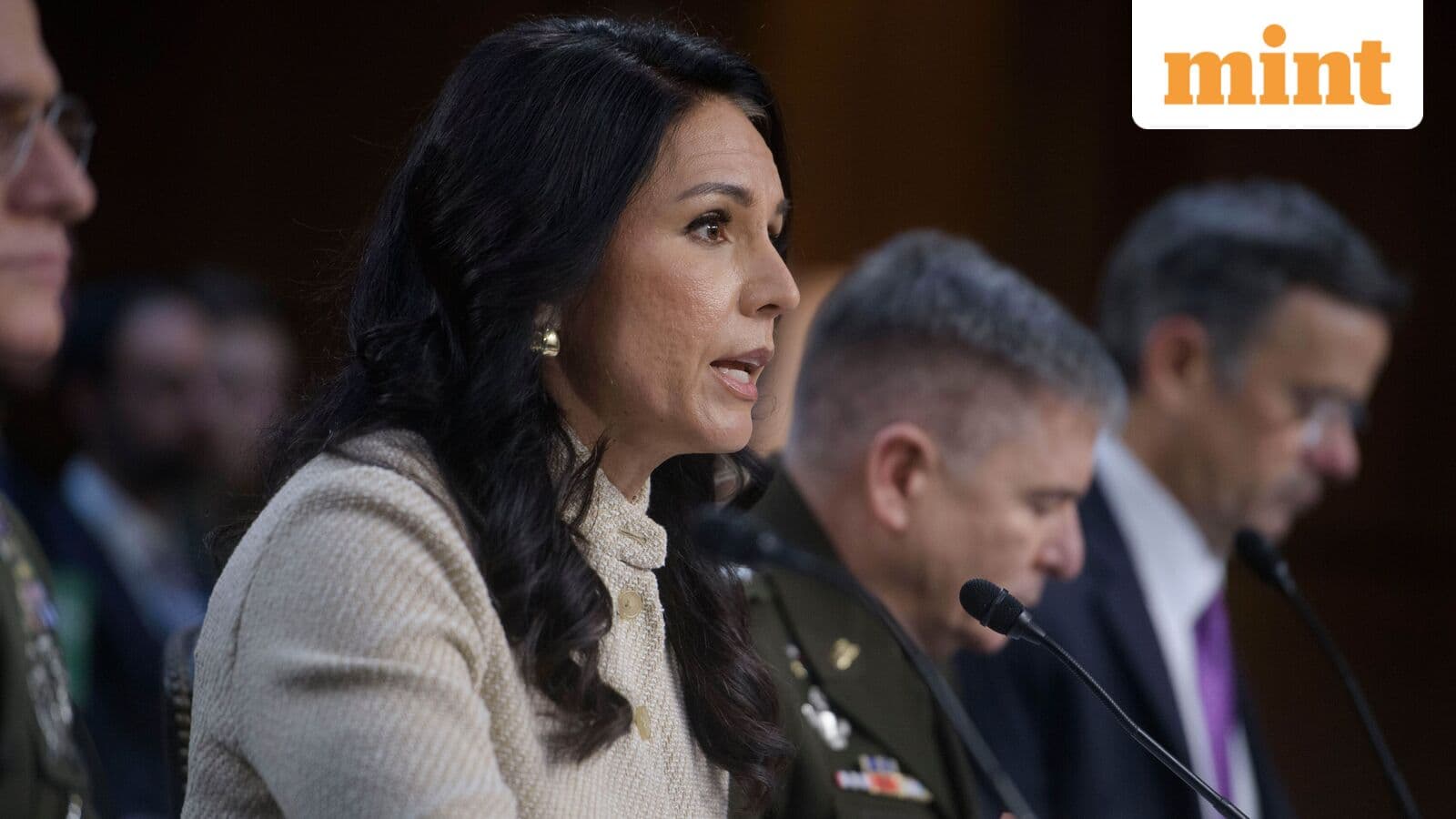
GlipzoIn a high-profile Senate hearing on March 18, Tulsi Gabbard, the U.S. Director of National Intelligence, made waves by revealing that Iran has not resumed its uranium enrichment program since the destruction of its facilities in June 2025. This statement raises significant questions regarding the narrative of an imminent threat from Iran that has been emphasized by former President Donald Trump.
During her testimony, Gabbard presented key insights but notably omitted a critical detail from her oral remarks: "As a result of Operation Midnight Hammer, Iran's nuclear enrichment program was obliterated. There has been no efforts since then to try to rebuild their enrichment capability." The absence of this statement on camera has drawn scrutiny, especially in light of the urgency conveyed by Trump in his assertions about Iran.
Senator Mark Warner (D-Va) pointedly questioned Gabbard regarding her omission, suggesting it might have been influenced by the political climate surrounding Trump’s claims. Gabbard explained, "I recognized that the time was running long, and I skipped through some of the portions of my oral delivered remarks." This admission indicates the fine balance Gabbard must maintain between delivering factual intelligence and navigating the political narrative.
Despite skipping this pivotal information, Gabbard did commend the ongoing military operation, Operation Epic Fury, which aims to address threats posed by Iran. She did not dispute her own assessment that Iranian nuclear facilities remain inactive, stating that entrances to these facilities have been sealed with cement.
In her written testimony, Gabbard outlined several critical points: - Prior to Operation Epic Fury, U.S. intelligence assessed that Iran was struggling to recover from severe damage to its nuclear infrastructure. - The International Atomic Energy Agency (IAEA) has denied Iran access to crucial facilities, indicating ongoing non-compliance with nuclear obligations. - Gabbard emphasized that despite major leadership losses, including the death of Supreme Leader Ayatollah Ali Khamenei, the Iranian regime remains functional but degraded.
Gabbard's assessment starkly contrasts with Trump’s assertions that Iran poses an imminent nuclear threat. These claims have been used to justify military actions, such as the February 28 U.S.-Israel strike against Iranian targets. Gabbard's senior aide, Joseph Kent, resigned just a day before her testimony, expressing concern that Trump was misled by Israel and various media regarding the actual threat level from Iran.
Democratic leaders echoed Kent's sentiments, critiquing Gabbard for failing to demonstrate that Iran posed any new threats beyond those that have existed since the 1979 Islamic Revolution. This ongoing tension highlights the complex interplay between intelligence, military actions, and political discourse.
In her testimony, Gabbard warned that if the Iranian regime manages to survive the current geopolitical turmoil, it may attempt to rebuild its military capabilities over a long period. She cautioned, "If a hostile regime survives, it will likely seek to begin a years-long effort to rebuild its military, missiles, and UAV forces." This statement suggests that the potential for future conflict remains, even if immediate threats have been mitigated.
The implications of Gabbard's revelations are significant, as they challenge the prevailing narrative of urgency surrounding Iran's nuclear ambitions. As U.S. policymakers grapple with these complexities, the focus will likely shift towards strengthening diplomatic efforts and assessing the long-term stability of the Iranian regime.
Understanding the nuances of Iran's nuclear capabilities and the accuracy of intelligence reports is crucial for shaping U.S. foreign policy. Gabbard's testimony could lead to a reevaluation of military strategies, potential diplomatic negotiations, and a reconsideration of the narratives surrounding Iran's threat level. As events unfold, observers will be keen to see how this impacts U.S.-Iran relations and broader Middle Eastern geopolitics.
As we move forward, several key factors will be critical to monitor: - The outcome of Operation Epic Fury and its implications on Iranian military capabilities. - Any shifts in U.S. foreign policy towards Iran as new intelligence emerges. - The response from the Iranian government and whether they take steps to rebuild their military forces. - Ongoing political ramifications within the U.S. as the narrative surrounding Iran continues to evolve.
Stay informed on these developments as they could significantly influence future diplomatic relations and security strategies in the region.

Tensions soar as the US and Iran engage in air strikes near the Strait of Hormuz, raising concerns over global oil supply and regional stability.
BBC World
Trump's international interventions face serious stalemates. What will this mean for U.S. foreign policy? Explore the critical challenges ahead.
Indian Express
Tehran denies resignation of President Masoud Pezeshkian amid claims of IRGC influence. What does this mean for Iran's political stability? Click to learn more!
Indian Express