
Image: BBC World
Japan has relaxed arms export rules, marking a major shift from post-WW2 pacifism amid rising regional tensions. What does this mean for global security?
GlipzoJapan has taken a historic step by relaxing long-standing arms export restrictions, signaling a significant pivot from its post-World War II pacifist stance. Announced on Tuesday, this move allows Japan to engage in arms sales to 17 countries with which it has defense agreements, including major allies like the United States and the United Kingdom. This policy change comes amid rising regional tensions and reflects a broader re-evaluation of Japan's defense strategy.
The newly unveiled regulations will lift previous restrictions that limited arms exports to just five categories: rescue, transport, warning, surveillance, and minesweeping. Under the revised framework, Japan can now sell lethal weapons, marking a pivotal shift in its military posture. However, the country will maintain a ban on arms sales to nations embroiled in conflict, with exceptions allowed for those with defense pacts with Japan under “special circumstances.”
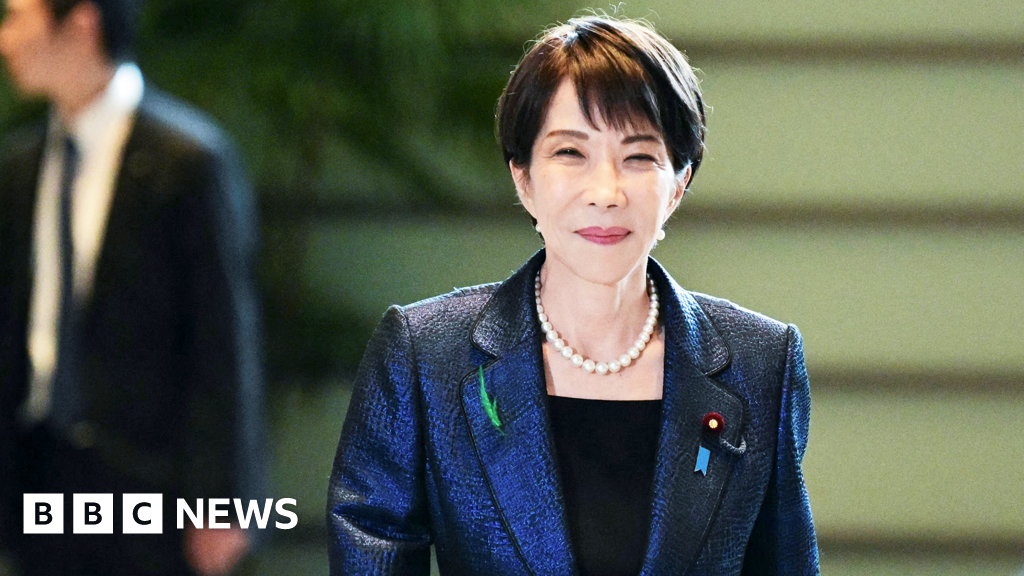
Japanese Prime Minister Sanae Takaichi expressed the need for this change, stating, "In an increasingly severe security environment, no single country can now protect its own peace and security alone." Takaichi reassured the public that this does not equate to abandoning Japan's identity as a peace-loving nation, emphasizing that the country will continue to uphold its fundamental principles despite this shift.
The implications of Japan's new arms export policy extend beyond its borders, affecting regional security dynamics. Chief Cabinet Secretary Minoru Kihara noted that the adjustments are aimed at bolstering Japan's security while enhancing regional stability. Yet, the announcement has drawn sharp criticism from China, which labeled the move as “reckless militarization.” China's foreign ministry has declared it would remain “highly vigilant” and opposed to Japan’s arms export initiative.
Adding to the tension, Japan's Self-Defence Forces recently participated in joint military exercises with the US and the Philippines, marking a shift from observer status to active combatants. This participation is perceived as a direct challenge to China's growing military presence in the region, particularly regarding disputed territories in the South China Sea and Taiwan.
Japan's pacifist policies have been ingrained in its national identity since the adoption of its constitution in 1947, which renounced war as a means to resolve international disputes. For decades, this commitment to pacifism has guided Japan's defense strategies.
Gradually, however, the shifting geopolitical landscape has prompted a reconsideration of these principles. In 2014, then Prime Minister Shinzo Abe initiated a relaxation of the blanket ban on military sales, allowing joint development of arms with allies. This was followed by Fumio Kishida's administration in 2023, which permitted the export of finished lethal weapons for the first time since World War II.
As discussions around Japan's defense policy continue, Prime Minister Sanae Takaichi has hinted at potential amendments to the pacifist constitution, specifically Article 9, which could fundamentally change Japan's approach to military engagement. Supporters of this change argue that Japan must adapt to a new security reality shaped by threats from nations like China and Russia.
In light of these developments, South Korea's foreign ministry has urged Japan to implement its defense policies in a manner that respects the spirit of the Peace Constitution while contributing to regional stability. The historical context of Japan's colonial past complicates these discussions, as South Korea remains wary of Japan's military ambitions.
Japan's shift in arms export policy is a critical development in the context of global security dynamics. As tensions escalate in the Asia-Pacific region, the focus will be on how Japan navigates these changes while maintaining its international relationships and adhering to its historic commitments to peace.
Key Factors to Watch: - Regional Reactions: How will neighboring countries, particularly China and South Korea, respond to Japan's new arms export policies? - Domestic Sentiment: Will the Japanese public support further military engagement and potential constitutional changes? - Future Collaborations: What new defense agreements or joint exercises can we expect with allies like the US and UK?
In conclusion, Japan’s decision to loosen arms export restrictions is not just about military sales; it represents a significant turning point in the nation’s approach to security, defense, and international relations. As Japan seeks to redefine its role on the global stage, all eyes will be on the implications of this historic shift.

Tensions soar as the US and Iran engage in air strikes near the Strait of Hormuz, raising concerns over global oil supply and regional stability.
BBC World
Trump's international interventions face serious stalemates. What will this mean for U.S. foreign policy? Explore the critical challenges ahead.
Indian Express
Tehran denies resignation of President Masoud Pezeshkian amid claims of IRGC influence. What does this mean for Iran's political stability? Click to learn more!
Indian Express