
Image: BBC World
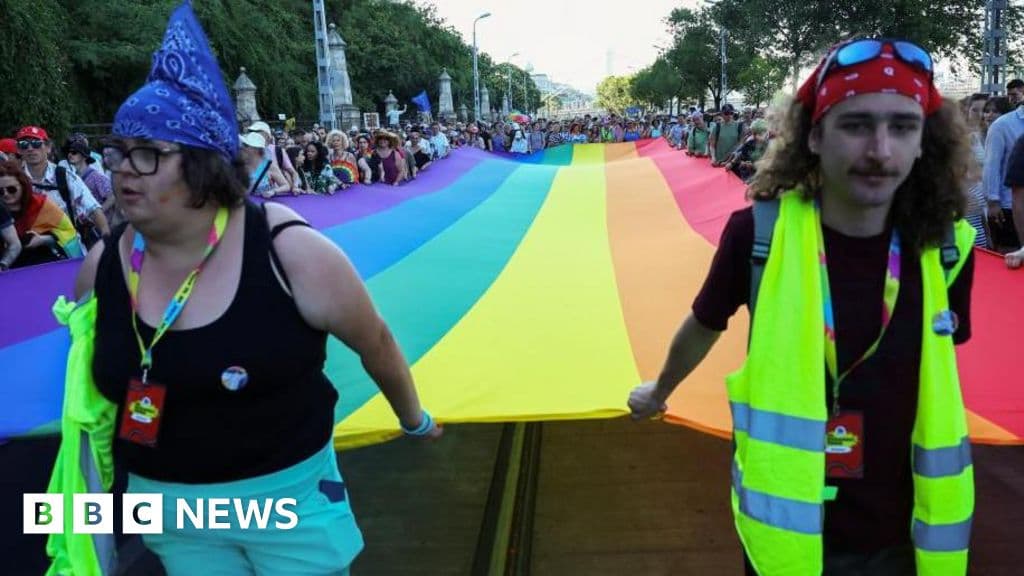
The EU's top court rules Hungary's anti-LGBTQ laws violate EU values, marking a pivotal moment for LGBTQ rights. What’s next for Hungary’s new leadership?
GlipzoThe controversial laws, introduced by Prime Minister Viktor Orbán's administration in 2021, aim to prohibit the purported promotion of homosexuality and gender change to minors. Orbán's government justified this legislation by framing it as a measure to protect children, but the ECJ found that these laws infringe on fundamental rights established by the EU.
The ECJ's findings indicate profound implications for the rights of individuals in Hungary, especially those who identify as LGBTQ. The court concluded that the laws stigmatised and marginalised transgender individuals and those who do not identify as heterosexual, dangerously associating them with individuals convicted of pedophilia. This stigmatization contradicts the essence of a society founded on pluralism and respect.
Magyar's party holds a two-thirds majority in the National Assembly, granting it significant power to repeal the controversial laws. Additionally, he aims to mend Hungary's strained relationship with the EU and unlock billions of euros in funding that have been withheld due to rule-of-law violations.
Katja Štefanec Gärtner, a representative from the LGBTQ rights group Ilga-Europe, has urged Magyar to prioritize the repeal of the discriminatory legislation within his first 100 days in office, reinforcing the need for immediate action.
Morijn points out that Hungary's situation exemplifies a critical test for the EU's commitment to upholding its foundational values. The ruling serves as a reminder that human rights cannot be negotiated away, emphasizing that 10% of the population identifying as LGBTQ is a natural part of society, deserving of respect and protection.
Observers will be watching closely to see if Magyar's government will act swiftly to dismantle the previous administration's laws and foster an environment of inclusivity. The response from LGBTQ advocacy groups and the EU will also be critical in shaping Hungary's path forward.
In conclusion, the ECJ ruling stands as a pivotal moment not only for Hungary but for the entire EU, sending a strong message that discrimination has no place in a community that values equality and human rights. As nations navigate the complexities of governance and social justice, this ruling will likely reverberate through legislative halls across Europe.

Tensions soar as the US and Iran engage in air strikes near the Strait of Hormuz, raising concerns over global oil supply and regional stability.
BBC World
Trump's international interventions face serious stalemates. What will this mean for U.S. foreign policy? Explore the critical challenges ahead.
Indian Express
Tehran denies resignation of President Masoud Pezeshkian amid claims of IRGC influence. What does this mean for Iran's political stability? Click to learn more!
Indian Express