
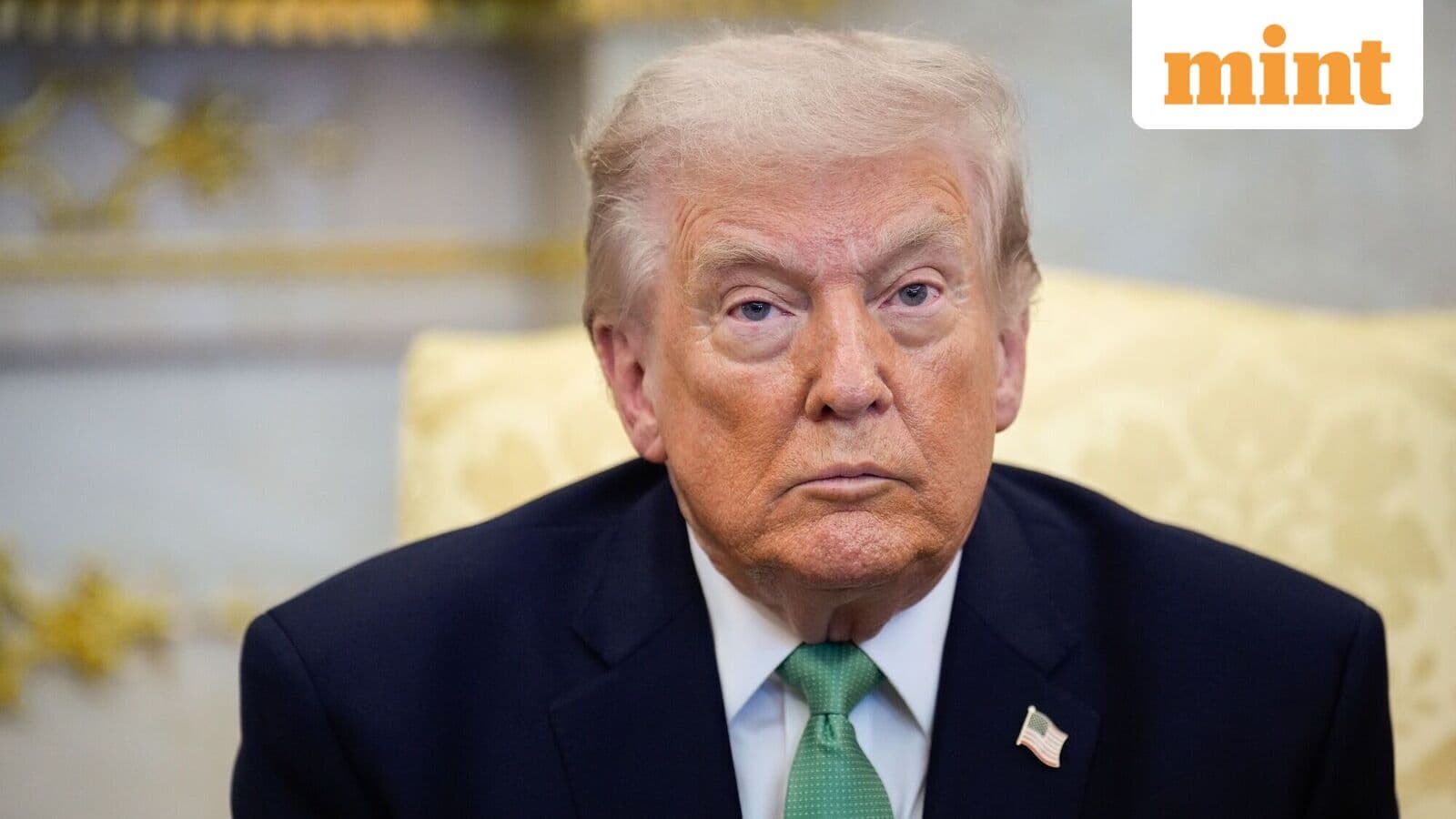
Image: Mint (Business)
Trump's attempts to rally military support against Iran face widespread rejection from allies, including Spain. What does this mean for U.S. foreign policy?
GlipzoPresident Donald Trump is encountering significant resistance from global allies in his attempts to rally support for military actions against Iran. Since the onset of the recent Middle East conflict, marked by joint strikes from the United States and Israel on February 28, 2023, Trump's calls for unified action have largely been met with indifference or outright refusal. This situation raises critical questions about the future of U.S. foreign policy and military alliances.
In a striking move, Spain has explicitly rejected Trump’s request to utilize its military bases for potential attacks on Iran. Spanish Foreign Minister José Manuel Albares made it abundantly clear that the bases would not be available for any actions that deviate from existing agreements with the U.S. or the guidelines of the United Nations. Albares described the U.S. and Israel's military maneuvers as “unjustified and dangerous,” signaling a firm stance from Madrid against further escalation in the region.
Trump's frustration was palpable, as he threatened to sever trade ties with Spain in retaliation. “We don't want anything to do with Spain,” he stated, implying that he could halt all business dealings with the country. After these comments, Karoline Leavitt, a White House spokesperson, claimed that Spain had reconsidered its position, which Albares swiftly countered by reaffirming Spain's original stance.
Despite Trump's insistence on international cooperation to secure the Strait of Hormuz, a key channel for global oil shipments, many allied nations have declined to participate in military missions. Countries including Germany, Italy, and the United Kingdom have all publicly rejected the notion of sending warships to the region, emphasizing the risks of being drawn into what could escalate into a broader conflict.
UK Labour Party Leader Keir Starmer reiterated, “We will not be drawn into the wider war,” reinforcing the sentiment echoed by other European leaders. German Defence Minister Boris Pistorius stated, “This is not our war, we have not started it,” further distancing Germany from any involvement.
The widespread rejection of Trump's calls for support is not just a diplomatic setback; it also highlights a potential shift in international relations. Countries are increasingly wary of being entangled in U.S.-led military endeavors, especially when the legal and moral justifications for such actions are called into question.
The implications of this trend could be profound. For one, it raises the stakes for U.S. foreign policy, which may now require a reevaluation of its approach to alliances and military interventions. French President Emmanuel Macron has suggested that France might consider joining escort missions in the Strait of Hormuz, but only when the situation is deemed more stable, indicating a cautious approach among allies.
As the geopolitical landscape evolves, several critical factors will shape the future of U.S. relations with its allies and its approach to Iran: - Continued Diplomatic Efforts: Will Trump and his administration seek new strategies to engage allies, or will they double down on military threats? - Public Sentiment: How will the American public respond to potential escalations, especially if allies continue to distance themselves? - Regional Stability: The situation in the Middle East remains volatile; any changes could prompt shifts in how countries respond to U.S. requests for military assistance. - Long-term Alliances: Will this episode strain long-standing relationships with key NATO allies?
In conclusion, Trump's challenges in securing support from global allies reflect a significant moment in international relations, where unilateral military actions face increasing scrutiny. The outcomes of these events are likely to reverberate across diplomatic channels and military strategies in the coming months.

Tensions soar as the US and Iran engage in air strikes near the Strait of Hormuz, raising concerns over global oil supply and regional stability.
BBC World
Trump's international interventions face serious stalemates. What will this mean for U.S. foreign policy? Explore the critical challenges ahead.
Indian Express
Tehran denies resignation of President Masoud Pezeshkian amid claims of IRGC influence. What does this mean for Iran's political stability? Click to learn more!
Indian Express