
Image: BBC World
Indonesia's new law recognizes domestic workers' rights after 22 years. Discover how this legislative change impacts millions and what comes next.
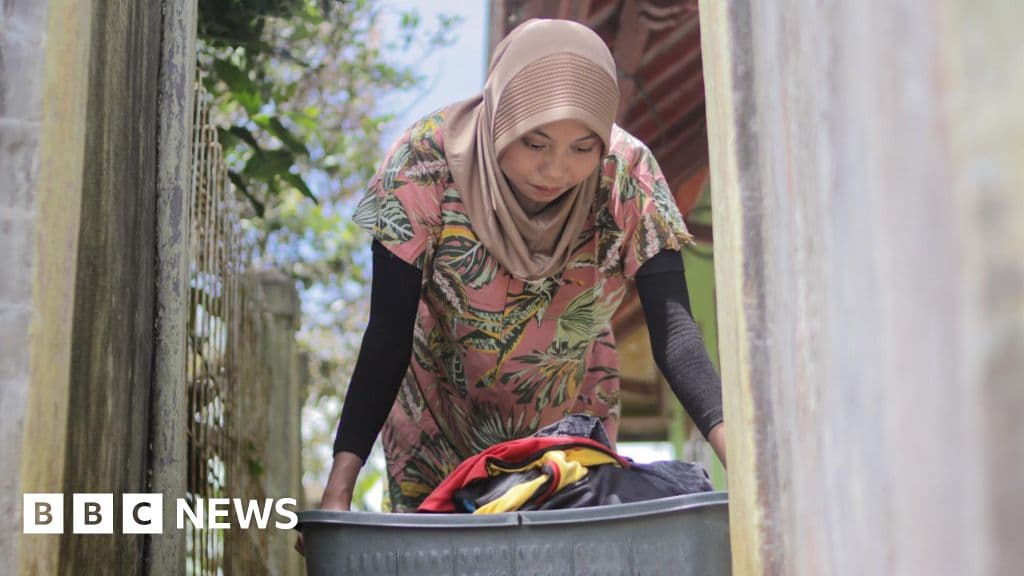
GlipzoThe new law categorizes domestic workers as legitimate employees, granting them a range of essential rights that were previously denied. Under the Domestic Workers Protection Law, these individuals are now entitled to health insurance, mandatory rest days, and pensions. Furthermore, the legislation prohibits placement agencies from enforcing wage deductions and bans the hiring of children under the age of 18 for domestic work.
The Domestic Workers Protection Law was initially introduced in 2004, but its progress faced numerous obstacles, leading to years of stagnation. After a long hiatus, discussions were revived in 2020, culminating in this critical legislative victory.
Despite the law's passage, the journey is far from over. Lita Anggraini, from the Jala PRT rights group, highlighted the need for public education campaigns to inform employers about their new responsibilities towards domestic workers. This is crucial for ensuring that the rights granted under the law are effectively implemented and respected.
Jumiyem, a domestic worker from Yogyakarta, expressed hope and relief, saying, "We've been longing for this [law], and now we can feel it." Her words reflect a collective sigh of relief among many who have fought tirelessly for these rights.
The need for awareness and education is paramount. Employers must understand their roles and responsibilities under the new law, while domestic workers themselves need access to information about their rights. This dual approach will be vital in fostering a culture of respect and compliance.
As this evolving situation unfolds, stakeholders, including rights groups, employers, and government officials, must work collaboratively to ensure the law's success. The fight for justice, dignity, and equality continues, but with this law, hope shines brighter for millions of domestic workers in Indonesia.
In conclusion, the passage of the Domestic Workers Protection Law is a historic step forward. The road ahead will require ongoing vigilance and advocacy, but it is a momentous victory that will resonate for generations to come.

Tensions soar as the US and Iran engage in air strikes near the Strait of Hormuz, raising concerns over global oil supply and regional stability.
BBC World
Trump's international interventions face serious stalemates. What will this mean for U.S. foreign policy? Explore the critical challenges ahead.
Indian Express
Tehran denies resignation of President Masoud Pezeshkian amid claims of IRGC influence. What does this mean for Iran's political stability? Click to learn more!
Indian Express