
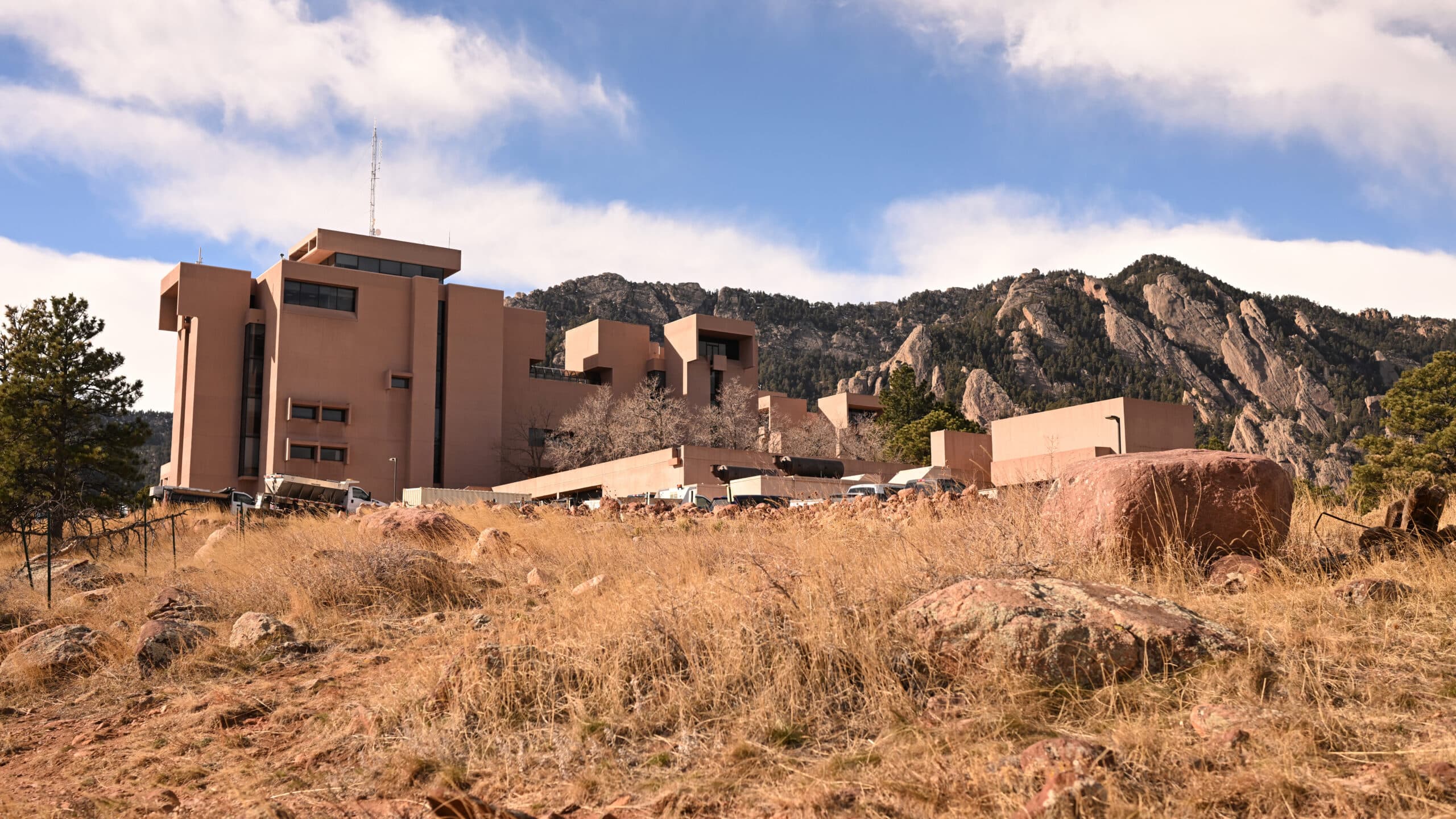
Image: Ars Technica
A coalition sues the Trump administration over plans to dismantle NCAR, highlighting political motivations and legal violations. Discover why this matters.
GlipzoOn Monday, a significant legal challenge emerged against the Trump administration, as a coalition responsible for overseeing the National Center for Atmospheric Research (NCAR) filed a lawsuit aimed at halting plans to dismantle this critical institution. Located in Boulder, Colorado, NCAR plays an essential role in atmospheric research, providing a collaborative environment for scientists dedicated to studying various aspects of our atmosphere, including weather forecasting, climate change, and the effects of space weather.
For decades, NCAR has been a cornerstone of atmospheric science in the United States, attracting leading academic researchers and facilitating groundbreaking studies. The center is equipped with advanced resources such as research aircraft and a supercomputing center, which are vital for running complex climate models. The University Corporation for Atmospheric Research (UCAR), a nonprofit organization representing over 130 educational institutions, manages NCAR and supports its research initiatives by securing funding and providing workspace for researchers, including graduate students and post-doctoral fellows.
However, the future of NCAR has been thrown into uncertainty following remarks made in December by the head of the Office of Management and Budget, who labeled the center as “woke” and described it as “one of the largest sources of climate alarmism in the country.” This critique was followed by plans to dismantle the institution, igniting concern among researchers who rely on NCAR’s resources for their work.
The lawsuit filed by UCAR not only seeks to block the planned breakup of NCAR, but it also highlights allegations of political retaliation. The complaint asserts that the Trump administration's actions are influenced by personal grievances against Colorado's Governor and the state itself. This has raised red flags about the motivations behind the push to dismantle NCAR, sparking fears that political agendas are taking precedence over scientific integrity.
The legal action targets several key federal agencies that significantly contribute to NCAR’s funding, including the Department of Commerce, the National Oceanic and Atmospheric Administration (NOAA), and the National Science Foundation (NSF). The lawsuit accuses these entities of violating the Administrative Procedures Act by failing to provide a clear rationale for their actions, as well as infringing upon First Amendment rights by prohibiting discussions about the center's closure.
UCAR's lawsuit outlines two primary themes that resonate with previous legal actions against the Trump administration: - Lack of Legal Compliance: The administration is accused of bypassing necessary legal protocols when making significant policy changes. The lawsuit points out that NCAR operates under a signed cooperative agreement that does not permit the transfer of its operations to another organization. - Retaliation Evidence: The suit brings to light a social media history that suggests the administration's actions may stem from personal vendettas rather than objective policy decisions.
The suit further highlights the contradiction in governmental actions, noting that while agencies claimed NCAR’s operations were misaligned with current goals, they continued to renew and expand research contracts shortly thereafter.
The outcome of this lawsuit could have far-reaching implications for atmospheric research in the United States and beyond. NCAR is widely recognized as a one-of-a-kind facility that has significantly influenced both national and global atmospheric science. The potential dismantling of such a resource raises concerns about the future of research funding, scientific collaboration, and the overall integrity of scientific inquiry in the face of political pressures.
As researchers rally to protect NCAR, they emphasize the center's critical role in addressing climate change and enhancing weather forecasting capabilities. The lawsuit underscores the necessity of maintaining a robust scientific community that is free from political influence, ensuring that research remains objective and focused on the paramount challenges facing our planet.
As the legal proceedings unfold, eyes will be on the federal courts to see how they respond to this significant challenge to the Trump administration’s plans. Will the court side with the researchers, or will the administration’s efforts to reshape atmospheric research prevail? Additionally, the broader implications of this case may set a precedent for how scientific institutions are treated under future administrations. Researchers and advocates for climate science will be closely monitoring developments, as the stakes are high not just for NCAR, but for the future of scientific research in the United States.
In conclusion, the lawsuit against the Trump administration's plans to dismantle NCAR is not just a legal battle; it represents a critical moment for the future of atmospheric research and climate science. As this case progresses, the scientific community remains hopeful for a resolution that prioritizes research integrity and the advancement of knowledge crucial for addressing climate challenges.

Discover how the brain protein Menin could be the key to halting cognitive decline with new research that uncovers its vital role in aging.
Indian Express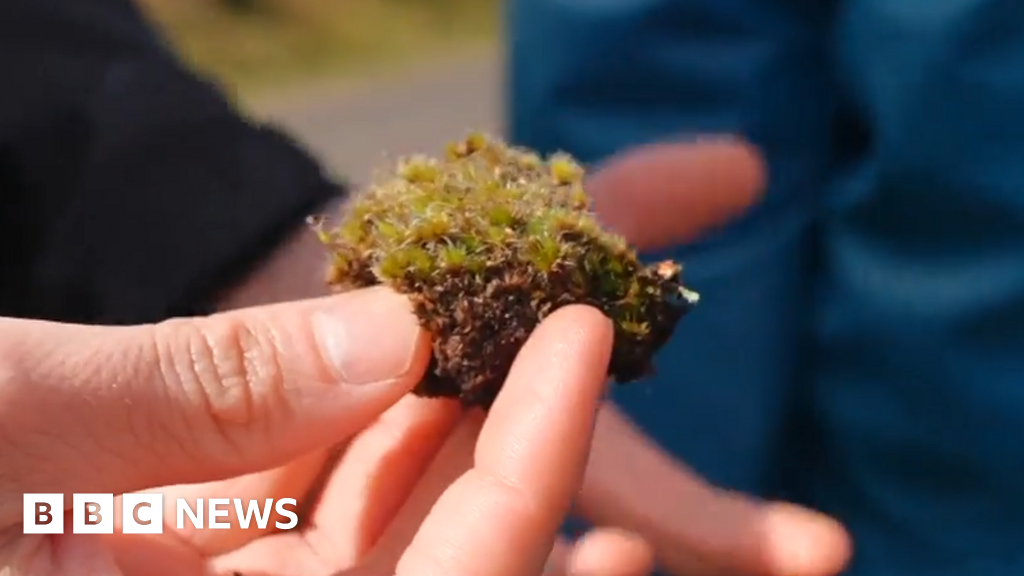
A new 'killer fungus' discovered in the UK targets invasive heath-star moss, offering hope for restoring native habitats. Will it turn the tide against invasives?
BBC Science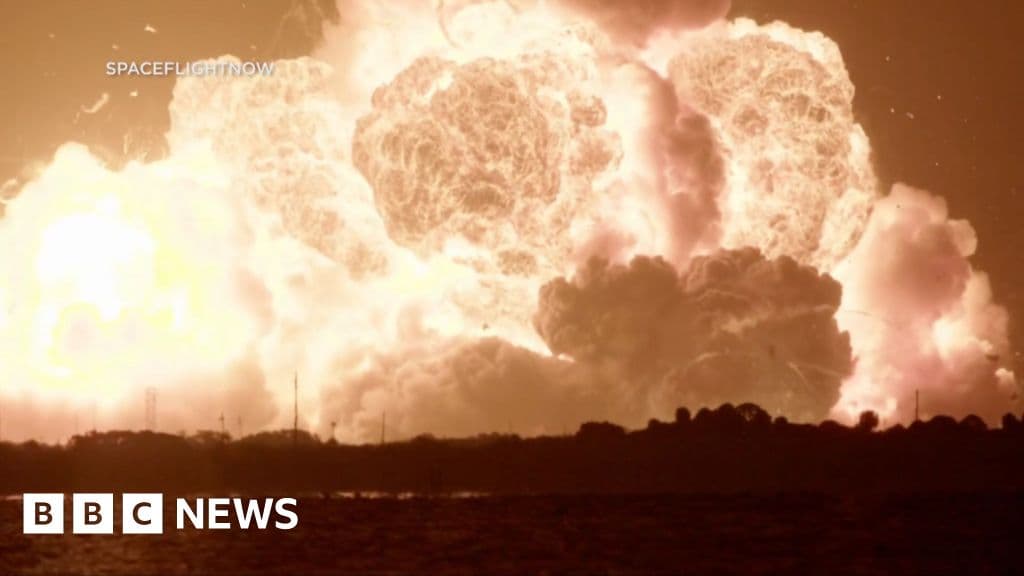
A Blue Origin rocket exploded during a test in Florida, prompting investigations. All personnel are safe. What does this mean for the future of space travel?
BBC Business