
Image: Mint (Business)
Donald Trump criticizes Joe Kent over Iran threat remarks, emphasizing national security concerns and potential nuclear dangers. What does this mean for U.S. policy?
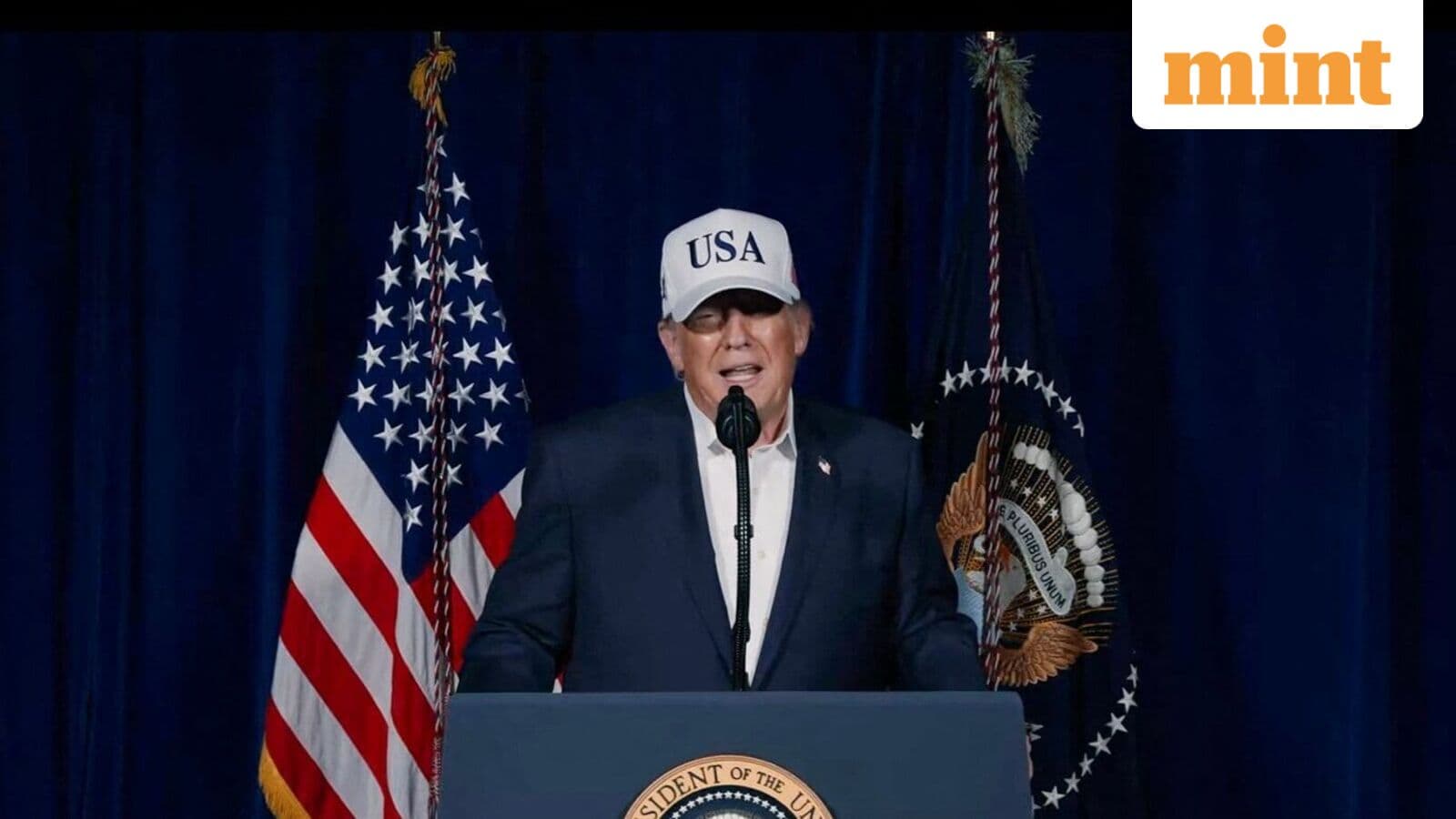
GlipzoIn a notable development on Tuesday, President Donald Trump reacted to the resignation of Joe Kent from his role as director of the National Counterterrorism Center. Speaking to reporters in the Oval Office, Trump described Kent's approach to national security as "very weak" and expressed relief at his departure. Trump remarked, "I always thought he was a nice guy," yet he emphasized, "It’s a good thing he is out."
Kent’s resignation has sparked significant discussion, particularly regarding his comments on Iran. He suggested that Iran does not represent an immediate threat, a stance that Trump vehemently opposes. According to Trump, Iran has long been a dangerous entity, and he criticized the notion that its threat level has diminished. He asserted that all nations understand the risks posed by Tehran but questioned their willingness to take action against it.
During his remarks, Trump highlighted the potential consequences of former President Barack Obama's nuclear deal with Iran. He claimed that had he not dismantled the agreement, the world could have faced a nuclear war just four years ago. Trump maintained that without decisive U.S. military actions against Iran's nuclear facilities, a catastrophic nuclear incident might have been inevitable.
Trump stated, "When somebody working with us says they didn’t believe Iran was a threat, we don’t want those people." This statement underscores the administration's focus on a hardline stance against Iran, emphasizing national security concerns.
Kent, who previously served as a military officer and held intelligence roles during Trump’s presidency, announced his resignation through a post on X. He expressed discomfort with the ongoing conflict involving Iran, stating, "I cannot in good conscience support the ongoing war in Iran. Iran posed no immediate threat to our nation..."
In a letter addressed to Trump, Kent accused senior Israeli officials and segments of the American media of orchestrating a misinformation campaign. He suggested that these efforts undermined Trump's America First policy. Kent drew parallels to the Iraq War, suggesting that similar tactics were employed to justify military action and resulted in significant American casualties. This claim adds another layer to the ongoing debate about the influences shaping U.S. foreign policy.
The conflict escalated on February 28, when the U.S. and Israel conducted strikes against Iranian targets, following a third round of negotiations between Washington and Tehran. These strikes purportedly killed several high-ranking officials, including former Supreme Leader Ayatollah Ali Khamenei. In retaliation, Iran launched counter-strikes targeting Israeli and U.S. military bases in the Persian Gulf region, further inflaming tensions in the Middle East.
As the conflict enters its 18th day, the potential for further escalation looms large. The Islamic Revolutionary Guard Corps (IRGC) has taken steps to close the Strait of Hormuz, a vital passageway for global oil shipments. This move has sent shockwaves through international energy markets, raising concerns over supply disruptions.
On March 9, oil prices surged to $120 per barrel before stabilizing. In response, the International Energy Agency (IEA) intervened by releasing 400 million barrels from its emergency reserves to mitigate the crisis. The situation remains precarious, as the ongoing war shows no signs of de-escalation.
Israel has continued its military operations, recently reporting the elimination of two senior Iranian figures, including Ali Larijani and Gholamreza Soleimani. These developments further complicate the already tense geopolitical landscape as both nations remain locked in a cycle of retaliation.
The ongoing conflict and the reactions from U.S. leaders highlight the fragile state of international relations, particularly in the Middle East. Trump's criticisms of Kent reflect a broader ideological divide regarding how to handle threats posed by Iran and the influence of foreign powers, such as Israel, in shaping U.S. military policy.
As tensions escalate, the implications for global security, particularly regarding nuclear proliferation and energy stability, are profound. Observers will need to monitor how U.S. foreign policy evolves in light of these internal and external pressures.
In the coming weeks, key points to monitor include: - U.S. Military Actions: Further military engagements in Iran and their consequences. - Political Responses: How lawmakers and political figures react to the ongoing war, especially in light of Kent's resignation. - International Relations: The impact of the conflict on U.S. relationships with allies and adversaries. - Energy Markets: Fluctuations in oil prices and their effect on the global economy.
The situation remains fluid, and the outcomes will significantly shape the future of U.S.-Iran relations and broader Middle Eastern dynamics.

Tensions soar as the US and Iran engage in air strikes near the Strait of Hormuz, raising concerns over global oil supply and regional stability.
BBC World
Trump's international interventions face serious stalemates. What will this mean for U.S. foreign policy? Explore the critical challenges ahead.
Indian Express
Tehran denies resignation of President Masoud Pezeshkian amid claims of IRGC influence. What does this mean for Iran's political stability? Click to learn more!
Indian Express