Glipzo
WorldTechnologyBusinessSportsEntertainmentScienceHealthPolitics
Glipzo
WorldTechnologyBusinessSportsEntertainmentScienceHealthPolitics
  1. Home
  2. /
  3. Science
  4. /
  5. Transforming Coastal Ecosystems with Floating Wetlands
Transforming Coastal Ecosystems with Floating Wetlands

Image: BBC Science

Science
Tuesday, April 14, 20264 min read

Transforming Coastal Ecosystems with Floating Wetlands

Discover how floating wetlands aim to restore vital coastal ecosystems in the UK, offering a sustainable solution to environmental degradation.

Glipzo News Desk|Source: BBC Science
Share
Glipzo

Key Highlights

  • Groundbreaking floating wetlands to restore UK coastal habitats.
  • Over 85% of vital marine vegetation has disappeared in 50 years.
  • Innovative rafts designed to enhance biodiversity and water quality.
  • Long-term monitoring to track environmental impact is underway.
  • Potential for widespread adoption across marine and freshwater areas.

In this article

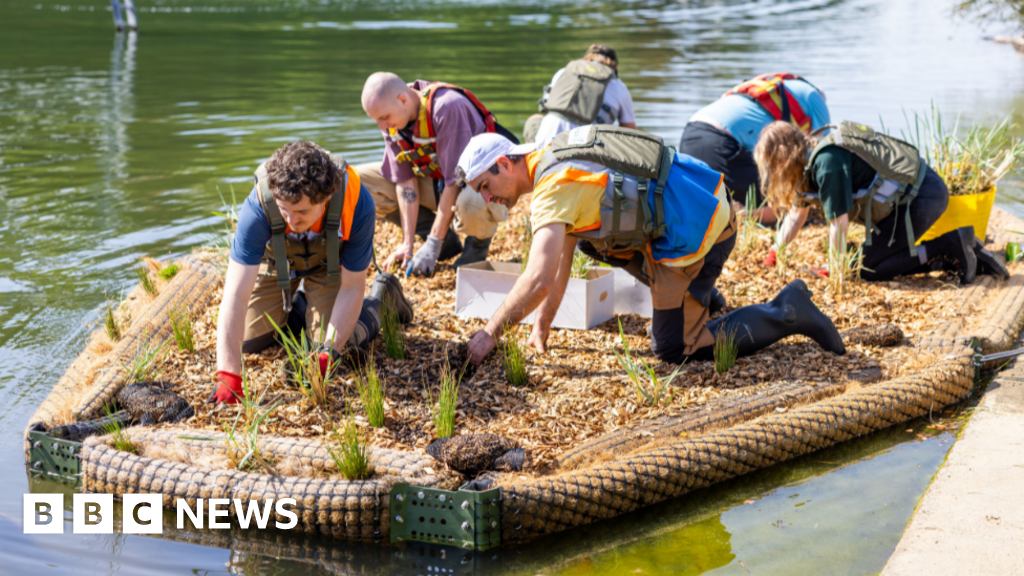
  • Innovative Floating Wetlands Set to Revitalize Coastal Areas A groundbreaking initiative is underway to rejuvenate degraded coastal environments across the UK through the introduction of innovative floating wetlands. This project, spearheaded by the **University of Portsmouth** in collaboration with **Southern Water**, aims to combat ecological decline by deploying specially engineered floating rafts in coastal waters. These rafts are designed to recreate vital green habitats in areas that have been overrun by concrete structures, such as seawalls and flood defenses.
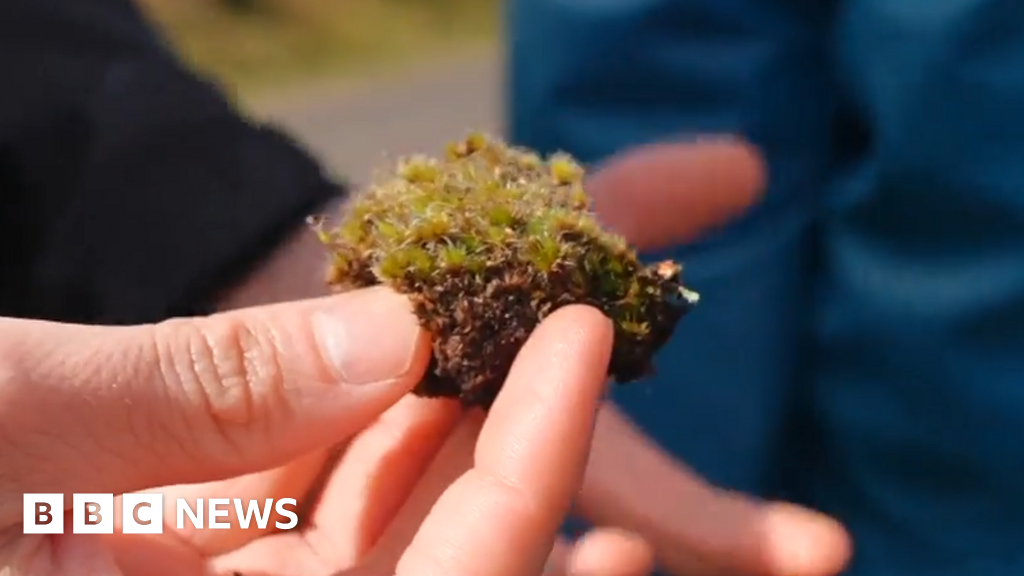
  • A Scalable Solution to Ecosystem Loss Researchers believe that floating wetlands could serve as a practical and scalable strategy to address the prevalent loss of coastal ecosystems. The floating rafts will host a diverse array of saltmarsh plants, with marine species being tested in a floating system that has seen limited trials in the past. This innovative approach not only enhances biodiversity but also provides multiple environmental benefits. One of the primary goals is to improve water quality by absorbing excess nutrients and pollutants.
  • Long-term Research and Monitoring The floating wetlands have been established at the **Southcoast Wake Park** in Portsmouth as part of a long-term research initiative. The project employs a before-and-after monitoring strategy to measure the environmental impact of the floating wetlands. Researchers will closely track changes in water quality, biodiversity, and the resilience of ecosystems over time, ensuring a comprehensive understanding of the wetlands' effectiveness.
  • Why This Matters for Coastal Conservation The floating wetlands project is a crucial response to the alarming decline of marine vegetation and coastal habitats. With increasing pressures from urban development, climate change, and pollution, coastal ecosystems are facing unprecedented threats. The loss of habitats not only diminishes biodiversity but also impacts the overall health of marine environments, which are essential for human livelihoods and ecological balance.
  • Looking Ahead: The Future of Coastal Ecosystems As the floating wetlands initiative progresses, it will be critical to monitor its outcomes and effectiveness. The data gathered from the project will inform future applications of this technology in other coastal regions and possibly inspire similar initiatives worldwide. If this pilot proves successful, it could lead to a widespread adoption of floating wetlands as a viable solution for ecological restoration.

Innovative Floating Wetlands Set to Revitalize Coastal Areas A groundbreaking initiative is underway to rejuvenate degraded coastal environments across the UK through the introduction of innovative floating wetlands. This project, spearheaded by the **University of Portsmouth** in collaboration with **Southern Water**, aims to combat ecological decline by deploying specially engineered floating rafts in coastal waters. These rafts are designed to recreate vital green habitats in areas that have been overrun by concrete structures, such as seawalls and flood defenses.

The introduction of floating wetlands represents a significant step towards restoring essential coastal ecosystems. According to Southern Water, if this initiative proves successful, the technology could potentially be utilized on a larger scale across both marine and freshwater settings in the UK. This follows alarming statistics indicating that over 85% of aquatic and marine vegetation—including crucial species like saltmarsh, seagrass, and kelp—has been lost in the last five decades.

A Scalable Solution to Ecosystem Loss Researchers believe that floating wetlands could serve as a practical and scalable strategy to address the prevalent loss of coastal ecosystems. The floating rafts will host a diverse array of saltmarsh plants, with marine species being tested in a floating system that has seen limited trials in the past. This innovative approach not only enhances biodiversity but also provides multiple environmental benefits. One of the primary goals is to improve water quality by absorbing excess nutrients and pollutants.

By effectively creating a floating saltmarsh, the project aims to offer vital habitats for fish and other marine life, thereby restoring important ecosystem functions that have been severely compromised in heavily modified coastal regions. Dr. Ian Hendy, a leader in marine sciences at the University of Portsmouth, emphasized the project's significance, stating, "This is an exciting step forward in how we think about restoring coastal ecosystems. By creating a floating saltmarsh, we are reintroducing habitat into spaces where it has been completely lost to development."

Long-term Research and Monitoring The floating wetlands have been established at the **Southcoast Wake Park** in Portsmouth as part of a long-term research initiative. The project employs a before-and-after monitoring strategy to measure the environmental impact of the floating wetlands. Researchers will closely track changes in water quality, biodiversity, and the resilience of ecosystems over time, ensuring a comprehensive understanding of the wetlands' effectiveness.

Joff Edevane, the environment and water quality lead for Southern Water, expressed optimism about the initiative, remarking, "This is a wonderful opportunity to pilot a floating wetlands approach to improving water quality and providing Natural Capital. The vision is to use this nature-based solution in protected areas in the future."

Why This Matters for Coastal Conservation The floating wetlands project is a crucial response to the alarming decline of marine vegetation and coastal habitats. With increasing pressures from urban development, climate change, and pollution, coastal ecosystems are facing unprecedented threats. The loss of habitats not only diminishes biodiversity but also impacts the overall health of marine environments, which are essential for human livelihoods and ecological balance.

The introduction of floating wetlands could signify a shift in how environmental restoration is approached, moving from traditional methods to more innovative, nature-based solutions. By implementing these systems, the project not only seeks to restore lost habitats but also aims to educate communities about the importance of coastal ecosystems and the need for their preservation.

Looking Ahead: The Future of Coastal Ecosystems As the floating wetlands initiative progresses, it will be critical to monitor its outcomes and effectiveness. The data gathered from the project will inform future applications of this technology in other coastal regions and possibly inspire similar initiatives worldwide. If this pilot proves successful, it could lead to a widespread adoption of floating wetlands as a viable solution for ecological restoration.

In conclusion, the floating wetlands project represents a promising step towards revitalizing our coastal ecosystems. The health of our oceans and coastlines is vital not only for marine life but for our planet's overall ecological integrity. By investing in innovative solutions and embracing nature-based approaches, we can foster a sustainable future for coastal environments.

Did you find this article useful? Share it!

Share

Related Articles

Critical Consultation for Golden Eagle Reintroduction in England
Science
Apr 14, 2026

Critical Consultation for Golden Eagle Reintroduction in England

Discover the critical consultation for the golden eagle reintroduction in northern England, aiming to restore this majestic species by 2027.

BBC Science
Surrey's Blue Tit Leads Birdwatch Amid National Decline
Science
Apr 14, 2026

Surrey's Blue Tit Leads Birdwatch Amid National Decline

Discover why Surrey's blue tit is the top bird in a new survey while national trends show alarming declines in other species. Find out what this means.

BBC Science
Historic Artemis II Moon Mission: A Journey Beyond Earth
Science
Apr 14, 2026

Historic Artemis II Moon Mission: A Journey Beyond Earth

Witness the groundbreaking Artemis II mission as astronauts embark on a historic journey to the Moon, pushing the boundaries of exploration and human spirit.

BBC Science

Categories

  • World
  • Technology
  • Business
  • Sports

More

  • Entertainment
  • Science
  • Health
  • Politics

Explore

  • Web Stories
  • About Us
  • Contact

Legal

  • Privacy Policy
  • Terms of Service

© 2026 Glipzo. All rights reserved.