
Image: BBC World
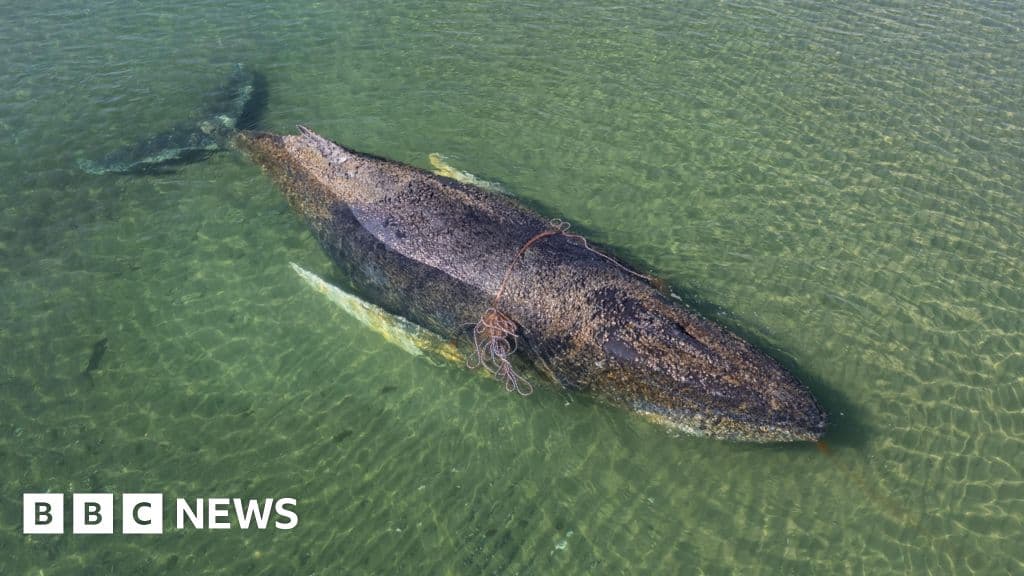
Discover the tragic fate of a rescued humpback whale found dead near Denmark after emotional rescue efforts in Germany. What does this mean for marine conservation?
GlipzoAfter weeks of rescue efforts, the whale was successfully freed and swam into the North Sea in early May, thanks to a privately funded endeavor led by two German entrepreneurs. The operation sparked considerable debate about the ethics and effectiveness of such interventions, with critics arguing that the rescue might have caused more harm than good for the distressed creature.
Despite the effort, skepticism surrounded the whale's chances of survival after its release. Wildlife groups, including the Whale and Dolphin Conservation, voiced concerns regarding the whale's health, noting skin damage and overall weakness from its prolonged entrapment in the Baltic Sea.
Despite confirming the carcass, the agency noted there were no immediate plans to remove it from the area or conduct a necropsy. They advised the public to avoid approaching the whale due to potential health risks, including diseases that could be transmitted to humans and the danger of explosion from gas buildup during decomposition.
Experts suggest that similar rescue missions should involve thorough assessments of the animal's health and the environment before proceeding. Till Backhaus, the environment minister from the northern state of Mecklenburg-Vorpommern, praised the operation as a model for future efforts in Germany, yet many conservationists remain cautious.
While some may view these rescue operations as heroic, they must be balanced with a realistic understanding of the challenges involved. The whale's struggle to survive highlights the fragility of marine ecosystems and the impact of human activities on these creatures. As we move forward, it is essential to develop more effective strategies that prioritize the well-being of marine life.
Additionally, there may be a renewed focus on public education regarding the importance of respecting marine habitats and the species that inhabit them. As conversations around wildlife conservation continue to evolve, this incident will likely serve as a touchstone for discussions on the ethics and efficacy of human intervention in nature.
In conclusion, the fate of Timmy serves as a tragic reminder of the delicate balance between human compassion and the realities of wildlife rehabilitation. As we reflect on this event, it is crucial to advocate for informed and sustainable practices in marine conservation to honor the lives of these magnificent creatures.

Discover how the brain protein Menin could be the key to halting cognitive decline with new research that uncovers its vital role in aging.
Indian Express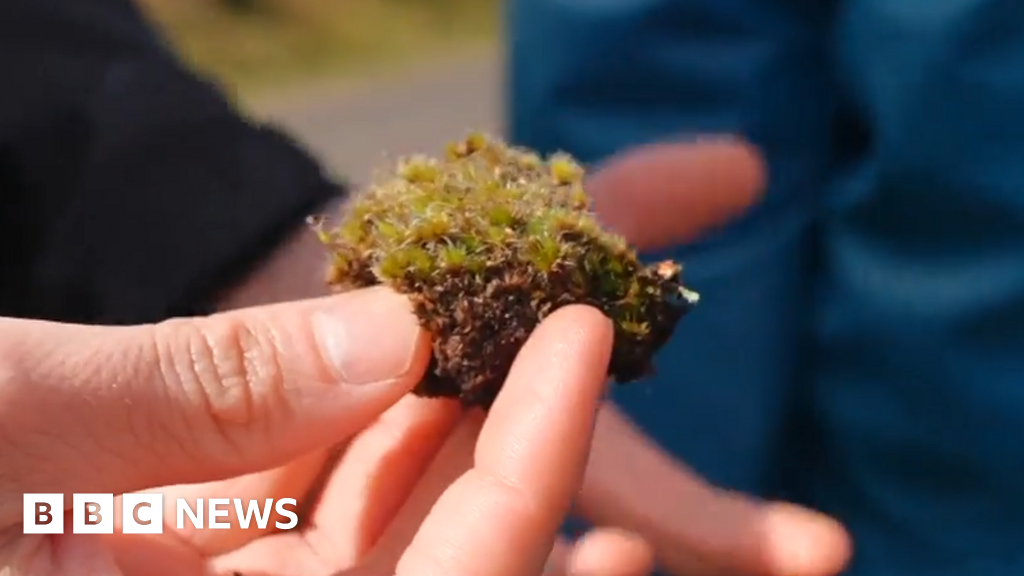
A new 'killer fungus' discovered in the UK targets invasive heath-star moss, offering hope for restoring native habitats. Will it turn the tide against invasives?
BBC Science
A Blue Origin rocket exploded during a test in Florida, prompting investigations. All personnel are safe. What does this mean for the future of space travel?
BBC Business