
Image: BBC Science
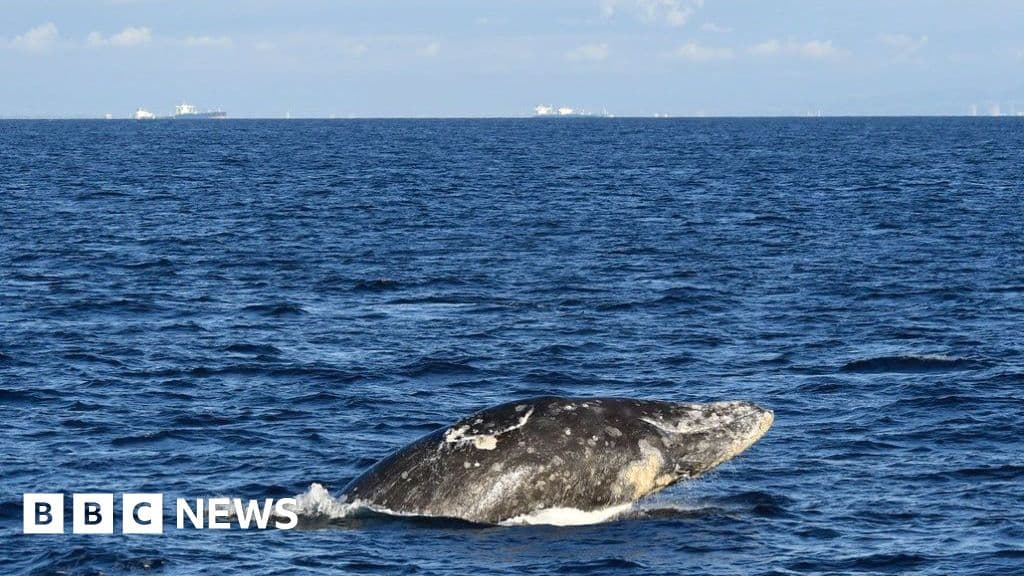
A young gray whale, dubbed Willapa Willy, has died after swimming 20 miles inland in Washington, highlighting critical food scarcity issues in their habitat.
GlipzoA young gray whale has been discovered dead after swimming 20 miles inland in the Willapa River, Washington state. The Cascadia Research Collective, a local scientific research group, confirmed the whale's death on Saturday, attributing the likely cause to hunger.
The organization announced on Facebook, "We are saddened to confirm that the whale seen in the Willapa River over the past few days is deceased." They are currently assessing the location's safety to conduct a thorough examination of the carcass. This unfortunate incident raises critical questions about the health of marine ecosystems and the challenges gray whales are currently facing.
The juvenile whale, affectionately named Willapa Willy by locals, was first sighted last Wednesday in the north fork of the river, approximately 145 miles southwest of Seattle. Observers noted that the whale, though thin, was acting normally, showing no visible signs of injury. Despite hopes from marine biologists that the whale would navigate back to the open ocean, it did not manage to do so.
John Calambokidis, a research biologist with the Cascadia Research Collective, provided insights into the whale's behavior: "When that happens, you often see gray whales in a more desperate search for new areas to feed," he explained. This highlights a significant issue for gray whales, who typically undertake long migrations north along the Pacific Coast to feast in the Arctic.
In recent years, gray whales inhabiting the eastern Pacific Ocean have faced alarming reductions in available food. Calambokidis noted that the Bering and Chukchi Seas off the coast of Alaska have seen diminished prey availability, posing serious threats to the whales' survival. He stated, "Gray whales are facing a major crisis, and the heart of it does seem to be feeding on their prey in the Arctic."
The challenges faced by gray whales are compounded by various dangers during their long migrations, including: - Vessel strikes - Entanglements in fishing gear - Limited social bonds, as these whales tend to travel alone, with long-term relationships being rare.
The plight of gray whales has become a focal point for ecotourism and whale watching along North America's West Coast. These magnificent creatures can grow to lengths of about 15 meters (49 feet) and can weigh near 40,000 kg (90,000 pounds), according to the National Marine Fisheries Service. However, their population is troublingly on the decline.
Earlier this month, two adult gray whales were found dead in the nearby Ocean Shores area. According to the Cascadia Research Collective, these adults, measuring 42 feet, showed signs of malnutrition, with one male exhibiting significant head trauma consistent with a ship strike.
The situation for gray whales is dire. The latest population count by NOAA Fisheries from winter 2025 indicates a continuing decline, with estimates suggesting a population of only 13,000. This is the lowest number recorded since the 1970s, raising urgent concerns among conservationists and researchers alike.
The tragic death of Willapa Willy serves as a stark reminder of the urgent conservation efforts required to protect gray whales and their habitats. The combination of food scarcity, human-related threats, and changing environmental conditions are converging to create a crisis for these marine mammals.
As climate change continues to impact ocean ecosystems, it becomes increasingly important to understand the challenges faced by whale populations. The loss of even one whale can have ripple effects on marine biodiversity, highlighting the interconnectedness of species within their habitats.
As researchers continue to monitor gray whale populations, attention will be focused on understanding the causes of food shortages and the impact of human activities on their migration routes.
In the coming months, it will be essential to keep a close eye on the gray whale population and the measures being implemented to safeguard their future. The fate of these majestic creatures hangs in the balance, and collective action is vital to ensure their survival in the face of adversity.

Discover how the brain protein Menin could be the key to halting cognitive decline with new research that uncovers its vital role in aging.
Indian Express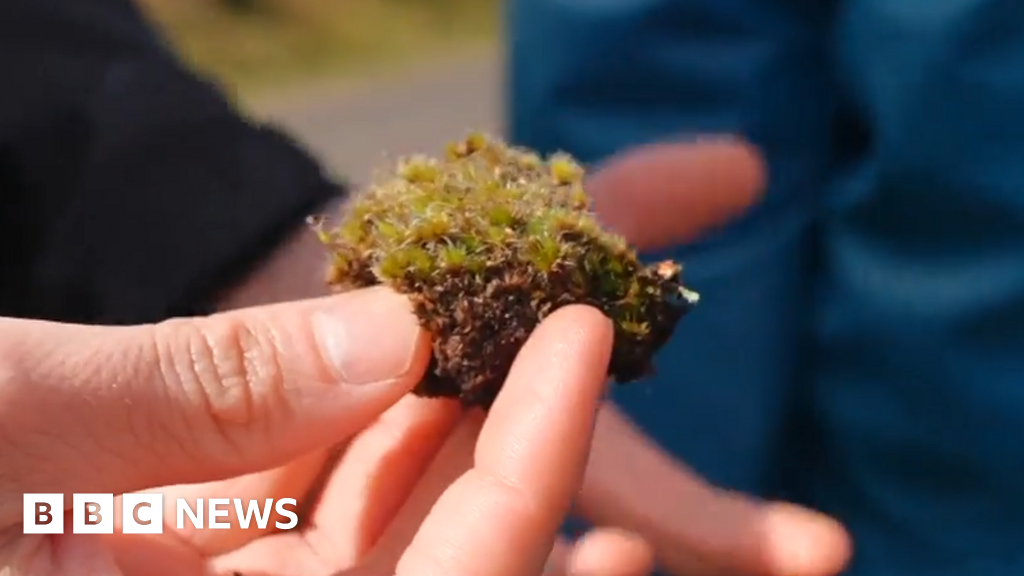
A new 'killer fungus' discovered in the UK targets invasive heath-star moss, offering hope for restoring native habitats. Will it turn the tide against invasives?
BBC Science
A Blue Origin rocket exploded during a test in Florida, prompting investigations. All personnel are safe. What does this mean for the future of space travel?
BBC Business