

Image: The Hindu
Explore the rich cultural significance of red ochre across ancient civilizations and its enduring role in rituals of life, death, and renewal.
GlipzoAs archaeologists have continued to explore this fascinating topic, similar ochre burials have been discovered globally, from Qafzeh in modern-day Israel to Sungir in Russia, and even Lake Mungo in Australia. Furthermore, the usage of ochre persists today in the ritualistic practices of the Himba community in Africa. According to evolutionary anthropologist Camilla Power, the decoration of bodies and clothing with red ochre is recognized as a structured ritual behavior, symbolizing pivotal life transitions like puberty and death—both of which are believed to usher the soul into an afterlife.
Ethnographic studies reveal that these ritual specialists frequently do not conform to traditional gender roles. For example: - Two-Spirit figures in many Indigenous North American cultures. - Siberian shamans who undergo symbolic death and rebirth during their initiation. - Hijra communities in parts of South Asia that historically took part in rites related to birth and fertility.
Such examples illustrate how red ochre and the rituals associated with it transcend mere physical substances, establishing profound social and spiritual connections.
This intricate web of relationships resonates with anthropologist Marcel Mauss's concept of total prestation, wherein societies intertwine economic, aesthetic, legal, and religious dimensions into a unified fabric of communal life. The act of transporting and utilizing red ochre thus becomes a shared cultural endeavor, reinforcing social bonds.
In the Hebrew Bible, the term ’adom (red) is etymologically linked to adam (human) and adamah (earth), emphasizing the interconnectedness of soil, humanity, and mortality. In ancient Chinese culture, the color vermilion was used to signify imperial gates and ritual seals, associated with life force and transformation. Roman literature recounts the use of red ochre during funeral rites and triumphal parades, while Mesoamerican codices illustrate red pigments as symbols of both sacrifice and renewal.
As we look toward the future, it is essential to consider how these ancient practices inform contemporary understandings of identity and community. The ongoing exploration of ochre usage across cultures may offer valuable lessons on the importance of collective rituals in fostering social cohesion. In a world increasingly defined by division, the shared legacy of red serves as a reminder of our interconnectedness and the enduring power of tradition to shape human experience.
As researchers delve deeper into the archaeological evidence and cultural significance of red ochre, we can expect to uncover even more about the rich tapestry of human history and the rituals that bind us together. Whether through art, ceremony, or modern interpretations of ancient practices, the legacy of red continues to resonate, inviting us to reflect on the thresholds we navigate in our own lives.

Discover how the brain protein Menin could be the key to halting cognitive decline with new research that uncovers its vital role in aging.
Indian Express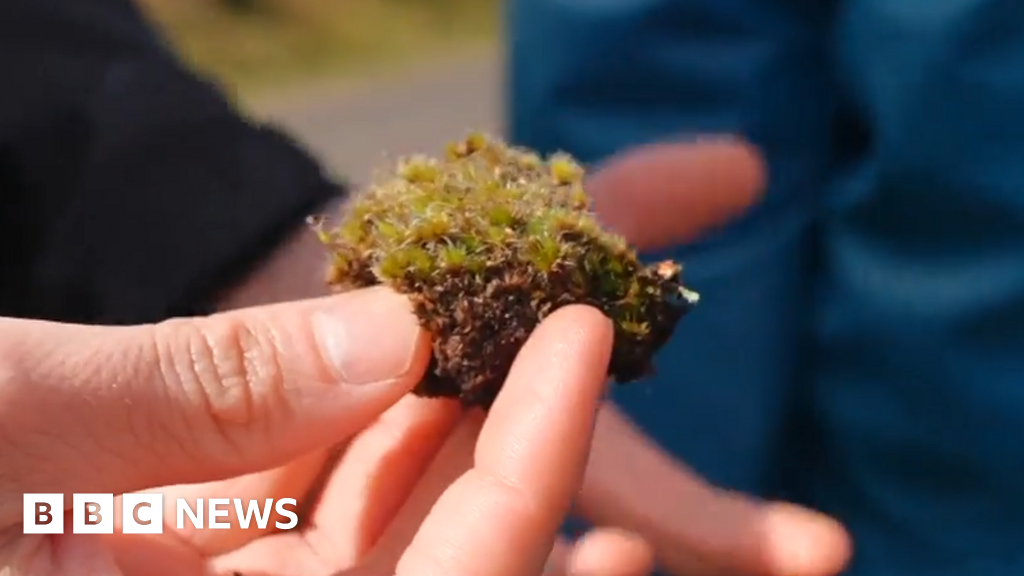
A new 'killer fungus' discovered in the UK targets invasive heath-star moss, offering hope for restoring native habitats. Will it turn the tide against invasives?
BBC Science
A Blue Origin rocket exploded during a test in Florida, prompting investigations. All personnel are safe. What does this mean for the future of space travel?
BBC Business