Glipzo
WorldTechnologyBusinessSportsEntertainmentScienceHealthPolitics
Glipzo
WorldTechnologyBusinessSportsEntertainmentScienceHealthPolitics
  1. Home
  2. /
  3. Science
  4. /
  5. Surrey's Blue Tit Leads Birdwatch Amid National Decline
Surrey's Blue Tit Leads Birdwatch Amid National Decline

Image: BBC Science

Science
Tuesday, April 14, 20264 min read

Surrey's Blue Tit Leads Birdwatch Amid National Decline

Discover why Surrey's blue tit is the top bird in a new survey while national trends show alarming declines in other species. Find out what this means.

Glipzo News Desk|Source: BBC Science
Share
Glipzo

Key Highlights

  • Surrey's blue tit outpaces national trends in birdwatch survey.
  • House sparrow remains the most common bird across the UK.
  • RSPB warns against summer bird feeding to combat disease.
  • Trichomonosis poses a serious threat to greenfinches and song thrushes.
  • Community involvement crucial for effective bird conservation strategies.

In this article

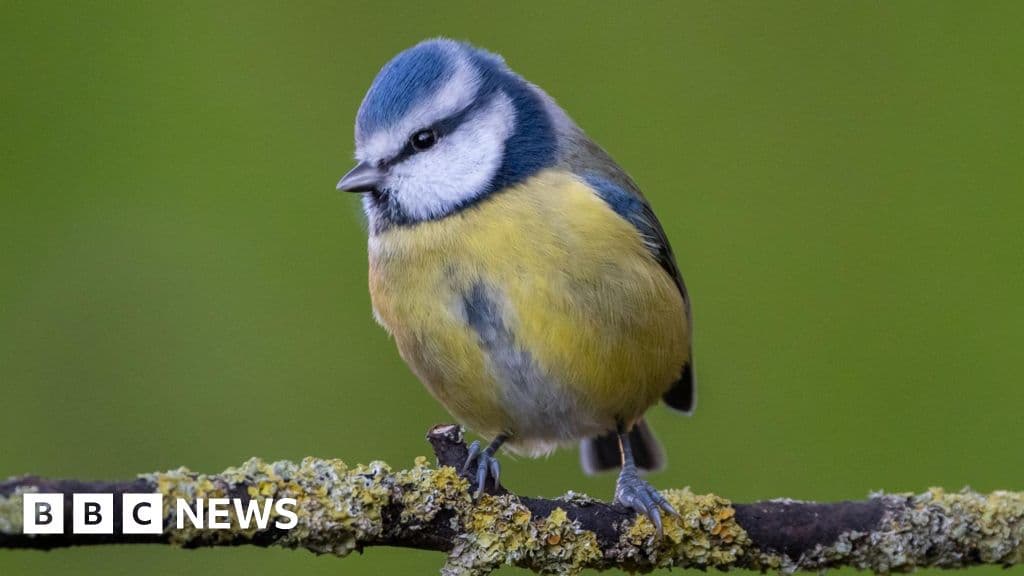
  • Blue Tit Surprises in Surrey Birdwatch Results In an intriguing twist to the annual birdwatching tradition, the **blue tit** has emerged as the most frequently observed bird in **Surrey**, defying the national trend where the **house sparrow** reigns supreme. According to the latest findings from the **Royal Society for the Protection of Birds (RSPB)**, this revelation highlights the unique avian populations of this region.
  • National Trends in Bird Populations The significance of these findings cannot be overstated, especially against the backdrop of a concerning decline in certain bird species. The **RSPB's** survey serves as a vital tool for conservationists, providing essential data that informs future action plans. **Martin Fowlee**, a spokesperson for the RSPB, emphasized the importance of understanding these trends for effective conservation efforts.
  • Understanding Trichomonosis and Its Impact **Trichomonosis** is a parasitic infection that primarily affects birds like greenfinches and chaffinches, hindering their ability to eat, drink, or breathe. The disease is transmitted through contaminated food and water sources, making the summer feeding habits of well-meaning bird enthusiasts a potential risk.
  • Local Birdwatch Results Highlight Regional Diversity The results from surrounding areas such as **Kent** and **West Sussex** echoed the national trend, with the **house sparrow**, **blue tit**, and **starling** remaining at the forefront. In **East Sussex**, the rankings shifted slightly, with the wood pigeon occupying a notable spot among the top three.
  • Why It Matters: Conservation Efforts and Public Awareness The decline of species such as the **song thrush** and **greenfinch** is alarming. The **RSPB** reports that these declines indicate broader ecological concerns that could affect various species. The data gathered from initiatives like the Big Garden Birdwatch informs ongoing conservation strategies and raises public awareness about the challenges faced by our feathered friends.
  • Looking Ahead: What’s Next for Bird Conservation? As we move forward, the focus will remain on the health of bird populations and the ecosystems they inhabit. With the RSPB urging the public to change their habits regarding bird feeding, it’s essential to consider how individual actions can lead to collective benefits for wildlife.

Blue Tit Surprises in Surrey Birdwatch Results In an intriguing twist to the annual birdwatching tradition, the **blue tit** has emerged as the most frequently observed bird in **Surrey**, defying the national trend where the **house sparrow** reigns supreme. According to the latest findings from the **Royal Society for the Protection of Birds (RSPB)**, this revelation highlights the unique avian populations of this region.

The RSPB's Big Garden Birdwatch, a long-standing initiative that has been ongoing since the late 1970s, revealed that while the house sparrow, blue tit, and starling topped the rankings nationally, Surrey's counts placed the wood pigeon in the second position, followed by the house sparrow—a fascinating regional variation.

National Trends in Bird Populations The significance of these findings cannot be overstated, especially against the backdrop of a concerning decline in certain bird species. The **RSPB's** survey serves as a vital tool for conservationists, providing essential data that informs future action plans. **Martin Fowlee**, a spokesperson for the RSPB, emphasized the importance of understanding these trends for effective conservation efforts.

In addition to the surprising rankings, the RSPB issued a critical plea urging residents not to feed birds during the summer months. This recommendation aims to combat the spread of Trichomonosis, a disease that has significantly impacted certain bird populations, particularly greenfinches and song thrushes.

Understanding Trichomonosis and Its Impact **Trichomonosis** is a parasitic infection that primarily affects birds like greenfinches and chaffinches, hindering their ability to eat, drink, or breathe. The disease is transmitted through contaminated food and water sources, making the summer feeding habits of well-meaning bird enthusiasts a potential risk.

Fowlee noted, “We encourage everyone to refrain from putting seeds and nuts out from May until the end of October to help stem this disease.” The RSPB also advises that any water left out for birds on hot days should be changed daily to prevent the disease from persisting in standing water.

Local Birdwatch Results Highlight Regional Diversity The results from surrounding areas such as **Kent** and **West Sussex** echoed the national trend, with the **house sparrow**, **blue tit**, and **starling** remaining at the forefront. In **East Sussex**, the rankings shifted slightly, with the wood pigeon occupying a notable spot among the top three.

This regional variation is significant as it reflects differing environmental factors and human interactions within each area’s ecosystem. The ongoing Big Garden Birdwatch not only serves as a fun activity for families and bird watchers but also plays a critical role in monitoring the health of bird populations across the UK.

Why It Matters: Conservation Efforts and Public Awareness The decline of species such as the **song thrush** and **greenfinch** is alarming. The **RSPB** reports that these declines indicate broader ecological concerns that could affect various species. The data gathered from initiatives like the Big Garden Birdwatch informs ongoing conservation strategies and raises public awareness about the challenges faced by our feathered friends.

Fowlee remarked, “That gives us important information about the conservation that we need to carry out.” As more people participate in these surveys, the RSPB can better strategize and implement effective measures to protect vulnerable bird populations.

Looking Ahead: What’s Next for Bird Conservation? As we move forward, the focus will remain on the health of bird populations and the ecosystems they inhabit. With the RSPB urging the public to change their habits regarding bird feeding, it’s essential to consider how individual actions can lead to collective benefits for wildlife.

Bird enthusiasts and conservationists alike should stay vigilant and informed about the health of local bird populations. The upcoming months will be critical as public awareness campaigns continue, and bird watchers prepare for the next Big Garden Birdwatch.

To ensure sustainable bird watching and conservation, the RSPB aims to engage communities through education and action. This is a call to action for everyone who loves nature and wants to support the thriving of our avian companions.

Stay tuned for more insights and developments in bird conservation efforts as the RSPB continues its mission to protect these vital species and their habitats.

Did you find this article useful? Share it!

Share

Related Articles

Critical Consultation for Golden Eagle Reintroduction in England
Science
Apr 14, 2026

Critical Consultation for Golden Eagle Reintroduction in England

Discover the critical consultation for the golden eagle reintroduction in northern England, aiming to restore this majestic species by 2027.

BBC Science
Transforming Coastal Ecosystems with Floating Wetlands
Science
Apr 14, 2026

Transforming Coastal Ecosystems with Floating Wetlands

Discover how floating wetlands aim to restore vital coastal ecosystems in the UK, offering a sustainable solution to environmental degradation.

BBC Science
Historic Artemis II Moon Mission: A Journey Beyond Earth
Science
Apr 14, 2026

Historic Artemis II Moon Mission: A Journey Beyond Earth

Witness the groundbreaking Artemis II mission as astronauts embark on a historic journey to the Moon, pushing the boundaries of exploration and human spirit.

BBC Science

Categories

  • World
  • Technology
  • Business
  • Sports

More

  • Entertainment
  • Science
  • Health
  • Politics

Explore

  • Web Stories
  • About Us
  • Contact

Legal

  • Privacy Policy
  • Terms of Service

© 2026 Glipzo. All rights reserved.