
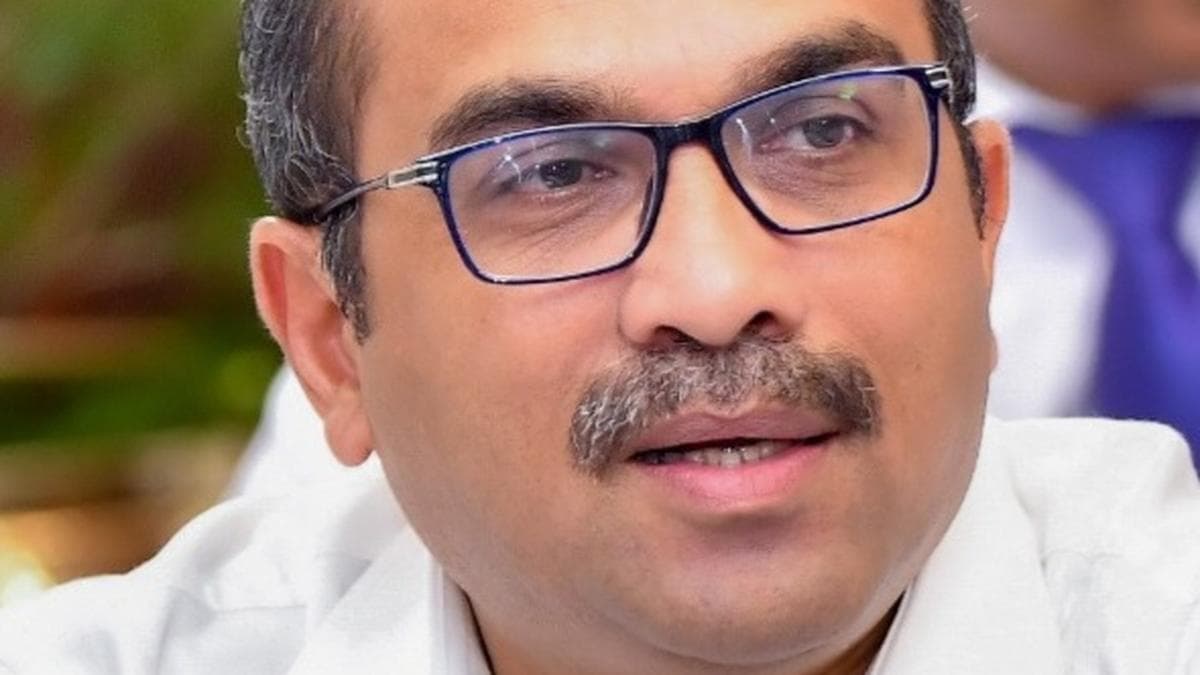
Image: The Hindu
Sri Lanka is poised to support refugees from India, urging political leaders to prioritize humanitarian needs over electoral agendas. What’s next for these communities?
GlipzoIn a significant move, Sri Lanka has expressed its readiness to welcome refugees who were forced to flee during the civil war and currently reside in Tamil Nadu, India. This announcement was made by Bimal Rathnayake, a prominent member of Sri Lanka's ruling National People’s Power administration and its Leader of the House. Rathnayake's comments came in response to increasing discussions regarding the status of Sri Lankan Tamils in India, particularly after a letter from Chief Minister M.K. Stalin dated February 15, 2026, which sought intervention from the Indian government regarding long-standing issues affecting these communities.
Rathnayake emphasized the need for compassion and understanding, urging the Indian and Tamil Nadu governments not to exploit the plight of refugees for political gain. "These individuals have endured tremendous suffering; their requests for assistance should be approached with care and sensitivity," he stated, highlighting the humanitarian angle of the refugee crisis.
Currently, there are approximately 89,000 Sri Lankan Tamils living in various camps across Tamil Nadu, with nearly 40% of them having been born in India. Rathnayake noted that since the end of the civil war in May 2009, about 18,542 individuals have returned to Sri Lanka, showcasing a gradual trend of repatriation.
The involvement of local Indian political figures, particularly M.K. Stalin, underscores the urgency of the situation. In his letter, Stalin requested that the Indian government lift restrictions preventing Sri Lankan Tamils from applying for citizenship and proposed that documentation issued by Tamil Nadu could be used to facilitate their return. He also urged for waivers on passport and visa requirements for those seeking long-term residency or citizenship.
Rathnayake's appeal to both the Indian and Tamil Nadu governments carries significant weight, especially as the refugee issue has become a focal point in regional politics. He stated, "If individuals born in India or those who have lived there for decades choose to seek Indian citizenship, that is their reality and right to pursue." This acknowledgment of personal agency is crucial as many refugees face complex decisions regarding their future.
Additionally, Rathnayake's past advocacy for refugee rights is noteworthy. He has previously pushed for laws that would grant citizenship to thousands of Sri Lankan Tamils, indicating a long-standing commitment to addressing the challenges faced by these communities. His recent comments also highlight the importance of not conflating humanitarian issues with electoral politics.
Reactions to Rathnayake's statements have varied among Sri Lankan politicians. Mano Ganesan, an Opposition MP and leader of the Tamil Progressive Alliance, has called for a permanent and humane solution for Sri Lankan refugees, emphasizing that clarity and dignity are essential for this marginalized group. He asserted that those born and raised in India deserve justice and a choice about their future.
In a recent screening event in New Delhi, M.A. Sumanthiran, a senior lawyer and former MP, echoed these sentiments, pointing out the need for justice and clarity for Tamils in both Sri Lanka and India. He highlighted the plight of a 75-year-old refugee who was detained upon returning to Sri Lanka, reflecting the ongoing challenges faced by those attempting to navigate the complex legal landscape surrounding repatriation.
The situation remains fluid as both Sri Lanka and India navigate the sensitive issues surrounding the rights of Sri Lankan Tamils. With Rathnayake's call for compassion and understanding resonating in the political arena, several key developments can be anticipated:
The plight of Sri Lankan Tamils in India is not merely a political issue; it is a matter of human rights and dignity. As these individuals navigate their identities and seek security, the response of both governments will significantly impact their futures. The ongoing situation serves as a reminder of the broader implications of refugee policies and the need for sensitivity in addressing the needs of displaced populations.
In conclusion, the road ahead for Sri Lankan refugees in Tamil Nadu is rife with challenges, yet there stands a glimmer of hope as Sri Lanka opens its doors once more. The international community will be watching closely to see how these developments unfold and what solutions emerge to assist one of the most vulnerable groups of people in the region.

Tensions soar as the US and Iran engage in air strikes near the Strait of Hormuz, raising concerns over global oil supply and regional stability.
BBC World
Trump's international interventions face serious stalemates. What will this mean for U.S. foreign policy? Explore the critical challenges ahead.
Indian Express
Tehran denies resignation of President Masoud Pezeshkian amid claims of IRGC influence. What does this mean for Iran's political stability? Click to learn more!
Indian Express