
Image: BBC World
Discover the shocking rise of illegal wildlife trafficking in Kenya, where giant African harvester ant queens are fetching up to $220 each on the black market.
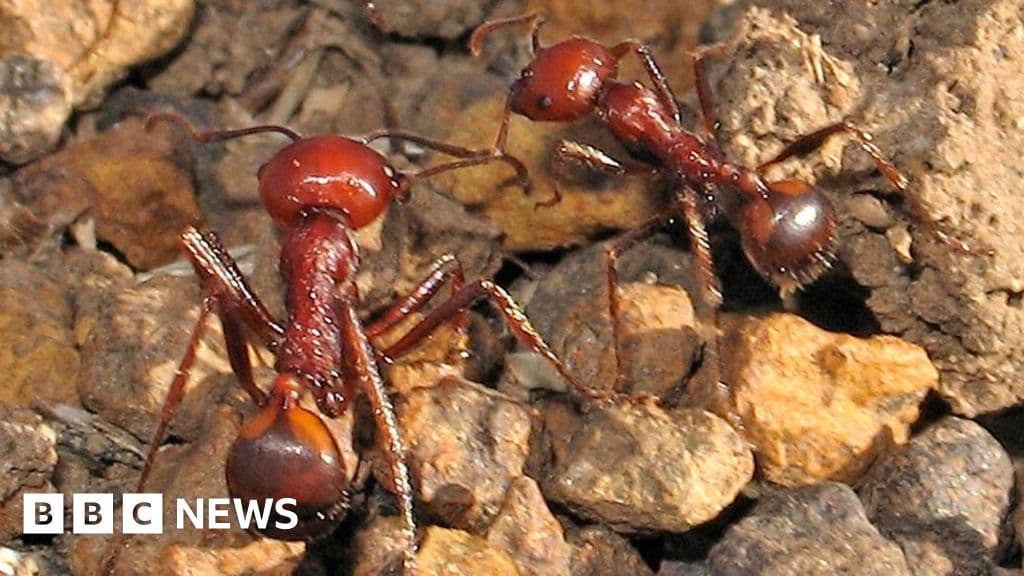
GlipzoIn a surprising twist to wildlife trafficking in Kenya, the giant African harvester ant queens have taken center stage, selling for exorbitant prices on the black market. As the rainy season unfolds, swarms of these ants are emerging from their nests in Gilgil, a small agricultural town in the country’s Rift Valley. The mating rituals of these ants have created a perfect storm for smugglers looking to capitalize on the soaring demand for live ants as exotic pets.
During this season, winged males and queens take flight, making it an opportune time for collectors to capture these queens. Each queen can fetch up to £170 ($220), with the illegal trade primarily occurring online, tapping into a growing global market of ant enthusiasts. The Messor cephalotes, as they are scientifically known, are particularly coveted for their unique seed-gathering behavior and ability to establish entire colonies, which can thrive for decades.
One former broker, who wished to stay anonymous, recounted his experience connecting foreign buyers with local collectors. “At first, I did not even know it was illegal,” he stated, highlighting how unsuspecting locals are drawn into this underground economy. Buyers, often from overseas, remain hidden in guest houses or vehicles while local collectors do the legwork, searching for the ant mounds in the cooler morning hours before the sun’s heat drives the insects deeper underground.
The scale of this illicit trade became glaringly evident last year when authorities discovered 5,000 live queens at a guest house in Naivasha, a popular tourist destination. The suspects, hailing from Belgium, Vietnam, and Kenya, were preparing to ship these precious cargoes to Europe and Asia, where the demand continues to grow.
Wildlife trafficking in Kenya is often associated with more glamorous targets, such as elephant tusks and rhino horns. However, the emergence of ant trafficking has taken both scientists and authorities by surprise. Dino Martins, a biologist and entomologist, noted that he was astonished by the scale of this trade, indicating that even seasoned experts are learning about the complexities of the situation.
Retailers like Ants R Us refer to the giant African harvester ant as “many people’s dream species,” although they currently face challenges in sourcing these queens due to the burgeoning black market. This demand reflects not only a fascination with these ants but also a broader trend in the pet industry towards unique and exotic species.
Martins explained why these ants captivate collectors: the foundress queen can grow up to 25mm (0.98 inches) and is capable of laying eggs throughout her life. The intricate social structure of the colony, with female workers and soldiers managing the nest, adds to their allure.
“They are one of the most enigmatic species of ants,” Martins remarked, emphasizing their engaging behaviors and non-aggressive nature, which makes them suitable for observation in captive environments. As queens mate during swarming, their journey begins with a perilous but fascinating life cycle, designed to establish expansive colonies.
The lifespan of these nests can extend beyond 50 years, with some possibly reaching up to 70 years. This incredible longevity means that the queens themselves have similar life spans, as the colony disintegrates upon their death. Martins shared his long-term observations of nests near Nairobi, some of which he has been tracking for over four decades, demonstrating the resilience of these ant communities.
As the illicit trade continues to thrive, it raises critical questions about the ecological impact and conservation efforts in Kenya. The country is tasked with balancing the allure of exotic pet ownership with the need to protect its unique biodiversity.
The significant prices associated with queen ants mark a new chapter in wildlife trafficking and conservation challenges. As authorities become aware of this burgeoning market, it is crucial to monitor how they respond to these practices. Here are some key aspects to consider moving forward:
As the demand for exotic pets escalates, the story of the giant African harvester ant queens serves as a poignant reminder of the complex interplay between human desire and conservation efforts. The coming years will reveal how effectively Kenya can navigate this new frontier in wildlife trafficking while safeguarding its rich biodiversity for future generations.

Discover how the brain protein Menin could be the key to halting cognitive decline with new research that uncovers its vital role in aging.
Indian Express
A new 'killer fungus' discovered in the UK targets invasive heath-star moss, offering hope for restoring native habitats. Will it turn the tide against invasives?
BBC Science
A Blue Origin rocket exploded during a test in Florida, prompting investigations. All personnel are safe. What does this mean for the future of space travel?
BBC Business