
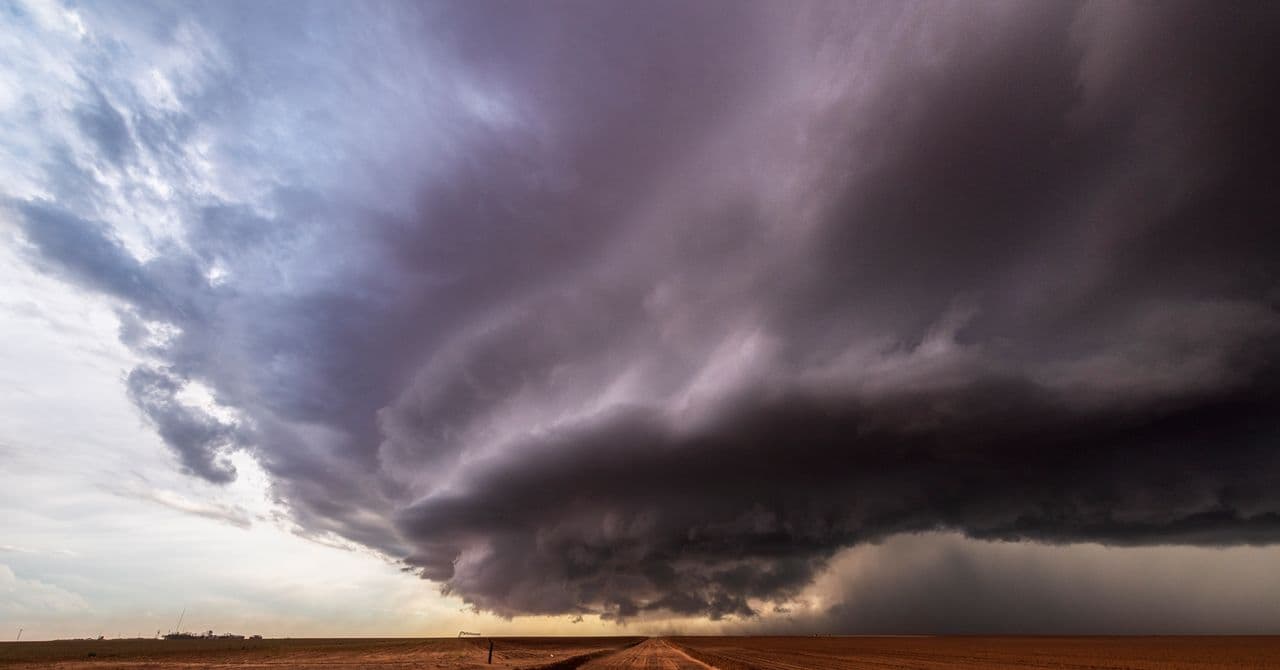
Image: Wired
Brace for record-breaking heat and potential El Niño impacts as the U.S. faces unpredictable weather. Find out why this matters for the future.
GlipzoIn what is shaping up to be a year of unpredictable weather, the United States is bracing for a significant heat wave that began this week. As temperatures soar, forecasters warn that this extreme weather could be just the beginning. While 2025 was recorded as the third-hottest year, it was relatively calm in terms of climate disasters. There were no major hurricanes, and wildfires burned fewer acres than the decade average. However, the current heat wave, combined with the anticipated emergence of a strong El Niño, has experts sounding the alarm about potential chaos in weather patterns as we move deeper into the year.
The National Weather Service (NWS) has issued dire warnings as a massive high-pressure system blankets the West, resulting in unprecedented heat levels. With temperatures predicted to break records across several states, including California, Arizona, and Nevada, residents are urged to prepare. The heat will extend as far east as Missouri and Tennessee, prompting extensive advisories.
“This will be the single strongest ridge we’ve observed outside of summer in any month,” explains Daniel Swain, a climate scientist affiliated with the University of California Agriculture and Natural Resources. What’s particularly alarming about this heat wave is its duration. Swain notes that many areas have already experienced record highs for over a week, and this trend is expected to persist for at least another seven to ten days.
What makes this situation even more concerning is the potential for temperatures to reach levels typically seen in April and May within just a few weeks. Cities like San Francisco, Salt Lake City, and Denver could all experience temperatures exceeding 85 to 90 degrees Fahrenheit during the same week—an alarming prospect for late winter.
This ongoing heat wave dovetails with an already unusually warm winter, resulting in significant implications for the summer months ahead. Recent data from the Department of Agriculture shows that snowpack levels across the Western states are alarmingly low, remaining below 50 percent of the average. Snowpack is essential as it serves as a natural reservoir for the region’s rivers, with 60 to 70 percent of water supply in many areas coming from melting snow. The Colorado River, which provides water to 40 million people across seven states, is particularly vulnerable.
The repercussions of low snowpack levels are severe. Swain emphasizes that the typical peak for snowpack occurs around April 1st, and if these levels remain low, the consequences for the upcoming fire season could be dire.
Adding to the weather unpredictability is the potential formation of a significant El Niño event later this year. The NWS recently reported a 60 percent chance of El Niño developing in August or September. This climate phenomenon, originating in the tropical Pacific, typically results in elevated ocean temperatures that can drastically influence weather patterns across the western U.S.
Zeke Hausfather, a research scientist at Berkeley Earth, notes that various weather models suggest this El Niño could be particularly strong. Although it’s too early to make definitive predictions, the upward trend in model forecasts merits close observation.
The implications of this developing situation extend far beyond immediate weather concerns. Climate change, driven by human activity, is contributing to increasingly volatile weather patterns, and the intersection of high temperatures and a strong El Niño could amplify these effects.
The West has already been grappling with water shortages, agricultural challenges, and extreme weather events. As we move further into 2025, communities must prepare for the possibility of intensified heat waves, increased wildfire risks, and potential shortages in water supply. This situation emphasizes the urgent need for proactive measures to address climate change and its far-reaching impacts.
As the summer months approach, several key factors will shape weather conditions across the U.S.: - Temperature Trends: Monitor ongoing heat records and their potential impact on agriculture and water supply. - Wildfire Preparedness: States and communities should ramp up wildfire prevention efforts and emergency response plans as risks increase. - El Niño Developments: Stay informed about updates from meteorological organizations regarding the potential for a strong El Niño and its implications.
In conclusion, as weather patterns become increasingly erratic, understanding and preparing for these changes is crucial. The looming heat wave and the potential emergence of El Niño may herald a challenging year ahead for many regions in the United States.

Discover how the brain protein Menin could be the key to halting cognitive decline with new research that uncovers its vital role in aging.
Indian Express
A new 'killer fungus' discovered in the UK targets invasive heath-star moss, offering hope for restoring native habitats. Will it turn the tide against invasives?
BBC Science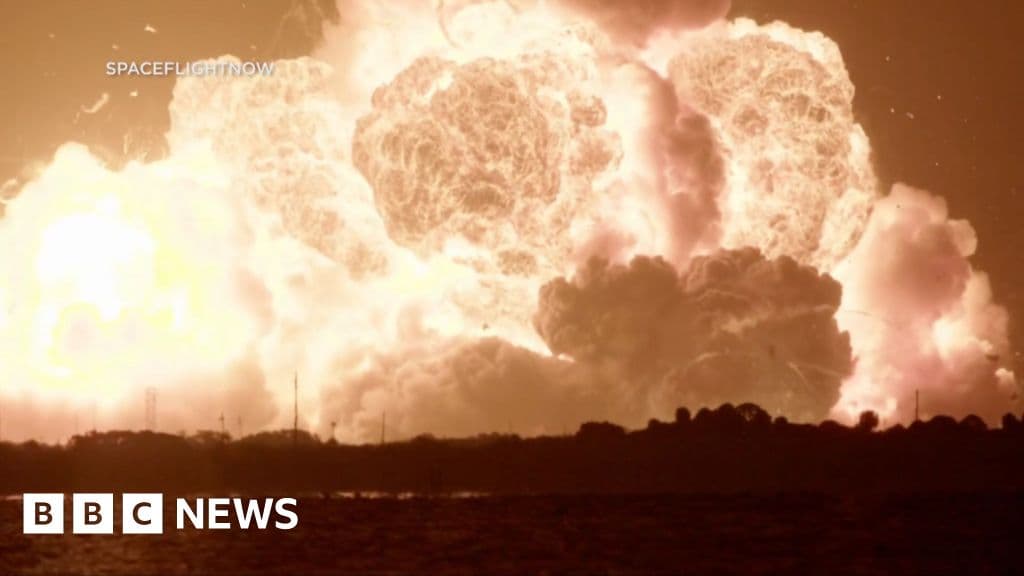
A Blue Origin rocket exploded during a test in Florida, prompting investigations. All personnel are safe. What does this mean for the future of space travel?
BBC Business