

Image: Indian Express
Discover how Hawaiian honeycreepers are mastering nest theft as a survival strategy, revealing surprising insights into avian behavior and competition.
GlipzoIn an intriguing twist of nature, a recent study highlights how certain bird species have developed a penchant for stealing from one another. This behavior, observed among Hawaiian honeycreepers, showcases an unexpected layer of competition in the avian world, echoing the age-old adage that war is merely politics by other means. The research uncovers a fascinating reality: when resources are scarce, survival tactics can take a sharp turn towards the unethical.
In the realm of birds, the notion of theft isn't just a quirky behavior; it's a survival strategy that mirrors aspects of human enterprise. The concept is simple yet profound: why put in the hard work to create something from scratch when you can take advantage of what others have built? This study brings a fresh perspective to the adaptive strategies of birds, especially in environments where the competition is fierce and resources are limited.
The study, which focuses on the Hawaiian honeycreepers, reveals that these birds are not just stealing food but are also engaging in nest material theft. This behavior isn't isolated to a single species; researchers have identified at least three distinct species of honeycreepers participating in this behavior. Their actions are driven by the need to build nests efficiently in a challenging habitat where materials are not easily accessible.
The act of stealing nest materials can be likened to a strategic business move. Just as companies might acquire smaller firms to gain market advantage, these birds are leveraging the work of their peers to ensure their own survival. The evolutionary implications of such behavior are profound, revealing how competition can lead to unconventional survival strategies.
In the broader context of avian behavior, the concept of brood parasitism comes into play. Cuckoos, for instance, lay their eggs in the nests of other birds, offloading the responsibility of raising their young. This form of parasitism is a calculated move, allowing them to avoid the energy and time required for nurturing their offspring. Similarly, honeycreepers stealing nest materials are engaging in a form of resource optimization that benefits their species in a high-stakes environment.
Researchers suggest that the nests are labor-intensive to construct, and in the competitive world of Hawaiian ecosystems, every little advantage counts. The ability to pilfer materials means that honeycreepers can spend less energy on building nests and more on other critical survival activities, such as foraging for food or protecting their territory.
This behavior raises several questions about the dynamics of avian communities and how competition shapes their interactions. The findings from the study suggest that resource scarcity leads to more aggressive behaviors among these birds, prompting them to adopt strategies that might not be seen in more abundant environments.
The implications of this study extend beyond mere curiosity about avian behavior. As we face increasing pressures from climate change and habitat destruction, understanding the adaptive strategies of species like the honeycreeper becomes crucial. Their resourcefulness in the face of adversity can provide insights into how various species might adjust to shrinking habitats and changing climates.
Moreover, the study sheds light on the complexities of animal intelligence and social behavior. Just as humans navigate a world filled with competition and resource scarcity, these birds demonstrate that intelligence and strategy are not limited to one species. Observing their behavior invites deeper reflection on the interconnectedness of life and the innovative solutions species devise to thrive.
As researchers continue to explore the fascinating dynamics of honeycreeper behavior, attention will likely shift to conservation efforts. With their habitats under threat, understanding how these birds adapt will be essential in formulating strategies to protect them and their environment. Future studies may delve deeper into the social structures of these birds and how cooperation and competition coexist in their communities.
In the face of changing environmental conditions, the study of Hawaiian honeycreepers not only enriches our understanding of avian behavior but also highlights the urgent need to conserve these unique ecosystems. As we monitor these species, we can gain valuable insights into resilience, adaptability, and the intricate dance of life that persists in even the harshest conditions.

Discover how the brain protein Menin could be the key to halting cognitive decline with new research that uncovers its vital role in aging.
Indian Express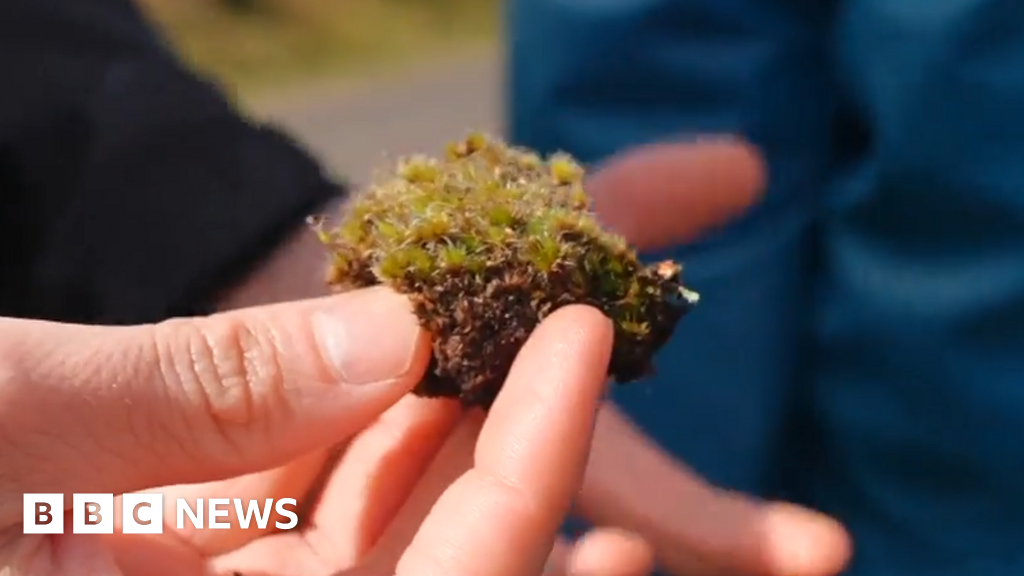
A new 'killer fungus' discovered in the UK targets invasive heath-star moss, offering hope for restoring native habitats. Will it turn the tide against invasives?
BBC Science
A Blue Origin rocket exploded during a test in Florida, prompting investigations. All personnel are safe. What does this mean for the future of space travel?
BBC Business