
Image: The Hindu
JNU student leaders face severe backlash for activism, raising concerns about academic freedom. What does this mean for the future of dissent in India?
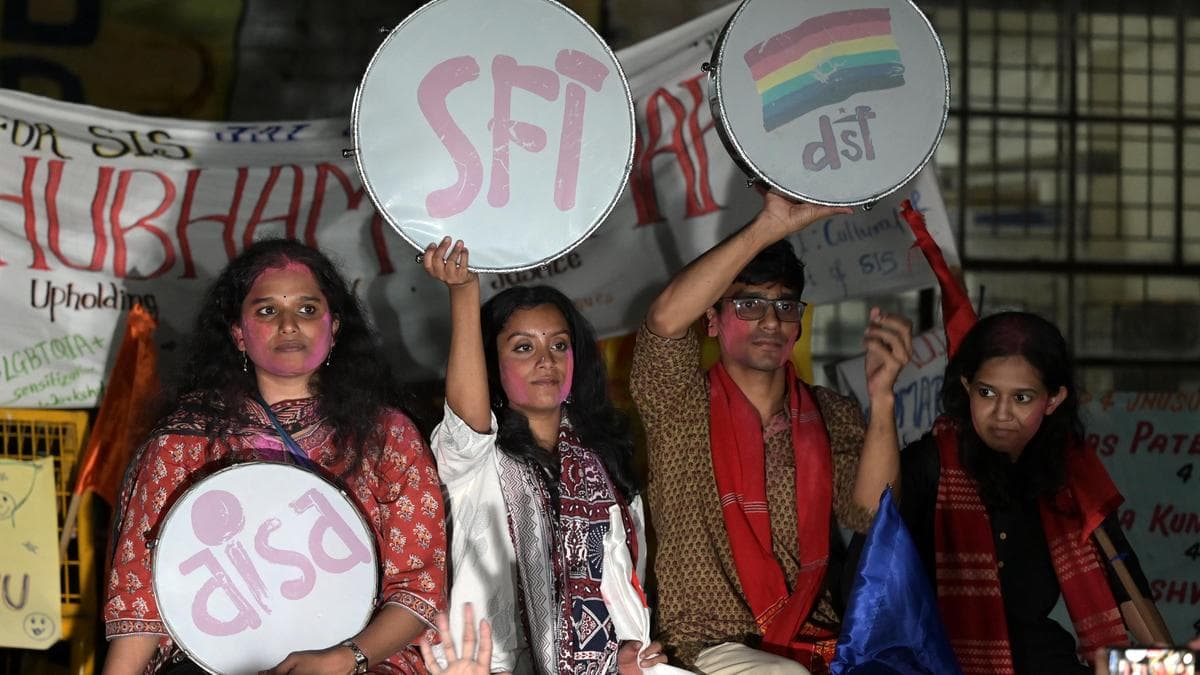
GlipzoIn a dramatic turn of events, five student leaders at Jawaharlal Nehru University (JNU) are facing an uphill battle as their campus activism has morphed into a fight for their academic futures. This situation has escalated over the past month, where suspensions, arrests, and disciplinary inquiries loom ominously over their academic careers. The stakes are high as these students navigate the complexities of dissent on a campus renowned for its vibrant political discourse.
Among the leaders is Aditi Mishra, the president of the JNU Students’ Union (JNUSU), who has found herself questioning the implications of restrictions on student dissent. “I keep wondering why I am in this situation. But then I realize that the other people who fought for us to be here built these spaces. I owe it to them to keep fighting,” Aditi noted, emphasizing the importance of standing up for the rights that past activists have fought to secure.
JNU, known for its progressive student activism and intellectual debates, has a long history of political engagement. However, in recent years, the atmosphere has shifted, with increased scrutiny and pressure on students who dare to voice dissent. The current climate raises significant questions about academic freedom and the role of universities in fostering critical thought.
The current challenges faced by JNUSU leaders are indicative of a broader trend affecting academic institutions across India. The intense scrutiny and punitive measures taken against students have raised alarms among education advocates and human rights organizations, who argue that these actions undermine the very fabric of democratic engagement within educational spaces.
These leaders embody the spirit of activism at JNU, yet they now find themselves at the center of a storm that threatens their academic pursuits. With their PhDs hanging in the balance, they are grappling with the implications of their activism.
The consequences of these disciplinary actions extend far beyond the individual student leaders. Their situations reflect a significant chilling effect on student activism and dissent across campuses in India. Students are increasingly concerned about the repercussions of speaking out on issues ranging from educational policies to social justice.
In a climate where student voices are often marginalized, the recent actions against JNU leaders have ignited a dialogue about the importance of protecting academic freedom. This has led to discussions on social media platforms, where many are expressing solidarity with the affected students and calling for the protection of their rights.
The crackdown on dissent at JNU serves as a stark reminder of the challenges faced by students in advocating for their rights. It raises pressing questions about the future of student activism in India and the potential consequences of silencing dissenting voices.
As JNU student leaders prepare to confront the ongoing challenges, several key developments are likely to unfold in the coming months. The future of student activism at JNU and similar institutions hangs in the balance, with several possibilities on the horizon: - Increased Legal Battles: The student leaders may pursue legal avenues to challenge their suspensions and disciplinary actions, potentially setting important precedents for academic freedom. - Mobilization of Support: A broader coalition of students, faculty, and civil rights organizations could emerge to advocate for the rights of student activists, igniting a renewed wave of activism. - National Dialogue: The situation may prompt a national conversation regarding the rights of students and the role of universities in promoting democratic engagement.
In conclusion, the high price of dissent at JNU reflects a critical moment in the ongoing struggle for academic freedom in India. As student leaders navigate their tumultuous circumstances, the outcomes of their challenges will have lasting implications for future generations of activists and scholars. The eyes of the nation are on JNU, and what happens next will be pivotal in shaping the landscape of student activism across the country.

Tensions soar as the US and Iran engage in air strikes near the Strait of Hormuz, raising concerns over global oil supply and regional stability.
BBC World
Trump's international interventions face serious stalemates. What will this mean for U.S. foreign policy? Explore the critical challenges ahead.
Indian Express
Tehran denies resignation of President Masoud Pezeshkian amid claims of IRGC influence. What does this mean for Iran's political stability? Click to learn more!
Indian Express