
Image: The Hindu
Discover the historical significance behind Kerala's name change to Keralam and its parallels with Tamil Nadu's shift from Madras. Explore why this matters now.
GlipzoOn February 24, 2026, a significant political decision reshaped the identity of the state of Kerala, as the BJP-led government at the Center approved a proposal by the CPI(M)-led regime to rename the state to Keralam, reflecting its designation in the Malayalam language. This event echoes a pivotal moment in Indian history when the state of Tamil Nadu transitioned from being known as Madras, a change that was officially adopted nearly 50 years ago. The political landscape during that time was tumultuous, as the DMK party, after a sensational victory over the Congress party, sought to instill a sense of regional pride through this name change.
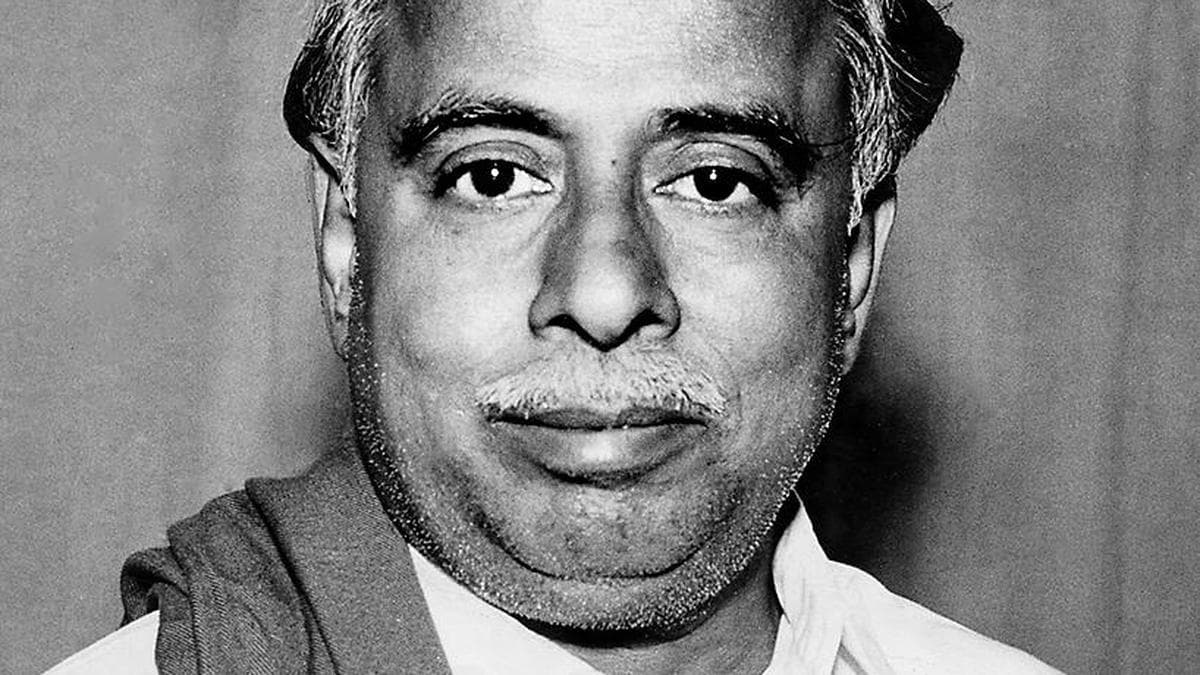
The DMK, under the leadership of C.N. Annadurai, made headlines on July 18, 1967, when the State Assembly unanimously passed a resolution advocating for the name change. This event marked a crucial shift in the political narrative of Tamil Nadu, signaling not just a change in nomenclature but a broader assertion of Tamil identity and heritage. The adoption of the new name was not just procedural; it was a culmination of years of cultural and linguistic advocacy that began as early as March 1961 when the Congress government made its intentions clear, stating that the name 'Tamil Nadu' would be used officially in Tamil communications.
The roots of the name change trace back to the Dravidian movement, which aimed to promote Tamil culture and language, countering the perceived dominance of Hindi and Sanskrit. Annadurai’s vision for Tamil Nadu was encapsulated in his actions on Tamil New Year Day, April 14, 1967, when he illuminated the new official name board that read: ‘Tamizhagha Arasu - Thalaimai Cheyalagam’ (Tamil Nadu Government Chief Secretariat). This ceremonial act was laden with cultural significance, aiming to foster a renewed sense of pride among Tamils.
V.R. Nedunchezhian, the then Education Minister, proposed that English should be relegated to a secondary position on name boards to make way for Tamil. His comments reflected the aspirations of poets like Subramania Bharati, who envisioned a future where Tamil was celebrated and revered. Amidst debates about the linguistic nuances, Public Works Minister M. Karunanidhi countered the critics who claimed that the term ‘Tamizhagham’ lacked historical grounding by referencing Silappadikaram, an ancient Tamil epic that included the term.
The complex legislative process leading to the final approval of the name change was fraught with delays and political maneuvering. A year after the Assembly’s resolution, the Union government presented a draft bill to the DMK government for review. Initially, the name was proposed as Tamil Nad, but following suggestions from C. Rajagopalachari, the esteemed former Governor-General, it was modified to Tamil Nadu. This adjustment not only reflected a linguistic accuracy but also aligned with the broader sentiment of the Tamil populace.
However, the journey was not without its challenges. On November 21, 1968, when the Lok Sabha was set to discuss the bill, the absence of Union Home Minister Y.B. Chavan raised concerns among the DMK representatives. K. Rajaram, a DMK MP, highlighted the importance of ministerial presence for such a significant legislative proposal. This moment was critical, as it underscored the contentious political atmosphere surrounding the name change, highlighting the urgency and importance of the issue in the eyes of the Tamil people.
The recent approval to rename Kerala as Keralam is not just a political decision; it reverberates with historical significance and cultural pride, much like the earlier shift from Madras to Tamil Nadu. In a broader context, these changes reflect the ongoing struggle for linguistic and cultural recognition in India. They serve as reminders that names hold power, representing identity and heritage. As states like Kerala assert their linguistic identities, it prompts a national dialogue on regional pride and the importance of honoring local languages.
As we move forward, the implications of these name changes will likely continue to unfold in both Kerala and Tamil Nadu. The push for recognition and respect for regional languages is likely to gain momentum, potentially inspiring other states to reconsider their nomenclature. The impact of these decisions not only shapes political landscapes but also influences cultural perceptions and community pride.
In conclusion, the name changes of states like Kerala and Tamil Nadu symbolize much more than mere administrative alterations; they embody the aspirations of their people and the rich tapestry of India's linguistic heritage. Observers will be keen to watch how these changes affect regional politics, cultural initiatives, and the ongoing dialogues about identity in a diverse nation like India.

Tensions soar as the US and Iran engage in air strikes near the Strait of Hormuz, raising concerns over global oil supply and regional stability.
BBC World
Trump's international interventions face serious stalemates. What will this mean for U.S. foreign policy? Explore the critical challenges ahead.
Indian Express
Tehran denies resignation of President Masoud Pezeshkian amid claims of IRGC influence. What does this mean for Iran's political stability? Click to learn more!
Indian Express