
Image: BBC Science
Discover how RSPB's Lakenheath Fen is crucial in reviving the common crane population in the UK, achieving record breeding success. Click to learn more!
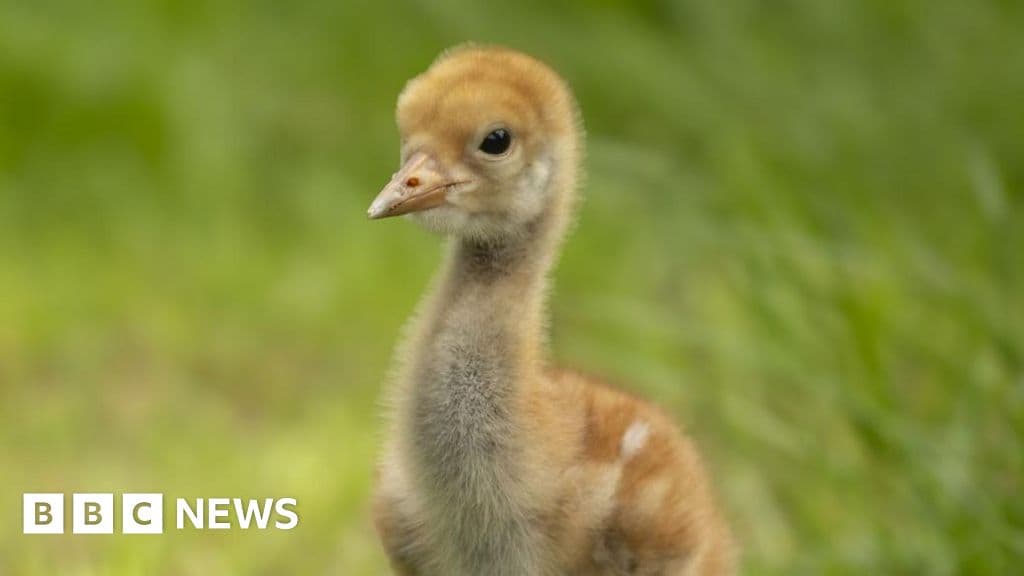
GlipzoA remarkable nature reserve in Suffolk is at the forefront of a historic revival for the UK's tallest bird species, the common crane. The RSPB's Lakenheath Fen has been instrumental in the restoration of these majestic creatures, witnessing their numbers soar during an unprecedented breeding year. With the crane population reaching record heights, this initiative is drawing attention from conservationists and bird watchers alike.
Since the reintroduction of common cranes to the Lakenheath Fen in 2007, the reserve has become a sanctuary for these birds, boasting three established breeding pairs. After an absence of approximately 400 years due to overhunting and habitat loss, the species is finally reclaiming its place in the UK’s avian landscape. In 2022, a staggering 37 chicks were born throughout the country, a testament to the successful conservation efforts.
Dave Rogers, the site manager at RSPB Lakenheath Fen, emphasizes that rebuilding the crane population is a gradual endeavor. He expresses his pride in the reserve being chosen by these birds to raise their young. Cranes, standing over a meter tall, are not only a sight to behold but also have distinct calls that can be heard from up to 3.5 miles (5.6 km) away.
In 2022, the RSPB recorded 87 pairs of cranes across the UK, culminating in a total population of around 250 cranes. Following their extinction in the 1600s, a small number of cranes from mainland Europe made their way to the Norfolk Fens, sparking the beginning of their reestablishment in the region. However, despite the encouraging numbers, threats from climate change continue to jeopardize their wetland habitats.
The unique reedbeds at Lakenheath Fen provide the ideal environment for cranes, offering safe access to water away from human disturbances. Since the inception of the project in 2007, the site has successfully raised 26 chicks. In a bid to further support crane flight, the team has also introduced “runways”, designated areas that allow the birds to take off safely.
Rogers notes that while there’s potential for additional breeding pairs at the reserve, the territorial nature of cranes can complicate integration. He states, "We might be able to squeeze in additional birds, but it's a question of how aggressive a new pair is going to be and how tolerant the existing birds are going to be to the new pair."
Cranes are known to mate for life, showcasing an extraordinary bond that adds to their allure. Haydn Fox, the assistant warden at the reserve, shares insights into their nesting behavior. Observing single cranes in flight often indicates that they are changing shifts while tending to their eggs.
Fox expresses the emotional connection that develops among the staff and visitors toward the cranes, remarking, "They're such majestic birds when they're in flight, they've got their own personalities as well." The reserve, located near Lakenheath railway station and adjacent to the River Little Ouse, fosters a close-knit community of bird enthusiasts who cherish the presence of these cranes.
Kevin Middleton, an avid bird watcher who frequents Lakenheath Fen, shares his experiences with the cranes, noting that their presence is a joyful highlight of his visits. He reflects, "When you see something that big, it's incredible and it really does make you [think twice] about something so big and heavy going through the sky."
Middleton considers the record number of chicks born a “great success story”, indicating a bright future for the species. He recalls his childhood dreams of spotting cranes in his home county, which he once deemed impossible. Now, witnessing these birds in their natural habitat is a fulfilling reality for him and many others.
The revival of the common crane population is not just a local success; it represents a larger narrative of wildlife conservation in the UK. The efforts at Lakenheath Fen highlight the importance of protecting natural habitats and fostering biodiversity. With cranes being emblematic of healthy wetland ecosystems, their comeback serves as a crucial indicator of environmental recovery efforts.
As we look ahead, it is essential to remain vigilant about the challenges facing cranes and similar species due to shifting climatic conditions. Conservationists and bird watchers alike must advocate for protective measures that ensure the longevity of these remarkable birds and their habitats.
In the coming years, the RSPB Lakenheath Fen will continue to monitor the crane population closely while exploring opportunities for further expansion. With the potential for up to four breeding pairs, the team remains hopeful that the cranes will continue to thrive in this sanctuary. The journey towards a robust and sustainable crane population is ongoing, and every successful breeding season is a step towards a brighter future for this majestic bird.
As the story of the common crane unfolds, it encapsulates a larger message about conservation and the resilience of nature. Keeping our eyes peeled for developments at Lakenheath Fen will be crucial as we watch this inspiring narrative evolve.

Discover how the brain protein Menin could be the key to halting cognitive decline with new research that uncovers its vital role in aging.
Indian Express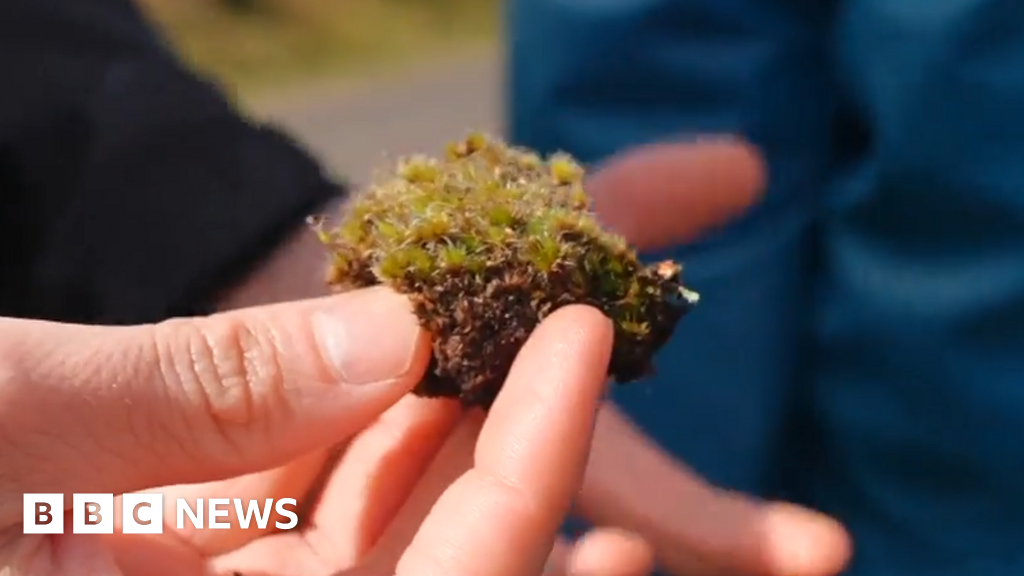
A new 'killer fungus' discovered in the UK targets invasive heath-star moss, offering hope for restoring native habitats. Will it turn the tide against invasives?
BBC Science
A Blue Origin rocket exploded during a test in Florida, prompting investigations. All personnel are safe. What does this mean for the future of space travel?
BBC Business