
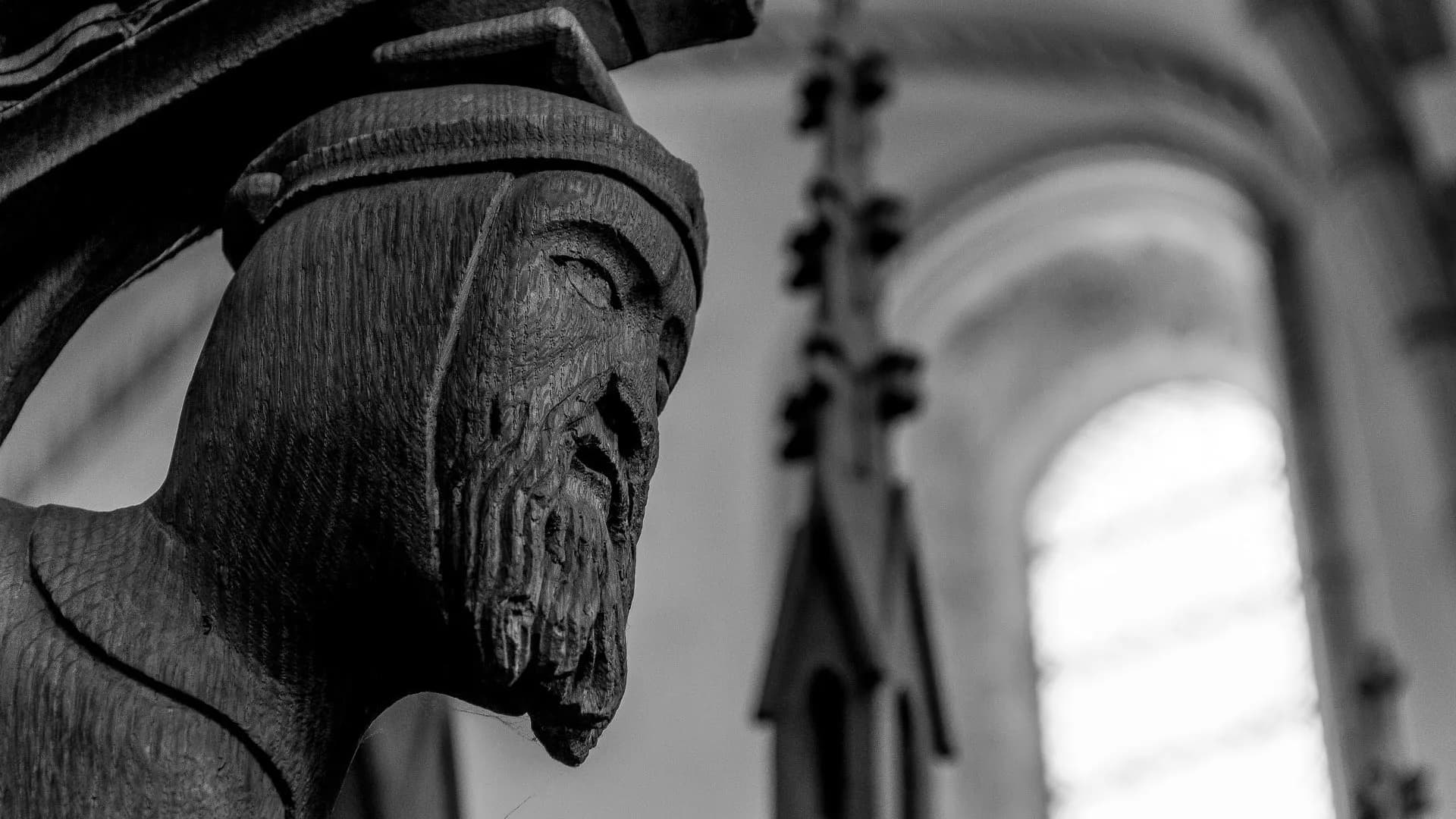
Image: Science Daily
Discover how medieval burial practices defy stigma as researchers reveal surprising insights about disease and social status in Denmark's cemeteries.
GlipzoIn medieval Denmark, burial practices were often tied to an individual’s wealth and social standing. Those with greater means could afford more prestigious graves, typically located closer to the church. However, recent research has brought to light a surprising twist regarding how this system treated individuals suffering from diseases like leprosy and tuberculosis. Contrary to common beliefs, those afflicted with these stigmatized conditions were often interred in the same esteemed locations as their healthier counterparts.
Dr. Saige Kelmelis, a leading researcher at the University of South Dakota, shared insights into this surprising finding. "When we started this work, I was reminded of the film 'Monty Python and the Holy Grail,' particularly the scene with the plague cart. This scene reflects our perceptions of how people historically perceived debilitating diseases. However, our study challenges this notion, highlighting the variability in community responses to illness in medieval times. In many instances, the sick were buried alongside their neighbors, receiving equal treatment."
To delve deeper, Kelmelis collaborated with researchers Vicki Kristensen and Dr. Dorthe Pedersen from the University of Southern Denmark. Together, they analyzed 939 adult skeletons from five medieval cemeteries across Denmark, a mix of urban and rural sites. This diverse setting allowed them to assess how burial practices varied between densely populated towns and the countryside.
Urban areas, known for higher population density, presented unique challenges. The close quarters could facilitate the spread of diseases like leprosy and tuberculosis, both of which were prevalent in medieval society. However, the impact of these diseases differed significantly, shaping how communities responded to the afflicted.
Leprosy, which often manifested through visible facial lesions, marked its sufferers as different and was heavily stigmatized. In contrast, tuberculosis, a chronic infection, often went unnoticed for extended periods, allowing individuals to live with the disease without obvious symptoms. As Kelmelis noted, "Tuberculosis can present for a long time without showing significant signs, unlike leprosy, which is much more visible and stigmatized. In a time when the causes of infections were unknown, those suffering from tuberculosis might not have faced the same social ostracization as leprosy patients."
The research team employed a meticulous approach to identify signs of disease within the skeletal remains. They looked for specific indicators of leprosy, such as facial damage and bone deterioration in the hands and feet, which are results of secondary infections. Tuberculosis, on the other hand, typically affected the joints and bones near the lungs, making it less apparent.
To further understand the burial practices, the scientists created detailed maps of the cemeteries, marking each skeleton's placement. By examining these burial sites, they sought to identify any discernible patterns relating to social status, notably those who could afford more prestigious graves, such as benefactors, knights, and clergy.
Ultimately, the study revealed no consistent correlation between illness and burial status across the sites examined. The urban cemetery of Ribe was the only location that displayed any significant link between health and burial positioning. At this site, approximately one-third of those interred in lower-status areas had tuberculosis, compared to just 12% of individuals buried within the monastery, showcasing a nuanced view of medieval burial practices.
Kelmelis explained, "Historical records indicate that individuals could pay for a more advantageous burial spot. This suggests that wealth in life translated into closeness to divinity in death, as evidenced by their proximity to religious structures."
This research not only sheds light on medieval burial customs but also invites us to reconsider our understanding of how communities viewed illness. The findings suggest a complex interplay between socioeconomic status and disease perception, challenging long-held stereotypes about medieval societies.
As this study indicates, there is much to learn about the past, particularly regarding how societies dealt with disease and stigma. Future research could further explore: - The social dynamics of other diseases and their impact on burial practices. - Comparative studies across different regions to see if similar patterns emerge. - The effects of cultural beliefs on the treatment of the sick in various societies.
This revelation invites historians and archaeologists alike to dig deeper into the past, ultimately enriching our understanding of human responses to illness and societal norms.
In conclusion, the insights from this research compel us to reassess our assumptions about medieval responses to disease, emphasizing that the reality may have been far more compassionate than previously thought.

Discover how the brain protein Menin could be the key to halting cognitive decline with new research that uncovers its vital role in aging.
Indian Express
A new 'killer fungus' discovered in the UK targets invasive heath-star moss, offering hope for restoring native habitats. Will it turn the tide against invasives?
BBC Science
A Blue Origin rocket exploded during a test in Florida, prompting investigations. All personnel are safe. What does this mean for the future of space travel?
BBC Business