
Image: BBC World
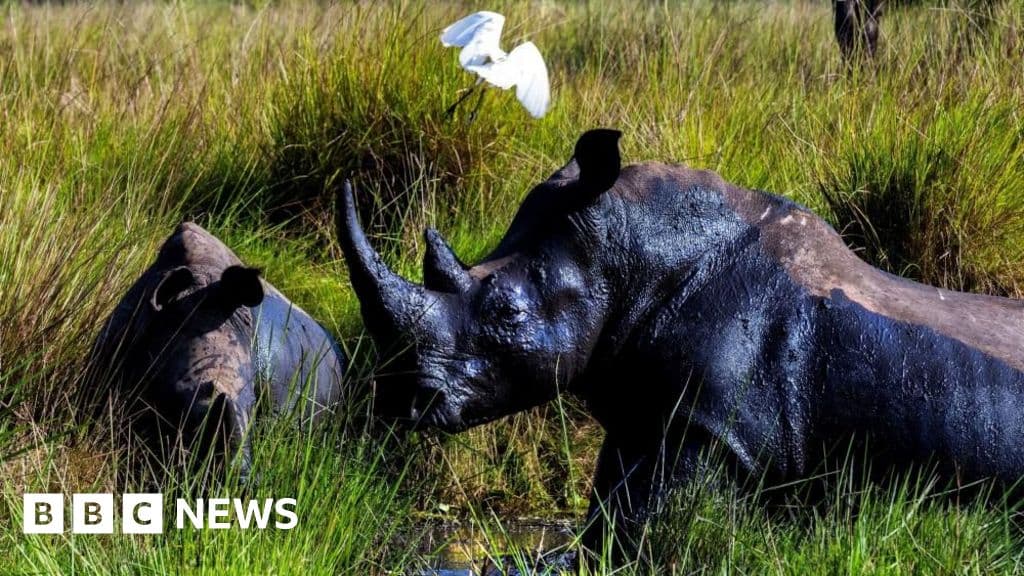
After 40 years, rhinos are back in Uganda's Kidepo Valley, marking a significant step in conservation efforts. Learn how this impacts wildlife and tourism.
GlipzoIn an incredible turn of events, rhinos have officially returned to Uganda’s Kidepo Valley National Park after a staggering absence of over 40 years. This monumental occasion marks a significant step in conservation efforts that have been in the works for years. On Tuesday, two southern white rhinos were translocated to the park, with plans for a total of eight to be released in the coming months. The Uganda Wildlife Authority (UWA), responsible for this initiative, stated that the last rhino in the park was tragically poached back in 1983.
For decades, poachers decimated the rhino population across Uganda, driven by the lucrative trade in rhino horns and meat. Once home to approximately 700 rhinos, Uganda has faced the complete extinction of these majestic creatures in the wild due to rampant hunting and habitat destruction. The UWA's executive director, James Musinguzi, remarked that this moment heralds a new chapter in the story of Kidepo Valley National Park, emphasizing the importance of restoring a species integral to Uganda's natural heritage.
The reintroduction of the rhinos is not a random act of goodwill but a carefully planned ecological initiative. Musinguzi highlighted that extensive research was conducted, assessing habitat suitability, ecological requirements, and security conditions before determining that Kidepo was among the best locations for a successful rhino reintroduction.
To safeguard the newly relocated rhinos, the UWA has established a secure sanctuary that includes: - Perimeter fencing - Access roads for monitoring and management - Firebreaks to prevent wildfires - Ranger facilities for constant oversight - Water systems to ensure hydration - Monitoring technology for real-time data collection and security
This robust infrastructure aims to provide a safe environment for the rhinos to thrive and reproduce, reversing the devastation wrought by poaching.
Despite these significant strides, poaching remains a critical issue in Uganda. Conservationists continue to combat the illegal wildlife trade, which includes ivory, pangolins, and other endangered species. This illegal market is largely fueled by the demand for rhino horns, often sought after for traditional medicine and as status symbols in certain Asian cultures.
The International Union for Conservation of Nature (IUCN) has classified the southern white rhino as “near threatened,” indicating a worrying decline in population numbers. As of a 2020 survey, there were just over 10,000 of these magnificent animals left in the wild, underscoring the urgency of conservation efforts.
The return of rhinos to Uganda is not merely about wildlife restoration; it carries broader implications for the region’s biodiversity and eco-tourism potential. Kidepo Valley National Park, known for its stunning landscapes and diverse wildlife, is poised to become a focal point for conservationists and tourists alike. By re-establishing the rhino population, the park could enhance its reputation as a premier wildlife destination, attracting visitors eager to witness these incredible creatures in their natural habitat.
Moreover, a thriving rhino population can stimulate local economies through eco-tourism, leading to further investments in conservation and community development. As more tourists flock to Uganda to see the rhinos, local communities may benefit from job creation and increased revenue from tourism-related activities.
As Uganda embarks on this ambitious journey to restore its rhino population, the world will be watching closely. The success of this initiative will depend on continuous efforts to combat poaching and habitat loss. The UWA has pledged to remain vigilant, ensuring that the newly introduced rhinos receive the protection they need to flourish.
Looking forward, several key factors will be crucial: - Monitoring the health and behavior of the rhinos in their new environment - Continued community engagement to foster local support for conservation efforts - Strengthening anti-poaching measures to mitigate threats to wildlife - Promoting eco-tourism to generate funds for ongoing conservation projects
In conclusion, the reintroduction of rhinos to Uganda is a pivotal moment not just for the species but also for the nation’s commitment to wildlife preservation. With careful planning and community involvement, Uganda hopes to see a flourishing rhino population that will once again roam its landscapes, enriching the country’s natural heritage for generations to come.

Discover how the brain protein Menin could be the key to halting cognitive decline with new research that uncovers its vital role in aging.
Indian Express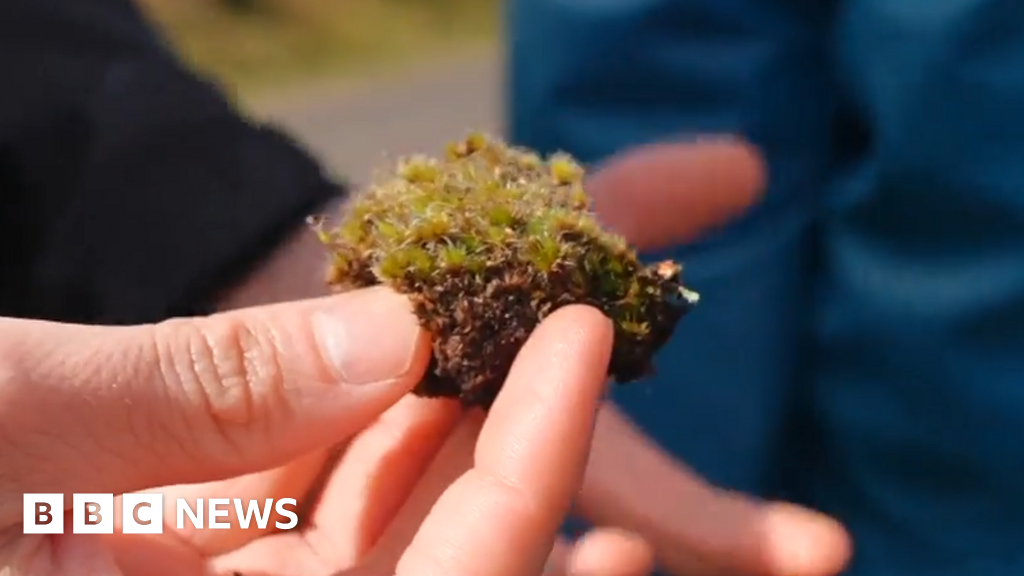
A new 'killer fungus' discovered in the UK targets invasive heath-star moss, offering hope for restoring native habitats. Will it turn the tide against invasives?
BBC Science
A Blue Origin rocket exploded during a test in Florida, prompting investigations. All personnel are safe. What does this mean for the future of space travel?
BBC Business