
Image: BBC Science
Discover how climate change affects hurricane formation and intensity, and what to expect for the 2026 hurricane season. Stay informed about storm risks!
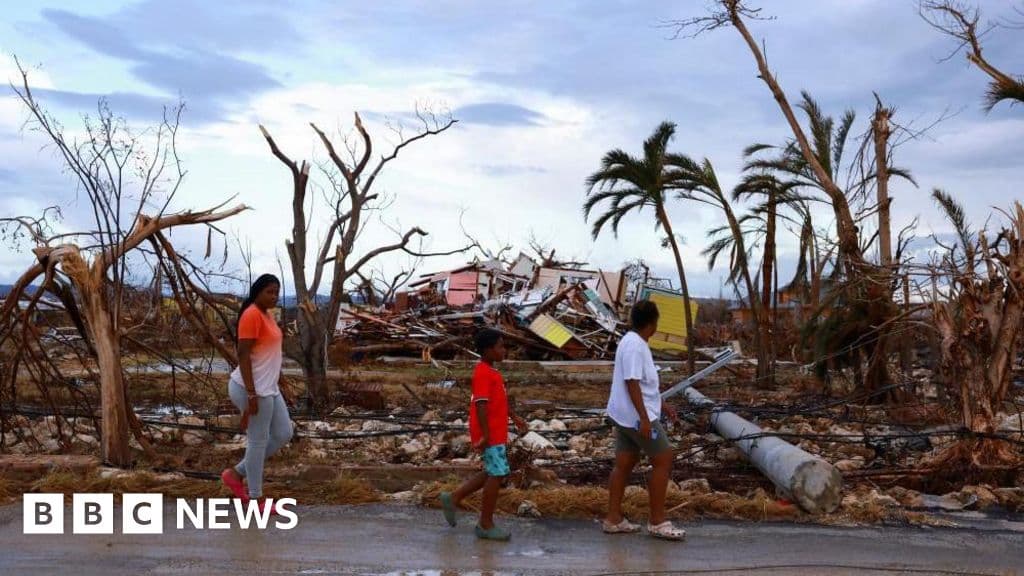
GlipzoAs we approach the 2026 Atlantic hurricane season, predictions indicate it may be quieter than usual. The National Oceanic and Atmospheric Administration (NOAA) forecasts between three and six hurricanes from June to November, contrasting sharply with the average of seven storms. However, the central and eastern Pacific hurricane seasons are expected to be above average, largely due to the emerging El Niño weather pattern, which disrupts tropical storms in the Atlantic but enhances them in the Pacific.
This raises essential questions about the impact of climate change on tropical cyclones. While climate change doesn't appear to increase the overall number of hurricanes, it significantly influences their intensity. Rising global temperatures mean that hurricanes that do form are capable of producing stronger winds and heavier rainfall. Experts emphasize that it only takes one powerful storm to cause catastrophic effects on communities.
Tropical cyclones, commonly known as hurricanes, typhoons, or cyclones depending on their location, are fierce storms originating over warm tropical ocean waters. These storms are characterized by their high wind speeds, intense rainfall, and associated storm surges, which can lead to devastating flooding and widespread destruction.
Hurricanes are categorized based on their peak sustained wind speed: - Category 1: Winds of 74-95 mph (119-153 km/h) - Category 2: Winds of 96-110 mph (154-177 km/h) - Category 3: Winds of 111-129 mph (178-208 km/h), classified as major hurricanes
The formation of a hurricane begins with an atmospheric disturbance, such as a tropical wave or an area of low pressure where thunderstorms develop. As warm, moist air rises from the ocean's surface, winds begin to spin due to the Earth's rotation, particularly in tropical regions close to the equator. For a hurricane to thrive, the sea surface temperature must generally be at least 27°C (80°F), with minimal wind variation at different heights.
While the global frequency of tropical cyclones has remained stable over the past century, there is evidence that the proportion of storms reaching Category 3 or higher has increased in recent decades. The Intergovernmental Panel on Climate Change (IPCC) reports a medium level of confidence that both average and peak rainfall rates associated with tropical cyclones have risen.
Notably, there has been a rise in rapid intensification events, where hurricanes quickly gain strength, posing significant danger to affected areas. For example, in 2017, Hurricane Harvey stalled over Houston, resulting in 100 cm of rain within just three days. Furthermore, studies suggest that the average location for peak hurricane intensity has shifted poleward, exposing new regions to potential hurricane impacts.
The complexity of individual tropical cyclones makes it challenging to pinpoint the exact influence of climate change on their formation and intensity. However, rising temperatures affect hurricanes in notable ways: - Warmer ocean waters provide more energy for storms, resulting in higher wind speeds. - Increased atmospheric moisture leads to more intense rainfall.
Research indicates that between 2019 and 2023, the maximum wind speeds of hurricanes were enhanced by an average of 19 mph (30 km/h) due to human-driven ocean warming. This alarming statistic underscores the growing threat of more powerful hurricanes.
As climate change continues to unfold, the implications for hurricane behavior and intensity are profound. While the overall number of tropical cyclones may not be increasing, the storms that do develop are becoming more dangerous. Communities need to prepare for the potential of stronger storms accompanied by heavier rains and flooding.
What can we expect in the coming years? As the El Niño phenomenon continues to evolve and climate change progresses, monitoring the patterns and behaviors of hurricanes will be crucial. Here are some key points to watch for: - The impact of El Niño on seasonal hurricane activity in both the Atlantic and Pacific. - How rising temperatures will further influence hurricane wind speeds and rainfall intensity. - The potential for shifting hurricane paths and intensities to affect new regions previously less impacted by major storms.
In conclusion, understanding the formation and intensity of hurricanes in the context of climate change is vital for disaster preparedness and community resilience. As we delve deeper into this critical issue, staying informed about emerging research and climate patterns will be essential for safeguarding lives and property.

Discover how the brain protein Menin could be the key to halting cognitive decline with new research that uncovers its vital role in aging.
Indian Express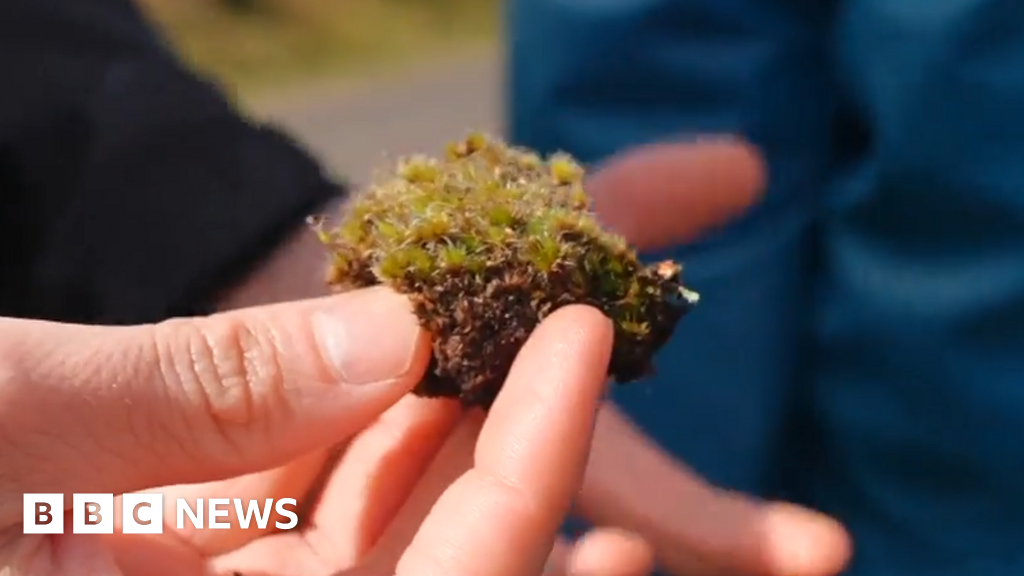
A new 'killer fungus' discovered in the UK targets invasive heath-star moss, offering hope for restoring native habitats. Will it turn the tide against invasives?
BBC Science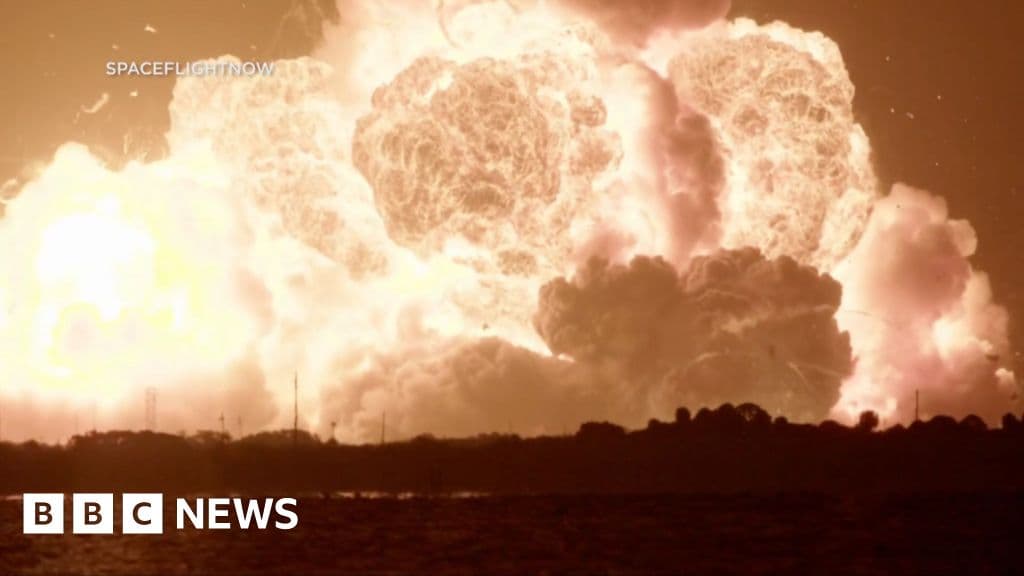
A Blue Origin rocket exploded during a test in Florida, prompting investigations. All personnel are safe. What does this mean for the future of space travel?
BBC Business