

Image: BBC Science
Discover how severe winter rainfall in Devon and Cornwall threatens marine life and public health. Learn about ongoing monitoring and implications for the future.
GlipzoRecent meteorological data reveals that Devon and Cornwall have experienced unprecedented rainfall, raising serious concerns for local marine life. In March, experts reported that rainfall in some areas reached as high as 150% of the long-term average. This weather pattern has led to environmental challenges that could affect marine ecosystems, shellfish, and even human health.
In February, the Met Office confirmed that Cornwall recorded its wettest winter since records began. The implications of these weather conditions are far-reaching, especially as we see a trend toward milder and wetter winters. Experts warn that such changes could have long-term repercussions not only for terrestrial environments but also for coastal and marine ecosystems.
To gauge the impact of these changes on marine life, the Plymouth Marine Laboratory has been employing advanced monitoring techniques, including the use of satellites and drones. These tools help scientists assess water quality, viral and bacterial levels, and the abundance of different algal species.
Dr. Gavin Tilstone, a bio-optical oceanographer at the laboratory, has observed significant changes in water conditions. "The first thing that we notice is a large freshwater plume, which can extend far offshore. The second issue is the appearance of large sediment plumes that block light from reaching submerged vegetation like seagrass and seaweed. This can have devastating effects on marine life."
The sediment carried by stormwater runoff contains high concentrations of nutrients derived from agricultural runoff and sewage spills. This influx of nutrients can lead to rampant algal growth, particularly as spring approaches.
As these sediments settle on the seabed, they can disrupt the delicate balance of the ecosystem. Disturbances caused by wave action can resuspend these harmful sediments, especially as water temperatures rise, creating an environment where bacteria thrive.
The Plymouth Marine Laboratory is not only focused on algal growth but also actively monitors bacterial levels in the water. Dr. Tilstone emphasizes, "We conduct tests for bacterial and viral counts. After heavy rainfall, we often find elevated levels of E. coli, which poses health risks to humans."
The future of the marine environment is uncertain, as it depends on how the upcoming spring and summer seasons unfold. Dr. Tilstone noted, "If we experience persistent rainfall, we could see larger and potentially harmful algal blooms. Conversely, a dry and hot summer could also drastically alter coastal health. The ecosystem is currently in a state of flux and will continue to change."
Bruce Newport, the area environment manager for bathing waters at the Environment Agency, provided insight into the agency's role in monitoring water quality. Newport highlighted the differences between their work and that of the Plymouth Marine Laboratory. The Environment Agency focuses more on indicators of sewage contamination, allowing them to trace back the sources of pollutants.
"Over the past 30 years, we have collected bathing water samples weekly during the summer months. This long-term data set enables us to identify the safest places to swim," Newport explained. He acknowledged that while there are still some beaches susceptible to pollution, overall water quality has improved significantly.
Newport expressed optimism about the advancements made in water quality, stating, "Currently, we have about 98% of our bathing waters meeting excellent standards, which is a significant improvement from 10-15 years ago. While it is disheartening to see sewage contaminating our rivers and bathing areas, the progress we’ve made is commendable."
As environmental conditions continue to evolve, stakeholders must remain vigilant. The impact of climate change is undeniable, and with wetter winters becoming the norm, the risks to marine life and public health are likely to increase. It’s crucial for both scientists and policymakers to monitor these changes closely.
In summary, the interplay between climate conditions and marine ecosystems in Devon and Cornwall is a critical area of study. As warmer summers and wetter winters become more prevalent, continued monitoring and proactive measures will be essential to safeguard marine health and public safety.

Discover how the brain protein Menin could be the key to halting cognitive decline with new research that uncovers its vital role in aging.
Indian Express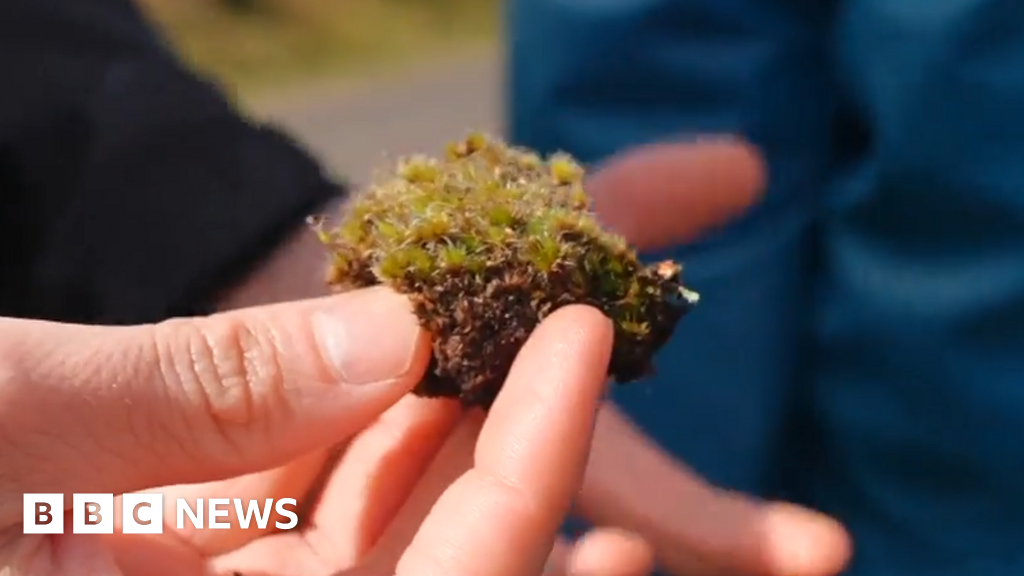
A new 'killer fungus' discovered in the UK targets invasive heath-star moss, offering hope for restoring native habitats. Will it turn the tide against invasives?
BBC Science
A Blue Origin rocket exploded during a test in Florida, prompting investigations. All personnel are safe. What does this mean for the future of space travel?
BBC Business