
Image: BBC Business
Discover how sunburn led to a groundbreaking energy storage solution, using DNA's shape-shifting abilities to create a sustainable future.
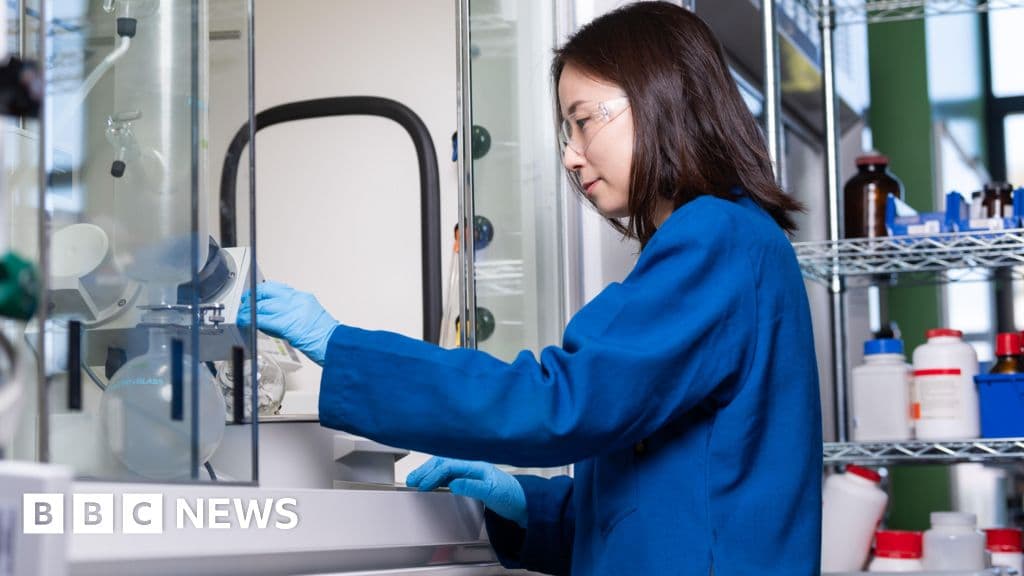
GlipzoIn an unexpected twist, sunburn has inspired a revolutionary approach to energy storage, thanks to the keen observations of Grace Han, a chemistry professor at the University of California, Santa Barbara. While many dread the discomfort of sunburn, Han saw an opportunity in the DNA molecules within our skin that change shape when exposed to sunlight. This discovery not only highlights the adaptability of nature but also has the potential to transform how we store and manage energy.
During her time in Southern California, Han experienced firsthand how her skin reacted to the sun, leading her to dive deeper into the science behind DNA photochemistry. This interest prompted her to explore how the very same mechanisms that lead to sunburn could be harnessed for energy storage. When UV light hits our skin, it alters the structure of DNA, causing it to twist and change shape, a process that could potentially be replicated for energy purposes.
For decades, researchers have been on the hunt for molecular systems capable of storing energy by undergoing shape changes and later returning to their original form. This concept, known as molecular solar thermal (MOST) energy storage, has the promise of providing a cost-effective and emission-free means of heat supply. The ability to store energy for extended durations—months or even years—makes it an attractive solution as demand for sustainable energy sources grows.
Han's research hinges on the remarkable efficiency of natural processes. Our skin's DNA has evolved to repair itself after being damaged by UV light with the help of an enzyme called photolyase. This natural mechanism not only offers a glimpse into the workings of energy storage but also presents a model for developing a more efficient energy system.
While the results are promising, there are challenges that need addressing for this technology to be viable on a larger scale. The specific UV wavelength required to activate the shape-shifting molecules is around 300 nanometers, which is only available in limited quantities from sunlight. Additionally, the current method for releasing stored energy involves using hydrochloric acid, a corrosive substance that presents practical challenges for application in real-world settings.
Collaboration has played a critical role in the advancement of this research. Han credits the predictive computer analyses produced by Kendall Houk from UCLA, which were instrumental in understanding how the energy-storing molecules would behave under different conditions. Fellow researchers, like Kasper Moth-Poulsen from the Polytechnic University of Barcelona, have also expressed excitement about the high energy densities achieved, which mark a significant advancement in the field.
This innovative research is more than just a scientific curiosity; it addresses a pressing global need for sustainable energy solutions. As the world grapples with climate change and the growing demand for clean energy, breakthroughs like Han's could pave the way for new technologies that minimize our reliance on fossil fuels.
Looking ahead, Han and her team are optimistic about refining their energy storage system to make it more responsive to natural light and to address the challenges posed by corrosive substances. The goal is to enhance the efficiency and practicality of the MOST energy storage systems so they can be implemented in real-world applications.
As research progresses, we may witness the emergence of new technologies that leverage the unique properties of biological molecules, changing the landscape of energy storage and usage.
In conclusion, this groundbreaking discovery not only sheds light on the hidden potential of sunburn but also demonstrates how nature can inspire innovative solutions to some of our most pressing energy challenges. The journey is just beginning, and the next steps could lead us toward a more sustainable future powered by the sun.
---

Discover how the brain protein Menin could be the key to halting cognitive decline with new research that uncovers its vital role in aging.
Indian Express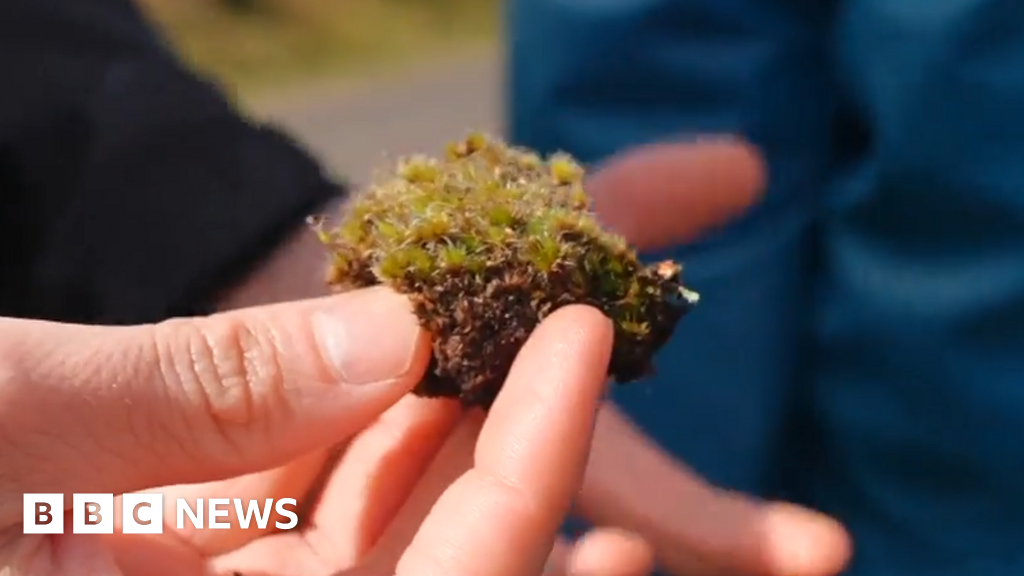
A new 'killer fungus' discovered in the UK targets invasive heath-star moss, offering hope for restoring native habitats. Will it turn the tide against invasives?
BBC Science
A Blue Origin rocket exploded during a test in Florida, prompting investigations. All personnel are safe. What does this mean for the future of space travel?
BBC Business