

Image: Science Daily
Discover how UC Santa Barbara researchers unveil a new quantum state through atomic frustration, paving the way for future quantum technologies.
GlipzoIn a groundbreaking study conducted at UC Santa Barbara, materials scientist Stephen Wilson and his team are delving into the intriguing world of quantum physics, specifically focusing on the emergence of unconventional states of matter. Their research, recently published in Nature Materials, highlights a fascinating phenomenon known as frustration of long-range order, which could have significant implications for the future of quantum technologies.
Wilson emphasizes that this research is rooted in fundamental science rather than immediate technological applications. According to him, "This is fundamental science aimed at addressing a basic question. It's meant to probe what physics may be possible for future devices." The implications of this work could pave the way for advancements in quantum computing and other emerging fields.
The study, titled "Interleaved bond frustration in a triangular lattice antiferromagnet," explores how various forms of frustration manifest in materials. A critical aspect of their findings is geometric frustration, which occurs when the magnetic moments within a material cannot settle into a stable configuration.
To explain magnetism, Wilson uses a clear analogy: "You can think of magnetism as being derived from tiny bar magnets sitting at the atomic sites in a crystal lattice." These tiny magnets, known as magnetic dipole moments, interact based on the material's structure, striving to arrange themselves in a way that minimizes energy levels. At absolute zero temperature, every system ideally exists in its lowest energy state, known as the ground state.
In a regular square arrangement, these magnetic moments easily align in opposite directions, resulting in a stable configuration known as antiferromagnetism. However, when the atoms are arranged in a triangular formation, achieving this antiparallel orientation becomes impossible, leading to competition among the magnetic moments. This competition results in frustration, as the geometry of the lattice impedes the system's ability to reach equilibrium.
Interestingly, frustration isn't limited to magnetic interactions; it can also arise from electron charge dynamics. When two adjacent ions attempt to share an electron across a bond, they create what is known as an atomic dimer. Similar to magnetic moments, these dimers can become frustrated in specific geometrical structures, such as triangular lattices or honeycomb networks.
This leads to the formation of a bonding network that is inherently sensitive to strain. Wilson notes that applying strain can partially alleviate this frustration within the bonding pattern. The unique aspect of Wilson's research is its focus on a rare class of materials where both magnetic and bond frustrations coexist within the same structure, creating an opportunity for novel interactions and phenomena.
The discovery of these dual frustrated systems is particularly exciting for Wilson and his team. He describes the findings as potentially transformative, suggesting that this research could enable scientists to influence one frustrated system by manipulating the other. Over the past several years, researchers have developed methods to create frustrated magnetic states using triangular networks of lanthanides, which are elements situated at the bottom of the periodic table.
As Wilson explains, “In principle, this triangular lattice network of properly chosen lanthanide moments can cause a special kind of intrinsically quantum disordered state to arise.” This research not only enhances our understanding of quantum states but also lays the groundwork for future applications in quantum technology.
The implications of Wilson's research extend beyond theoretical physics; they could reshape the landscape of quantum technologies. As materials scientists continue to explore the complexities of frustrated systems, we may see breakthroughs that lead to more efficient quantum devices, improved materials for quantum computing, and enhanced capabilities for information processing.
Wilson's work exemplifies how fundamental research can unlock the door to technological innovation. As we continue to unravel the complexities of quantum physics, the potential applications for these findings could revolutionize various fields, from computing to telecommunications.
Looking ahead, scientists and researchers will likely focus on further investigating the properties of these dual frustrated systems. The next steps may involve experiments aimed at controlling the interactions between magnetic and bond frustrations, ultimately aiming to harness these unique states for practical applications. As this research progresses, the scientific community will be watching closely to see how these discoveries might translate into tangible advances in quantum technology and materials science.
In conclusion, the work being done by Wilson and his team not only enriches our understanding of fundamental physics but also opens a path toward future innovations that could shape the next generation of quantum technologies. The journey of exploration continues, and the possibilities remain as exciting as ever.
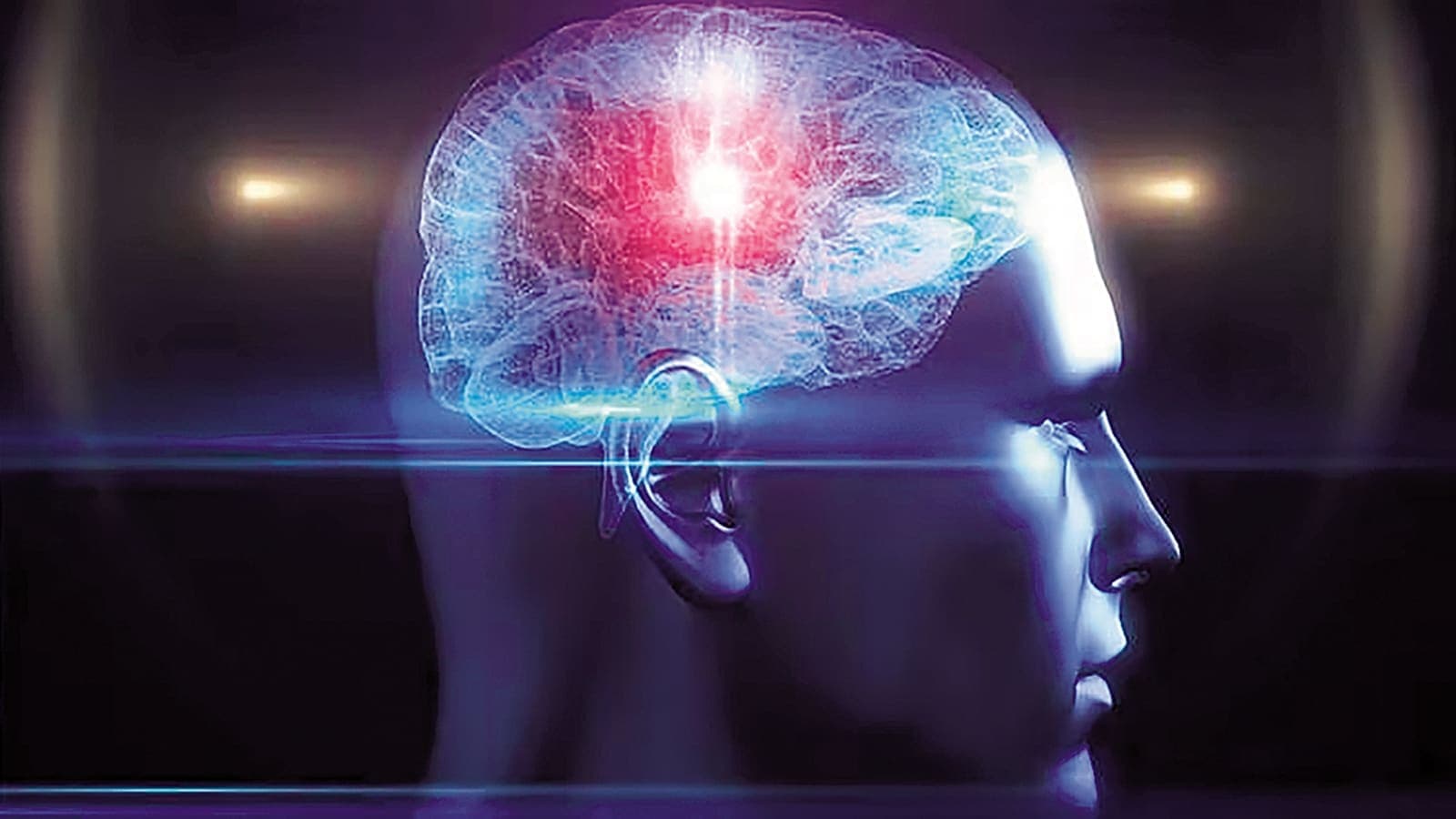
Discover how the brain protein Menin could be the key to halting cognitive decline with new research that uncovers its vital role in aging.
Indian Express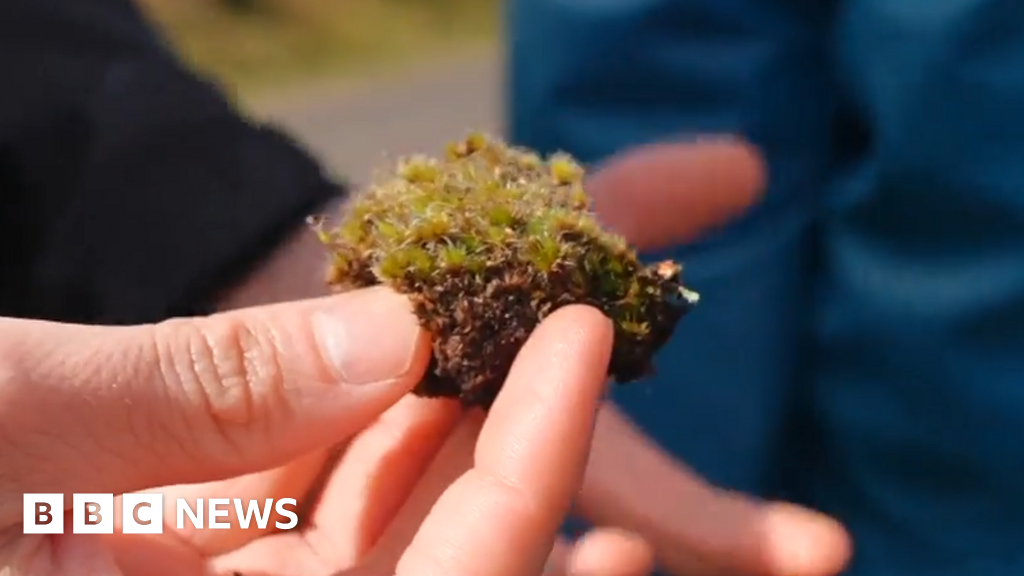
A new 'killer fungus' discovered in the UK targets invasive heath-star moss, offering hope for restoring native habitats. Will it turn the tide against invasives?
BBC Science
A Blue Origin rocket exploded during a test in Florida, prompting investigations. All personnel are safe. What does this mean for the future of space travel?
BBC Business