
Image: Science Daily
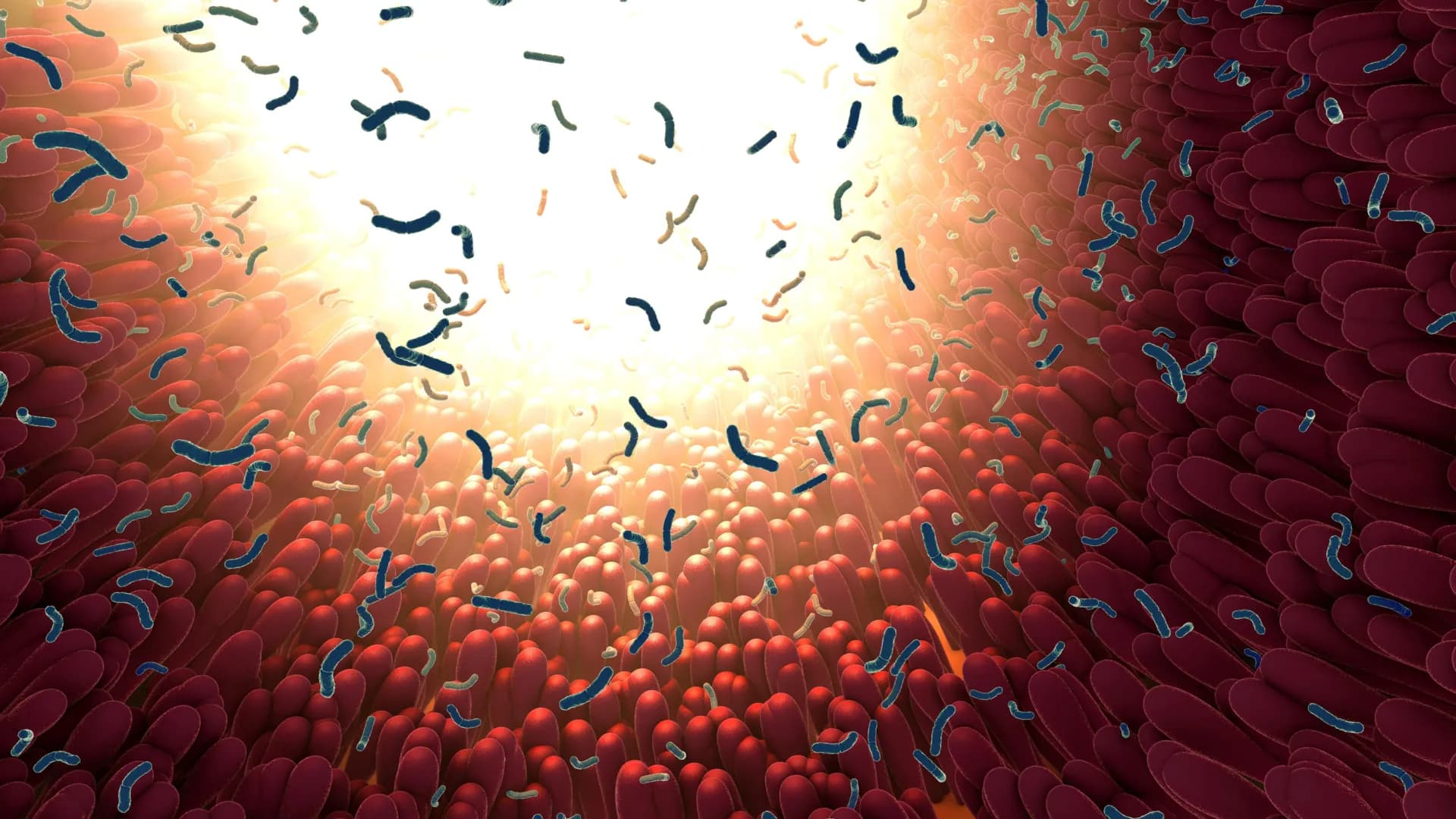
MIT researchers have unveiled intelectin-2, a gut protein that traps and kills harmful bacteria, opening doors for new treatments in gut health.
GlipzoA remarkable breakthrough in gut health has emerged from MIT, where scientists have identified a specific protein capable of trapping and neutralizing harmful bacteria in the gastrointestinal (GI) tract. This protein, known as intelectin-2, demonstrates significant antimicrobial properties that could pave the way for novel treatments against infections and diseases linked to gut health. This discovery was made by researchers at MIT, who published their findings in the journal Nature Communications.
The moist surfaces lining our bodies are equipped with specialized molecules that serve as a first line of defense against microbes, preventing potential infections and inflammation. Among these protective agents are lectins, a type of protein that recognizes and binds to sugars on the surfaces of pathogens and other cells. Intelectin-2 stands out due to its dual functionality in enhancing gut barrier integrity and combating bacteria.
Laura Kiessling, the Novartis Professor of Chemistry at MIT and senior author of the study, remarked, "What's remarkable is that intelectin-2 operates in two complementary ways. It helps stabilize the mucus layer, and if that barrier is compromised, it can directly neutralize or restrain bacteria that begin to escape." This dual action underscores the protein's potential as a therapeutic agent, particularly for individuals suffering from conditions like inflammatory bowel disease (IBD).
The human genome encodes over 200 lectins, which are crucial for immune defense and cellular communication. Kiessling's lab has focused on the intelectin family, which includes intelectin-1 and intelectin-2. While these two lectins share structural similarities, their functions differ significantly. Intelectin-1 specifically binds to carbohydrates found on microbial surfaces, but its biological functions remain partly elusive.
Ten years ago, Kiessling and her team deciphered the structure of intelectin-1, sparking curiosity about the potential role of intelectin-2 in immune defense. Amanda Dugan, a former MIT research scientist, and Deepsing Syangtan, a PhD student, led the investigation into intelectin-2's role in the immune response. They found that in humans, intelectin-2 is produced by Paneth cells in the small intestine, while in mice, it’s generated by Goblet cells in response to inflammation and parasitic infections.
Research revealed that both human and mouse intelectin-2 can bind to a sugar molecule known as galactose, prevalent in mucins, the building blocks of mucus. By attaching to these mucins, intelectin-2 enhances the strength of the mucus barrier, which is essential for protecting the intestinal lining from pathogens.
Interestingly, galactose is also present in carbohydrates on the surfaces of various bacterial cells. The research team demonstrated that intelectin-2 effectively attaches to these bacteria, including several known pathogens that lead to gastrointestinal infections. The binding process initiates a breakdown of the bacteria, implying that intelectin-2 disrupts their cell membranes and ultimately leads to their death. This antimicrobial capability is particularly significant, as it functions against a range of bacteria, including those resistant to traditional antibiotics.
The findings on intelectin-2's role in gut health are particularly relevant for individuals with inflammatory bowel disease (IBD). Research indicates that levels of intelectin-2 can be abnormally low or high in such patients, which may weaken the gut barrier and exacerbate inflammation. The potential of intelectin-2 as a therapeutic tool could revolutionize treatment approaches for IBD, aiding in the reinforcement of the gut's protective mucus layer.
Scientists are optimistic about the broader implications of this research. By understanding how intelectin-2 interacts with bacteria and strengthens the gut barrier, they hope to develop new strategies for preventing and treating gut-related diseases.
As this research continues to unfold, several key areas warrant attention:
The discovery of intelectin-2 not only enhances our understanding of gut immunity but also opens the door to innovative approaches in medical science. As research progresses, the potential for new and effective treatments for gut-related diseases becomes increasingly promising, making this a pivotal moment in the field of immunology and gastroenterology.
Key Takeaways: - MIT researchers have discovered intelectin-2, a gut protein with strong antimicrobial effects. - Intelectin-2 enhances the stability of the mucus barrier and combats harmful bacteria. - This discovery could lead to new treatments for inflammatory bowel disease and infections. - Ongoing research may pave the way for personalized medicine strategies targeting gut health.
This groundbreaking study not only sheds light on the intricate workings of our immune system but also highlights the potential for innovative treatments that can significantly improve the quality of life for those suffering from gut-related ailments.

Discover how the brain protein Menin could be the key to halting cognitive decline with new research that uncovers its vital role in aging.
Indian Express
A new 'killer fungus' discovered in the UK targets invasive heath-star moss, offering hope for restoring native habitats. Will it turn the tide against invasives?
BBC Science
A Blue Origin rocket exploded during a test in Florida, prompting investigations. All personnel are safe. What does this mean for the future of space travel?
BBC Business