
Image: Science Daily
Discover how researchers found a new type of friction without contact, breaking a 300-year-old law and redefining our understanding of magnetic interactions.
GlipzoFor centuries, the correlation between friction and contact pressure has been taken for granted. Heavier objects tend to be more challenging to move because the increased weight enhances microscopic interactions between surfaces. Standard explanations have revolved around minor deformations in materials that create additional contact points, thereby increasing friction.
However, the researchers argue that this conventional view does not adequately address scenarios where significant internal changes occur during motion. Magnetic materials exemplify this phenomenon, as the movement can disrupt their internal magnetic order. This study provides a fresh perspective on the nature of friction, specifically in magnetic systems.
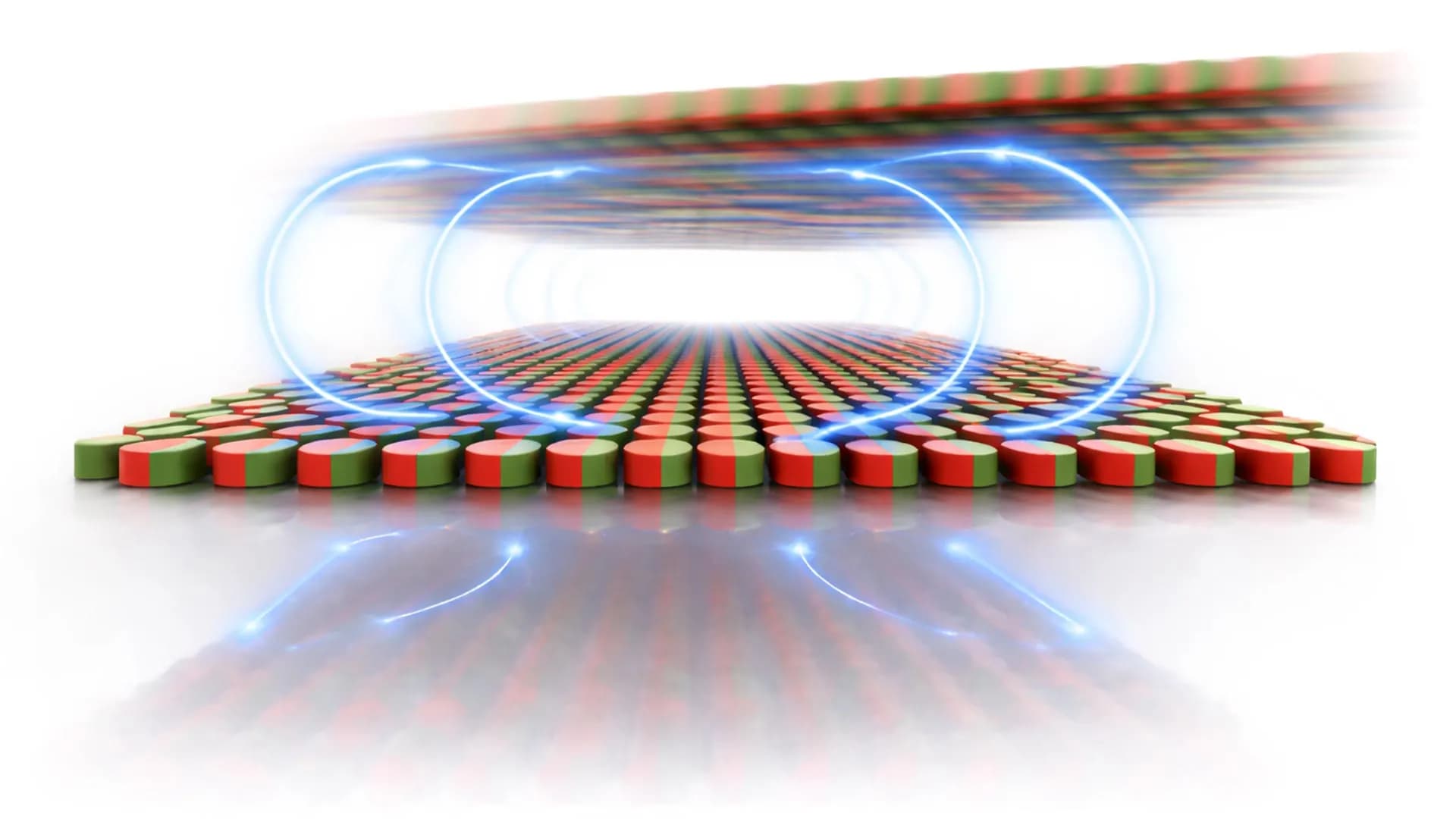
By varying the distance between these magnetic layers, the researchers could manipulate the effective load and simultaneously observe changes in the magnetic structure during movement. Hongri Gu, a key researcher in the project, stated, "By changing the distance between the magnetic layers, we could drive the system into a regime of competing interactions where the rotors constantly reorganize as they slide."
As the magnetic layers move, the magnets constantly switch between these incompatible configurations in a process known as hysteresis, where the current state of the system is influenced by its previous states. This ongoing reorganization results in heightened energy loss, which contributes to the observed peak in friction.
This research indicates that the breakdown of Amontons' law is not merely an anomaly but is intrinsically linked to the behavior of magnetic ordering during sliding. Clemens Bechinger, who oversaw the project, emphasized, "What is remarkable is that friction here arises entirely from internal reorganization. There is no wear, no surface roughness, and no direct contact. Dissipation is generated solely by collective magnetic rearrangements."
As scientists continue to explore the breadth of these findings, we can expect to see advancements in various fields including material science, electronics, and even quantum computing. The discovery of contactless friction not only enriches our understanding of physical laws but also has the potential to revolutionize technologies that rely on magnetic materials.
In conclusion, this revolutionary study at the University of Konstanz challenges long-held beliefs about friction and paves the way for future innovations in materials science, potentially affecting everything from everyday products to cutting-edge technology.
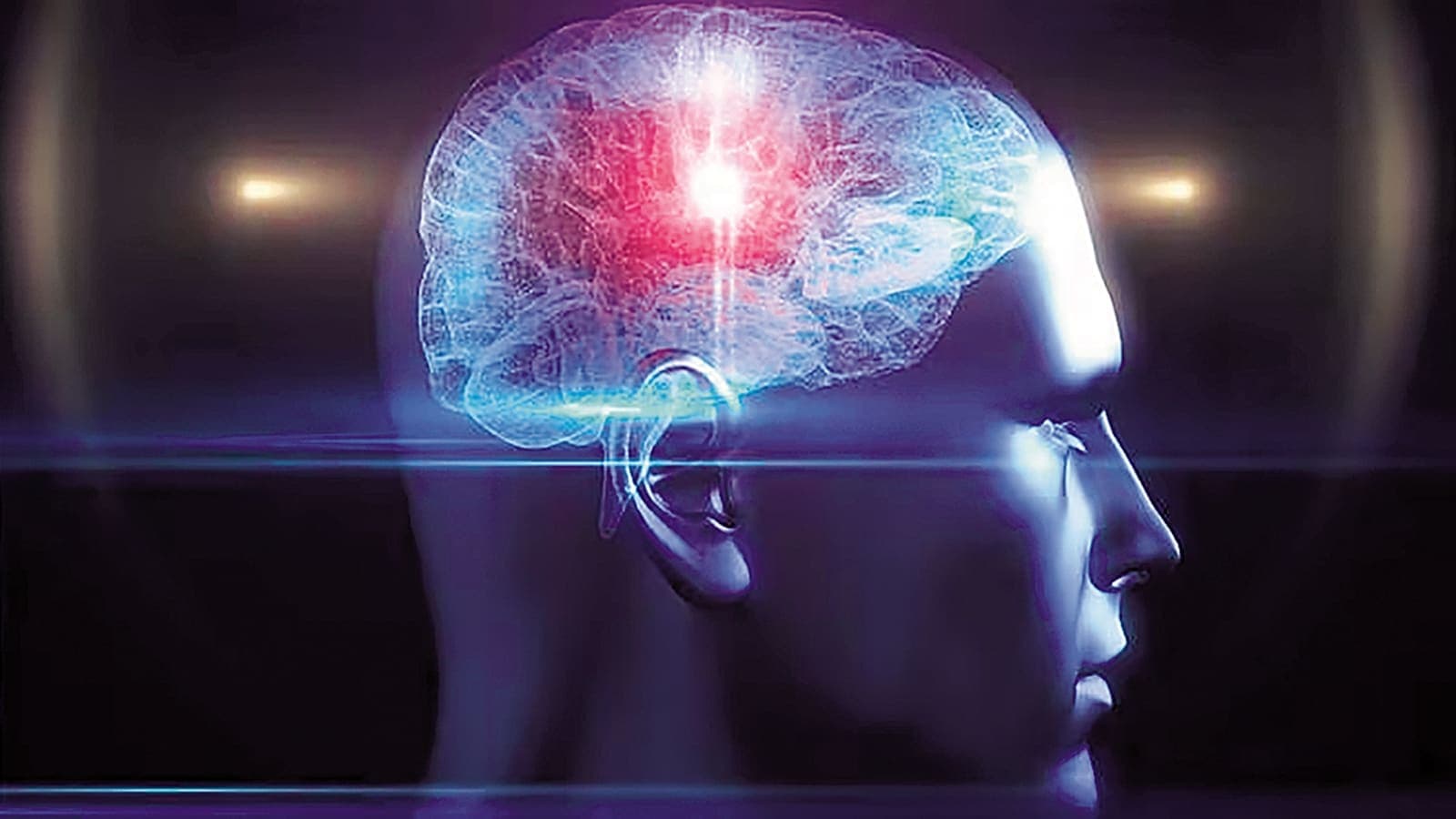
Discover how the brain protein Menin could be the key to halting cognitive decline with new research that uncovers its vital role in aging.
Indian Express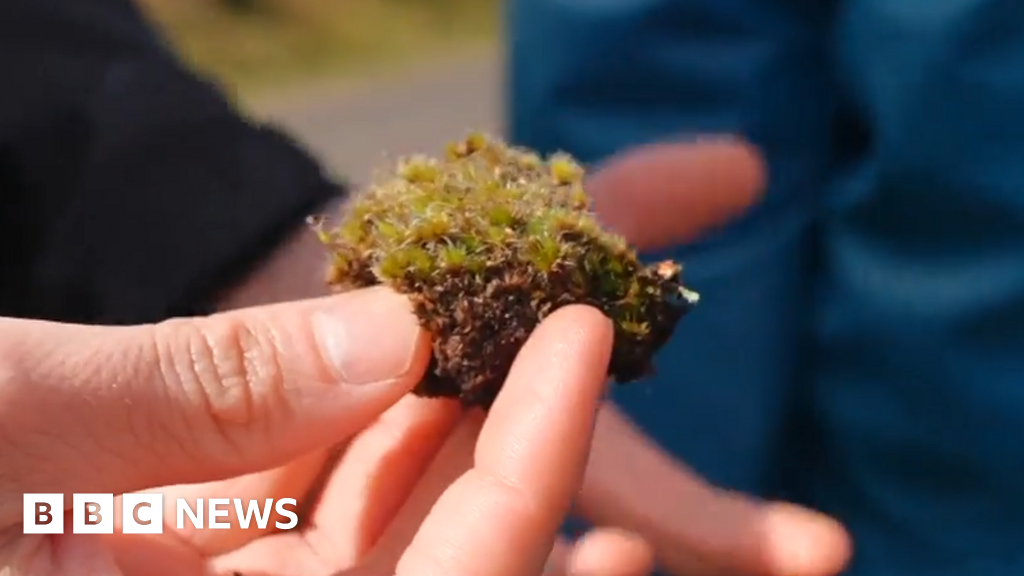
A new 'killer fungus' discovered in the UK targets invasive heath-star moss, offering hope for restoring native habitats. Will it turn the tide against invasives?
BBC Science
A Blue Origin rocket exploded during a test in Florida, prompting investigations. All personnel are safe. What does this mean for the future of space travel?
BBC Business