
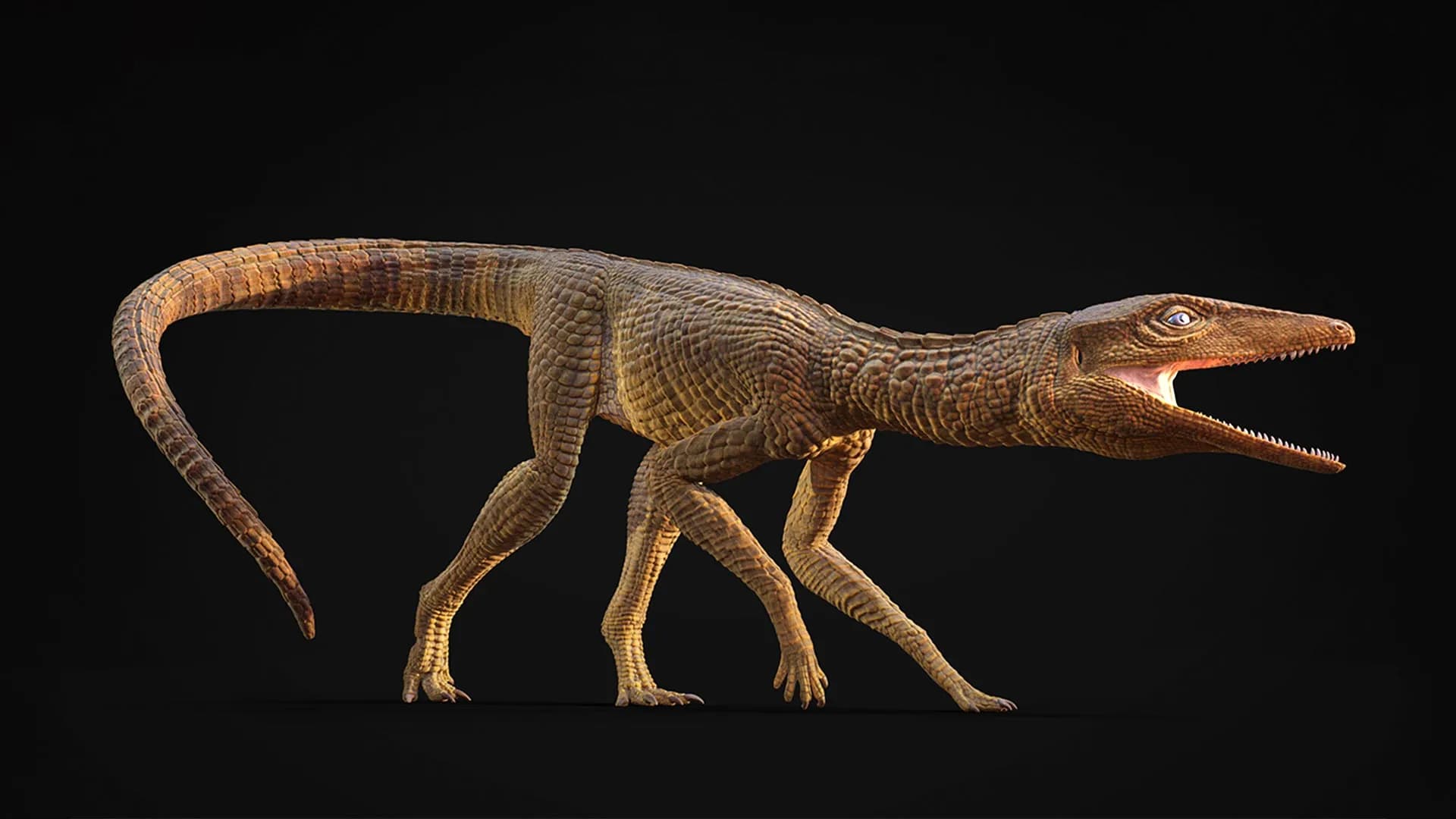
Image: Science Daily
Scientists unveil a fast-moving land-dwelling croc relative from 215 million years ago in Gloucester, UK. Discover how it changes our understanding of prehistoric life.
GlipzoThe fossilized remains reveal that this creature thrived in an environment vastly different from today's lush landscapes. During the Triassic period, the region was characterized by dry plains interspersed with elevated land, suggesting a unique ecosystem where this swift predator roamed freely, hunting small reptiles, amphibians, and early mammals. The significance of this discovery lies not only in the species itself but also in the ecological context it provides regarding life just before the Triassic-Jurassic mass extinction.
Bodenham, a PhD student at the Natural History Museum London and UCL, explained, "We named it after my secondary school physics teacher. Mr. Jones was an exceptional educator who inspired many students with his passion for sciences and his ability to challenge us to excel." This personal connection underscores the impact of mentorship in scientific discovery and education.
Ewan Bodenham elaborated on the meticulous process involved in identifying the new species, stating, "My PhD project focuses on the evolutionary relationships of early crocodiles. We conducted a thorough anatomical comparison with existing species to ascertain whether we were dealing with a known specimen or a new discovery."
The formal description of this new species appears in the scholarly article titled 'A second species of non-crocodyliform crocodylomorph from the Late Triassic fissure deposits of southwestern UK: implications for locomotory ecological diversity in Saltoposuchidae' published in The Anatomical Record. This research not only sheds light on the past but also inspires future studies aimed at uncovering the secrets of prehistoric life.
In conclusion, the recent identification of this agile crocodylomorph is not just a remarkable addition to the fossil record but a significant milestone in understanding the complexity of life during the Triassic period. As paleontologists continue their work, who knows what other extraordinary creatures await discovery in the depths of time?

Discover how the brain protein Menin could be the key to halting cognitive decline with new research that uncovers its vital role in aging.
Indian Express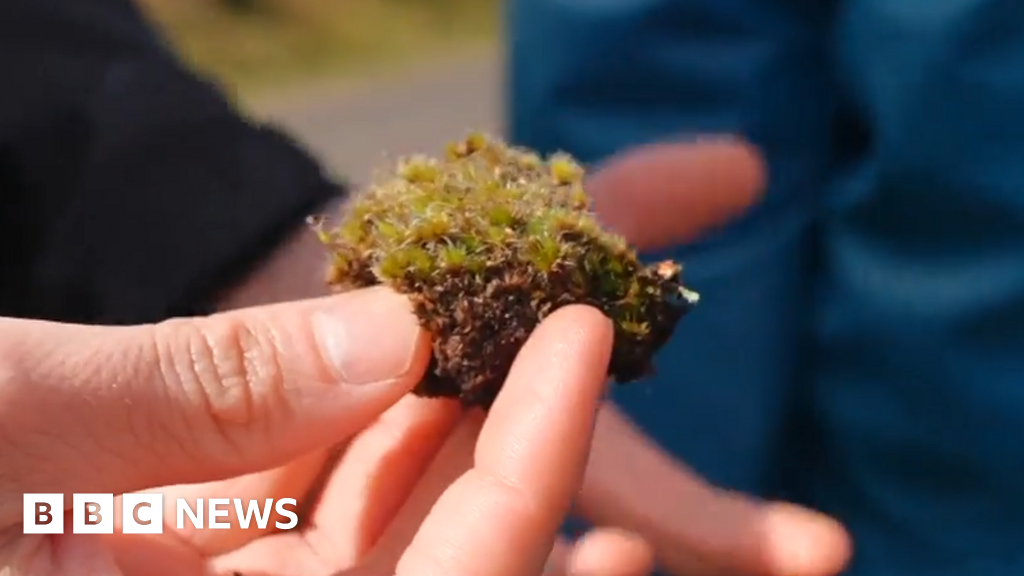
A new 'killer fungus' discovered in the UK targets invasive heath-star moss, offering hope for restoring native habitats. Will it turn the tide against invasives?
BBC Science
A Blue Origin rocket exploded during a test in Florida, prompting investigations. All personnel are safe. What does this mean for the future of space travel?
BBC Business