
Image: BBC Science
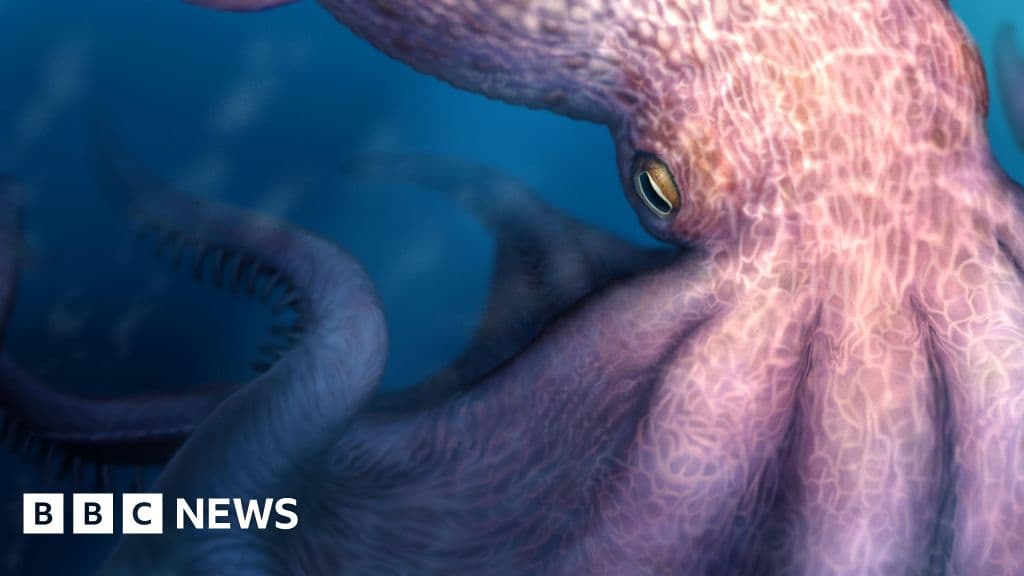
Discover the shocking truth about giant octopuses that roamed ancient seas 100 million years ago, potentially reaching lengths of 19 metres!
GlipzoIn a captivating revelation, scientists have unveiled that giant octopuses may have dominated the ancient oceans over 100 million years ago, during the era when dinosaurs were also roaming the Earth. This groundbreaking research sheds light on the potential size and predatory prowess of these formidable invertebrates, which may have reached astonishing lengths of up to 19 metres. Such a discovery challenges long-held beliefs about the hierarchy of oceanic predators during the Mesozoic era.
The study, conducted by researchers from Hokkaido University in Japan, focused on the analysis of remarkably well-preserved fossilized jaws of ancient octopuses. These findings suggest that these colossal creatures were not just bystanders in the marine ecosystem but significant predators, utilizing their powerful arms and beak-like jaws to consume a variety of prey, including the hard shells and bones of other marine animals.
For decades, the narrative in paleontology has largely favored vertebrates like fish and marine reptiles as the primary ocean predators. Invertebrates, including octopuses and squids, were often seen as secondary players in the grand scheme of ancient marine life. However, the new insights from this research flip this perspective on its head, indicating that giant octopuses were equipped to glide through ancient seas with remarkable agility and efficiency.
The analysis proposes body lengths for these prehistoric octopuses ranging from 1.5 to 4.5 metres, but when considering their long arms, the total length could extend to an astonishing 7 to 19 metres. Even at the smaller end of this spectrum, these ancient cephalopods would dwarf today’s largest octopus species, the Giant Pacific Octopus, which can reach an arm span of over 5.5 metres.
This new evidence not only highlights the size of these ancient octopuses but also their ecological significance. The fossilized jaws exhibit uneven wear, suggesting a preference for feeding from one side, a characteristic often linked to advanced cognitive functions in modern animals. This raises intriguing questions about the intelligence and hunting strategies of these ancient giants.
Modern octopuses are renowned for their intelligence and complex hunting methods, often engaging in strategic behavior to outsmart their prey. Christian Klug, a paleontologist at the University of Zurich, who reviewed the findings, noted that these ancient creatures could have used their tentacles and suckers effectively to capture large prey, including sharks exceeding a metre in length. He stated, "With their tentacles and their suckers, they could perfectly hold on to such an animal and there is no escape."
Despite these remarkable insights, many questions regarding the giant octopuses remain unanswered. The precise shape of their bodies, the size of their fins, and their swimming capabilities are still largely speculative. Furthermore, no fossils have been discovered containing stomach contents that could provide direct evidence of their diet.
Dr. Nick Longrich, a paleontologist at the University of Bath, speculated that these ancient octopuses likely preyed on ammonites, yet he emphasized their opportunistic nature, suggesting they would not hesitate to consume any viable prey available. He remarked, "It's going to take a while before we figure this thing out. It's a bit of a mystery."
The fossils of these giant octopuses offer a thrilling glimpse into a time when the oceans were ruled by massive predators equipped with formidable jaws, powerful limbs, and potentially advanced cognitive abilities. The implications of this research extend beyond mere curiosity; it challenges existing paradigms about marine life during the Mesozoic era.
As scientists delve deeper into the mysteries of these ancient creatures, the potential for further discoveries remains vast. Future research may uncover more fossil evidence that could clarify the ecological roles of these giant cephalopods and their interactions with other marine species.
Understanding the role of giant octopuses in prehistoric ecosystems not only enriches our knowledge of marine biology but also enhances our comprehension of evolutionary processes. The ability of these invertebrates to thrive as apex predators may provide insights into the adaptability and survival strategies of marine life through geological time.
As research continues and more fossils are unearthed, we can anticipate further revelations that could reshape our understanding of ancient marine ecosystems. The next steps involve not only piecing together the life of these colossal octopuses but also exploring the broader implications for the evolution of intelligence and predation in the animal kingdom.
In summary, the study of these remarkable ancient octopuses opens a window into a world long gone, revealing a narrative of survival, adaptation, and the complex dynamics of life beneath the waves. Keep an eye on future paleontological discoveries that may continue to unravel the mysteries of our planet's ancient oceans.

Discover how the brain protein Menin could be the key to halting cognitive decline with new research that uncovers its vital role in aging.
Indian Express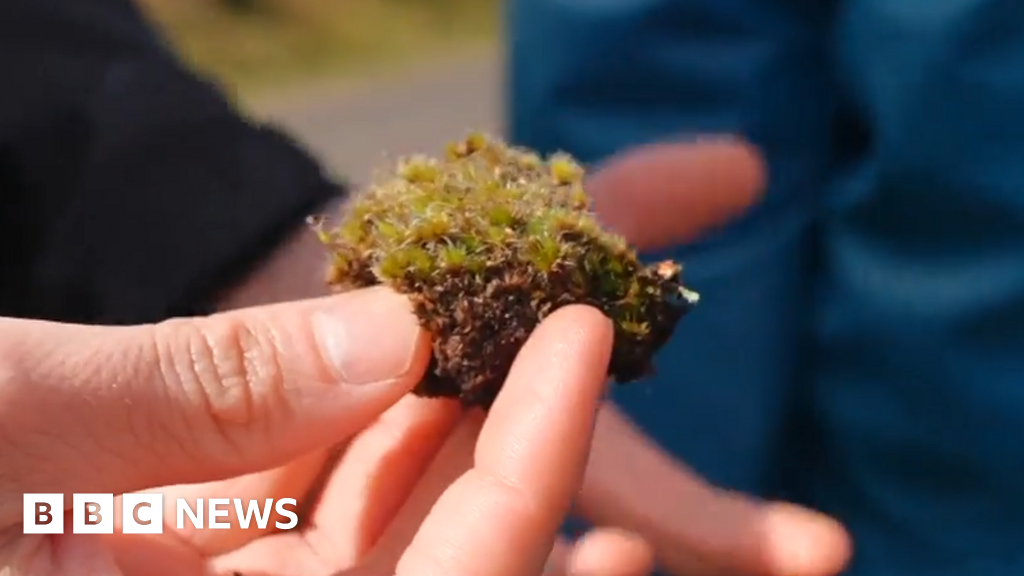
A new 'killer fungus' discovered in the UK targets invasive heath-star moss, offering hope for restoring native habitats. Will it turn the tide against invasives?
BBC Science
A Blue Origin rocket exploded during a test in Florida, prompting investigations. All personnel are safe. What does this mean for the future of space travel?
BBC Business