
Image: The Hindu
Over 200 retired officers and diplomats demand Rahul Gandhi's apology for conduct in Parliament, raising concerns over decorum and political accountability.
GlipzoIn a surprising turn of events, over 200 prominent figures have come together to demand an apology from Rahul Gandhi, the Leader of the Opposition in India’s Lok Sabha. This unprecedented call came on March 17, 2026, following allegations of his inappropriate conduct within the sacred grounds of the Parliament complex. The group, which includes retired military officers, former civil servants, and legal professionals, claims that Gandhi’s actions undermined the dignity of the parliamentary institution.
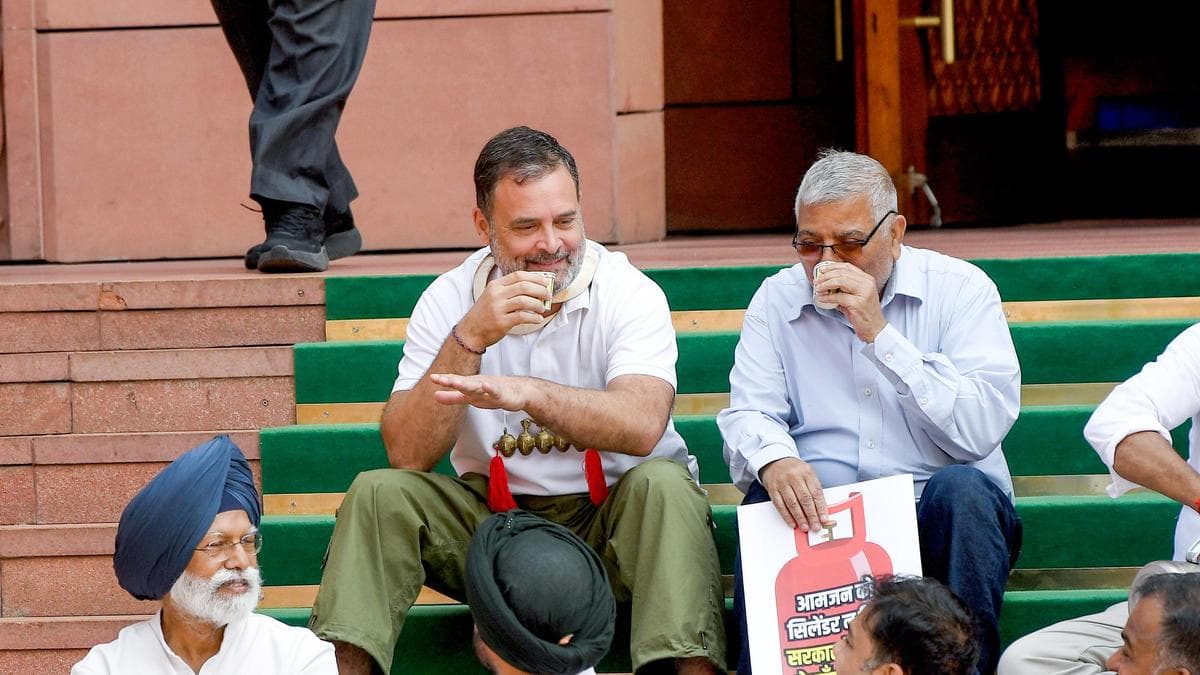
The signatories articulated their grievances through an open letter, asserting that Gandhi’s behavior during protests on March 12 was not only disrespectful but also went against the explicit directives of the Speaker of the Lok Sabha. They emphasized that such actions reflect a troubling trend of prioritizing personal political drama over institutional respect.
The letter, coordinated by S.P. Vaid, a former Director General of Police in Jammu and Kashmir, outlined specific incidents that they argue violated parliamentary decorum. They stated that Gandhi, along with other opposition MPs, participated in a protest on the steps of Parliament, contrary to the Speaker’s clear instructions prohibiting such demonstrations.
The signatories, which include 116 retired armed forces officers and 84 former bureaucrats, noted that the steps of Parliament should not serve as a stage for political theatrics. They described Gandhi’s actions as “wholly unbecoming” of a member of the nation’s highest legislative body, insisting that such behavior compromises the integrity of democratic processes.
The demand for an apology is not merely a reaction to Gandhi’s behavior but also highlights a growing concern among influential citizens regarding the frequent disruptions in Parliament. The letter points out that continued protests and disruptions not only tarnish the image of the institution but also hinder its functionality, thereby affecting legislative progress.
The collective voice of these 204 individuals underscores a serious sentiment among citizens about the importance of maintaining the decorum and dignity of the parliamentary process. They argue that when leaders prioritize personal agendas over institutional respect, it sets a concerning precedent that could impact the future of governance in India.
This incident raises critical questions about the state of Indian politics and the role of opposition leaders. The demand for accountability from influential figures suggests a growing unease with the current political climate, where protests within Parliament are increasingly common. Such actions can lead to a perception of chaos and instability, which may alienate the electorate and undermine trust in the democratic process.
The consequences of this situation extend beyond the immediate need for an apology. It also invites scrutiny of how opposition parties conduct their protests and how effectively they can balance their role as challengers to the ruling government while maintaining respect for institutional frameworks.
As the political landscape evolves, all eyes will be on Rahul Gandhi and the opposition's response to this collective demand. Will he issue an apology, or will he stand firm in his position? This situation could serve as a turning point for future protests and the decorum expected within the Parliament. Observers will be keen to see if this incident catalyzes a broader discussion about the behavior of elected officials and the expectations of parliamentary conduct in India.
In conclusion, as the political discourse continues to unfold, the demand for a formal apology from Rahul Gandhi highlights the delicate balance between protest and respect within one of the world's largest democracies. The implications of this incident could resonate throughout the Indian political arena, shaping how future engagements are approached by both opposition and ruling parties.

Tensions soar as the US and Iran engage in air strikes near the Strait of Hormuz, raising concerns over global oil supply and regional stability.
BBC World
Trump's international interventions face serious stalemates. What will this mean for U.S. foreign policy? Explore the critical challenges ahead.
Indian Express
Tehran denies resignation of President Masoud Pezeshkian amid claims of IRGC influence. What does this mean for Iran's political stability? Click to learn more!
Indian Express