

Image: Times of India
Delhi woke up to January-like fog in March after heavy rainfall. Discover why this unusual weather matters for climate change and urban life.
GlipzoOn March 15, 2023, the capital city of India, Delhi, experienced an unexpected atmosphere reminiscent of the winter month of January. Residents awoke to a thick blanket of fog enveloping the city, creating a surreal landscape that left many in awe. This unusual weather pattern follows a significant downpour that occurred the previous day, resulting in a damp and misty morning.
Meteorologists attribute this unexpected fog to several factors. First and foremost, the residual moisture from the recent rainfall has contributed significantly to the humidity levels in the air. Combined with humid winds that swept across the region, this moisture has created ideal conditions for fog formation. Additionally, the clear night sky allowed for a rapid cooling of temperatures, further intensifying the fog's presence.
This phenomenon poses a fascinating case study for climatologists and weather enthusiasts alike, as it highlights the intricate dynamics of weather patterns in urban environments. Fog, while common in winter months, is less typical for this time of year, raising questions about seasonal weather trends and climate change.
The foggy conditions have led to various disruptions across the city. Visibility was significantly reduced, causing delays and complications in transportation. Flight operations at the Indira Gandhi International Airport and train services faced interruptions, with several flights and trains either delayed or canceled due to safety concerns. Local commuters experienced extended travel times as they navigated through the murky conditions.
The unusual fog in March raises critical questions about the changing climate that urban areas like Delhi are facing. With its densely populated environment, the impacts of weather fluctuations can be profound, affecting everything from daily commutes to public health. The recent rainfall, while beneficial for water supply, also raises concerns about urban flooding and the infrastructure's ability to cope with sudden weather changes.
Moreover, this weather phenomenon serves as a reminder of the importance of ongoing climate research and adaptation strategies. As cities continue to grow and climate conditions evolve, understanding these shifts becomes increasingly vital for planning and management.
As the days progress, weather experts anticipate that the fog will gradually dissipate as temperatures rise and the sun breaks through the clouds. However, the lingering effects of the previous rain may continue to impact air quality and humidity levels in the short term. Residents are advised to stay updated on weather forecasts and travel advisories as conditions can change rapidly.
In conclusion, the foggy morning of March 15 not only transformed Delhi’s landscape but also highlighted the city’s vulnerabilities to changing weather patterns. As residents navigate this unusual phenomenon, it serves as a critical reminder of the broader implications of climate change and the importance of resilience in urban planning. Moving forward, staying informed and adaptable will be key as Delhi continues to face the challenges posed by its dynamic climate.
As climate patterns shift, cities around the world, including Delhi, must adapt to the realities of unpredictable weather. This unexpected January-like fog reminds us of the delicate balance between nature and urban life. The next few days will be crucial in determining how the city adjusts to these changes and what measures will be taken to enhance urban resilience against future weather anomalies.

Discover how the brain protein Menin could be the key to halting cognitive decline with new research that uncovers its vital role in aging.
Indian Express
A new 'killer fungus' discovered in the UK targets invasive heath-star moss, offering hope for restoring native habitats. Will it turn the tide against invasives?
BBC Science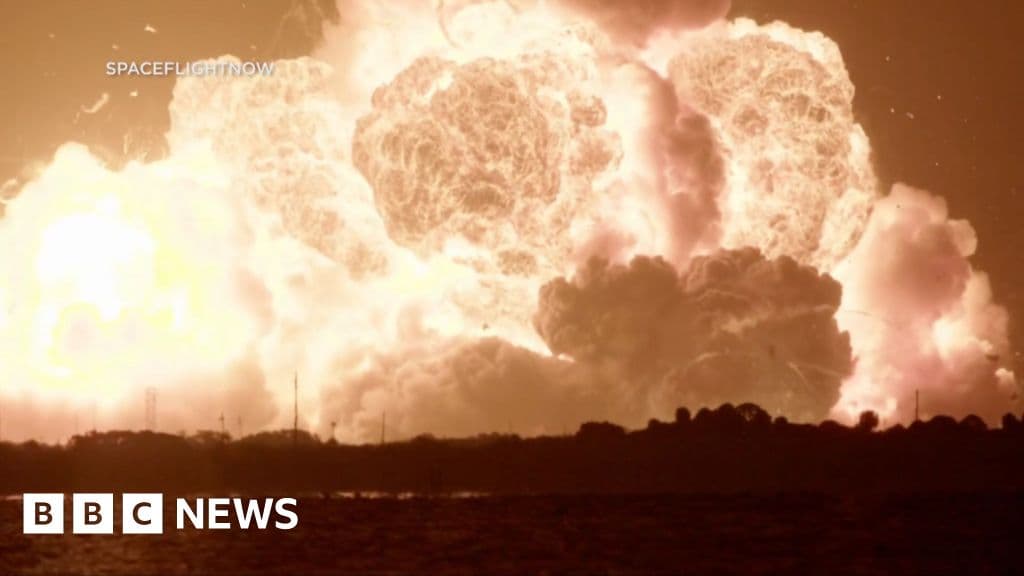
A Blue Origin rocket exploded during a test in Florida, prompting investigations. All personnel are safe. What does this mean for the future of space travel?
BBC Business