
Image: BBC Science
A 50-year survey reveals over half of the UK's butterfly species are declining, highlighting urgent conservation needs amid habitat loss and climate change.
GlipzoA volunteer-led survey spanning 50 years has unveiled a troubling trend: over 50% of the butterfly species in the UK are experiencing significant declines. The findings, drawn from the UK Butterfly Monitoring Scheme, reveal that out of the 59 butterfly species in the UK, a staggering 33 have decreased since monitoring began in 1976. This alarming revelation underscores the urgent need for conservation efforts as these beautiful insects face a precarious future.
The UK Butterfly Monitoring Scheme, spearheaded by the Butterfly Conservation organization based in Wareham, has amassed an impressive 44 million records over its decades of volunteer surveys. These dedicated individuals have traversed over 7,600 sites, contributing to monitoring that covers the equivalent distance of 40 times around the globe. The sheer scale of this initiative highlights the commitment of volunteers and the importance of citizen science in tracking biodiversity.
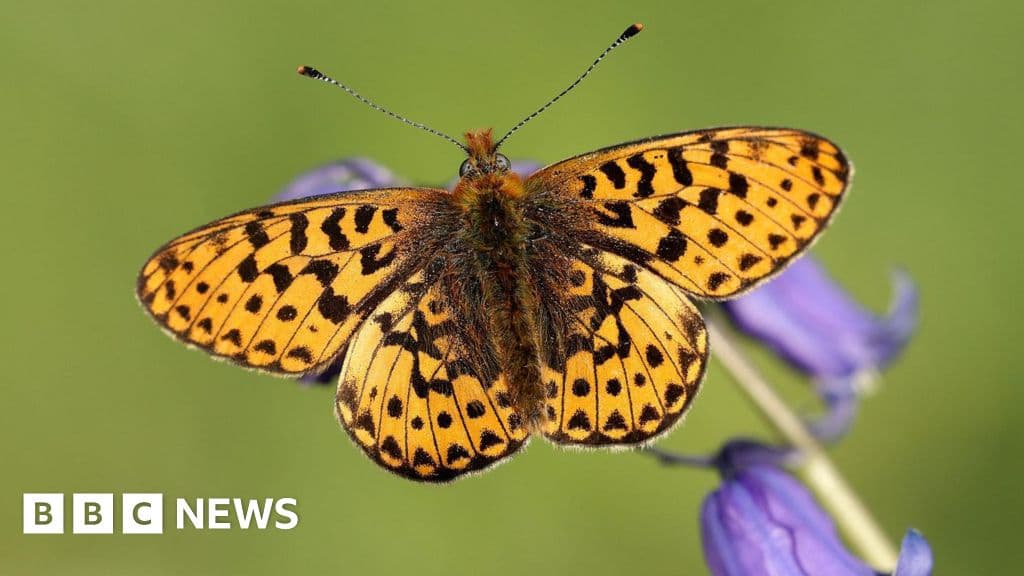
Experts pinpoint several critical factors driving the long-term decline of these species. Habitat loss, pollution, and climate change are considered the primary culprits, particularly affecting rarer species that depend on specific environments. For instance, species like the Pearl-bordered Fritillary have plummeted by 70% since the start of the survey, while the White-letter Hairstreak has seen an astonishing 80% decline.
In contrast, some adaptable species have shown resilience and even increased in numbers. The Red Admiral, for example, has thrived, boasting a 300% increase in population as rising temperatures allow it to survive year-round in the UK. This juxtaposition of fortunes among different species underscores the complex dynamics of butterfly populations in response to environmental changes.
Despite 2025 being heralded as the sunniest year on record, the overall butterfly population ranked only 20th out of the past 50 years—a clear indication that sunshine alone is not sufficient for the survival of these insects. Professor Richard Fox, a representative from Butterfly Conservation, emphasizes the significance of these figures, stating they reflect “what type of wildlife is able to survive in the UK's modern landscapes.” This perspective invites a deeper consideration of how changing landscapes influence wildlife health.
The urgent need for habitat restoration has never been more apparent. Professor Fox stresses that rejuvenating natural environments is essential to reversing these declines. The data presents a compelling case for conservation initiatives, as the loss of butterfly species can have cascading effects on ecosystems, given their role as pollinators and indicators of environmental health.
The decline of butterfly species is not just an ecological issue; it reflects broader environmental challenges impacting biodiversity as a whole. Butterflies are vital indicators of ecosystem health, and their diminishing numbers signal potential crises in other wildlife populations. Thus, monitoring programs like the UK Butterfly Monitoring Scheme play a pivotal role in understanding and addressing these issues.
As communities and policymakers grapple with climate change, pollution, and habitat destruction, the plight of butterflies serves as a poignant reminder of the urgent need for concerted conservation efforts. The information gleaned from these long-term surveys can guide policy decisions, inform land management practices, and rally public support for wildlife protection.
The findings from the UK Butterfly Monitoring Scheme serve as a clarion call for action. Moving forward, it is crucial to prioritize habitat restoration and develop strategies that mitigate the impacts of pollution and climate change. Engaging local communities in conservation efforts can also foster a sense of stewardship and inspire grassroots initiatives.
As we look to the future, several key areas warrant attention: - Habitat Restoration: Initiatives to revitalize natural landscapes will be vital for butterfly survival. - Public Awareness: Raising awareness about the importance of butterflies in ecosystems can galvanize support for conservation efforts. - Research and Monitoring: Continued investment in monitoring programs can help track the effectiveness of conservation strategies and adapt them as needed.
In conclusion, the fate of the UK's butterflies hangs in the balance. With urgent conservation efforts and community involvement, there is hope for reversing these declines and ensuring that future generations can enjoy the beauty and ecological significance of these remarkable insects.

Discover how the brain protein Menin could be the key to halting cognitive decline with new research that uncovers its vital role in aging.
Indian Express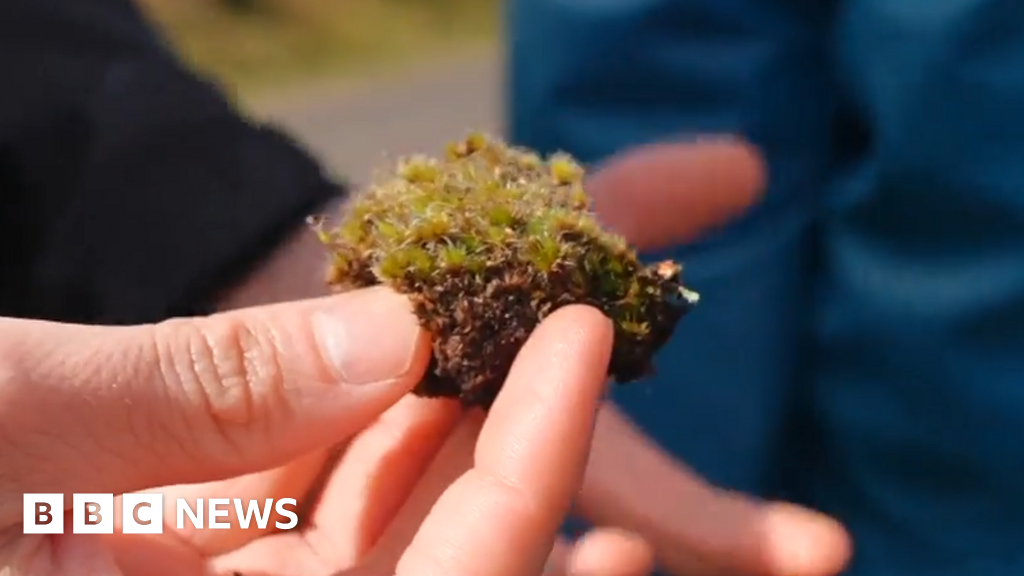
A new 'killer fungus' discovered in the UK targets invasive heath-star moss, offering hope for restoring native habitats. Will it turn the tide against invasives?
BBC Science
A Blue Origin rocket exploded during a test in Florida, prompting investigations. All personnel are safe. What does this mean for the future of space travel?
BBC Business