
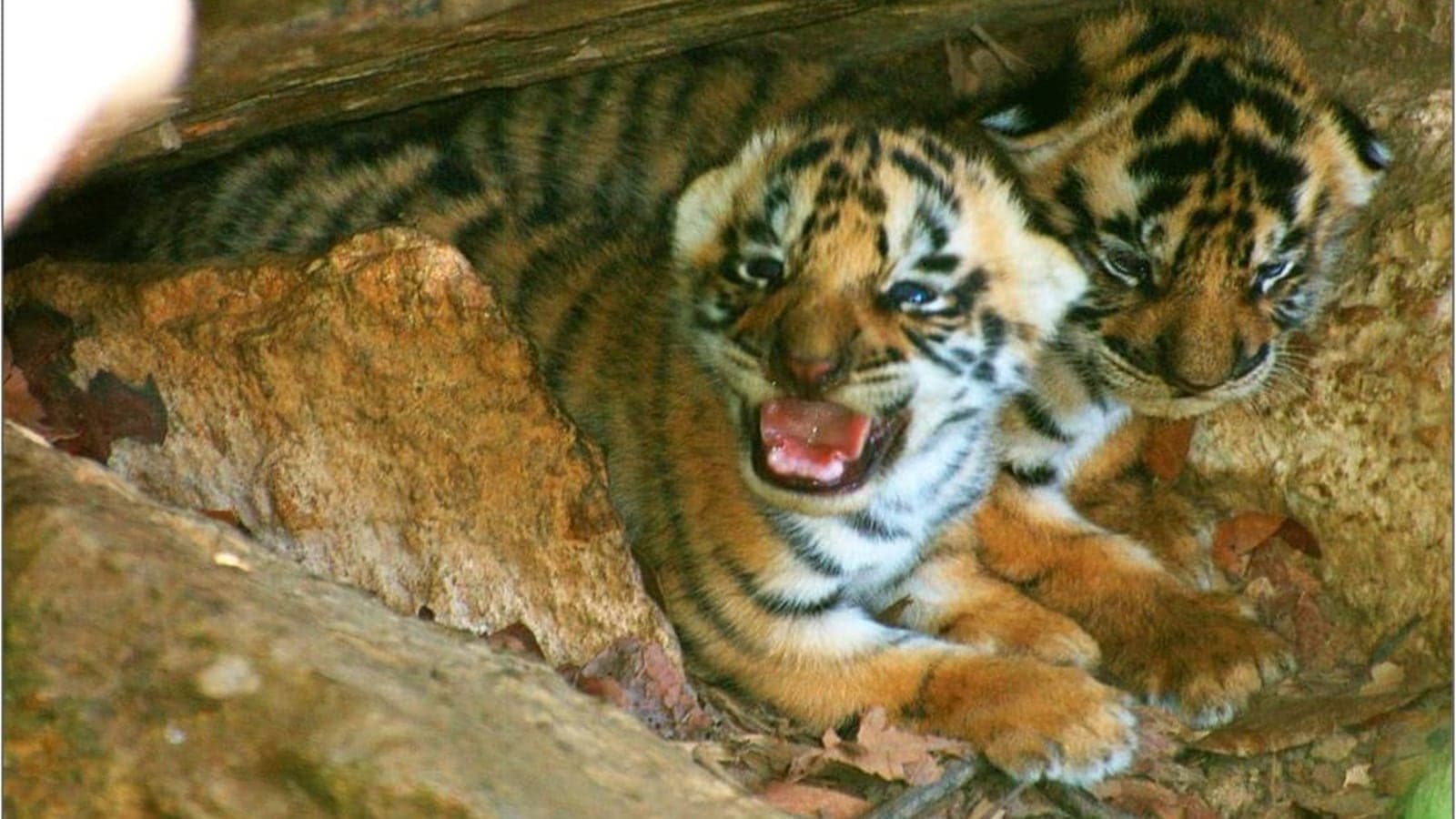
Image: Indian Express
Two tiger cubs die in Kanha Reserve, raising urgent questions about wildlife monitoring protocols. What does this mean for tiger conservation?
GlipzoIn a heart-wrenching incident, two tiger cubs from the same litter have tragically died within a span of just three days at the Kanha Tiger Reserve, one of India's premier wildlife sanctuaries. This alarming situation has sparked significant concern regarding the effectiveness of monitoring systems for the breeding tigresses in this heavily protected environment.
The first cub was discovered dead in the Sargi area of the reserve's core zone on Thursday evening, with estimates placing its age between one and one-and-a-half years. This followed the death of another cub just three days prior, leaving only two surviving siblings from the original litter of four. The Deputy Director of the reserve, Amitha B, confirmed the incidents to The Indian Express, stating, "We will conduct a post-mortem to ascertain the cause of death."
While it is not unusual for cub mortality to occur in the wild, particularly within the first year of life, the loss of two sub-adult tigers in such close succession raises critical questions about the field surveillance and early warning systems in place at Kanha. Generally, cubs at this stage are moving towards independence but still rely on their mother for sustenance and the stability of their territory for survival.
Following the deaths, officials have indicated that both the tigress and the remaining cubs are under close observation. However, they have not provided specifics regarding the frequency of monitoring that occurred prior to these unfortunate events. Important indicators, such as decreased movement, poor physical condition, or a drop in prey encounters, should have been flagged by the monitoring systems.
Typically, the protocols for monitoring a tigress with cubs involve: - Near-daily tracking through ground surveillance and camera traps - Mapping of movement ranges to observe territorial behavior - Regular assessment of prey density within the tigress's immediate area
Any deviation from these norms, including the tigress's prolonged absence or any signs of injury, should prompt immediate verification by field teams.
When a cub dies, wildlife officials are expected to act swiftly. The established protocol includes: - Immediate securing of the death site - Forensic documentation of the scene - Timely post-mortem examinations conducted by veterinary teams in the presence of officials to ascertain the cause of death
Additionally, if poisoning or disease is a possibility, tissue and viscera samples must be preserved for toxicological analysis. The remaining cubs and the mother should then be placed under intensified observation, often involving round-the-clock tracking to avert further losses.
The loss of these cubs not only raises concerns about the operational efficacy of monitoring systems but also highlights the challenges faced in wildlife conservation. The Kanha Tiger Reserve, renowned for its biodiversity and conservation efforts, must now confront the reality that even in protected areas, wildlife can face threats that compromise their survival.
The deaths of these tiger cubs serve as a stark reminder of the fragility of wildlife populations, even in environments designed to protect them. Understanding the reasons behind these losses is crucial for ensuring the survival of tigers in the wild, especially as human encroachment and habitat loss continue to threaten their existence.
As the investigation into the cub deaths unfolds, several key factors will be critical to watch: - The results of the post-mortem examinations and potential findings related to the cause of death. - Implementations of revised monitoring and surveillance protocols to enhance the safety and health of the remaining cubs and their mother. - Broader implications for wildlife conservation efforts in India, particularly in relation to tiger populations.
Moving forward, stakeholders in wildlife conservation must prioritize the establishment of robust monitoring systems that can effectively respond to early warning signs. This incident at Kanha serves as a vital wake-up call to the ongoing challenges facing conservationists and wildlife officials alike, as they strive to protect one of the planet's most majestic species from further decline.

Discover how the brain protein Menin could be the key to halting cognitive decline with new research that uncovers its vital role in aging.
Indian Express
A new 'killer fungus' discovered in the UK targets invasive heath-star moss, offering hope for restoring native habitats. Will it turn the tide against invasives?
BBC Science
A Blue Origin rocket exploded during a test in Florida, prompting investigations. All personnel are safe. What does this mean for the future of space travel?
BBC Business