
Image: Mint (Business)
Ali Larijani's death raises questions about Iran's future leadership. Discover the Larijani family's political legacy and implications for the nation.
GlipzoAs news spread, it was revealed that Israel had announced Larijani’s death earlier in the day, but Iranian officials took several hours to confirm this tragic event. His passing marks a significant moment in Iranian politics, as many viewed him as a potential successor in the wake of heightened hostilities.
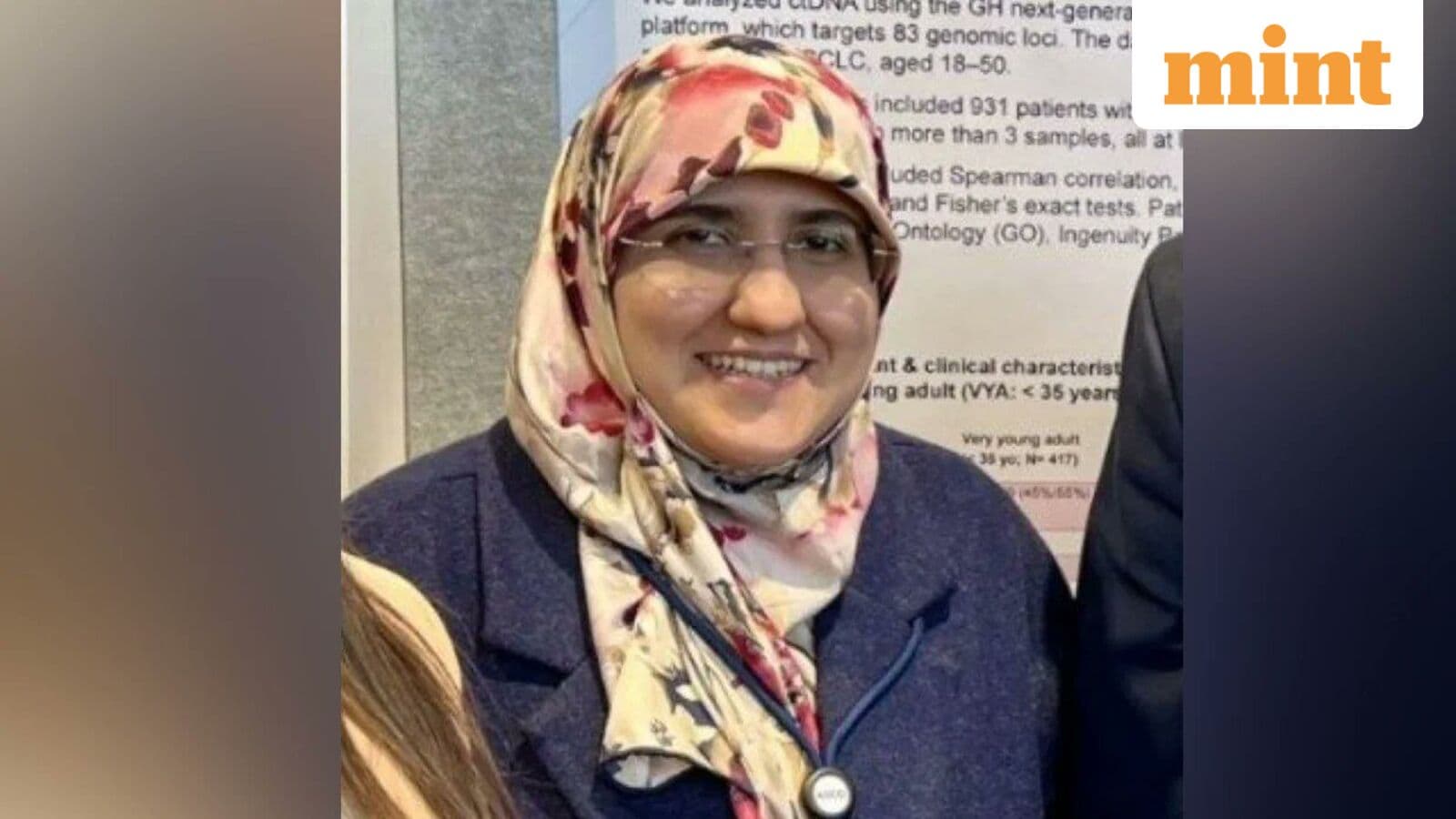
Fatemeh Ardeshir Larijani is a notable figure in her own right, having worked as an Assistant Professor at Emory University's medical school in Atlanta, Georgia. With a specialization in oncology, she has trained extensively in the United States, holding positions at University Hospitals Cleveland and later at Emory's Winship Cancer Institute. In 2021, she received a green card under the Biden administration, allowing her to continue her career in the U.S.
In contrast, her brother Morteza was reportedly killed alongside their father in the recent airstrike, marking a devastating loss for the family. Morteza was believed to have been deeply involved in his father’s political endeavors, serving as a close aide.
His family heritage is rooted in political power, with his father, Grand Ayatollah Mirza Hashem Amoli, recognized as a respected jurist. This lineage has provided Ali Larijani and his siblings with considerable credibility and authority in the Iranian political arena. His brother Sadeq Larijani previously led Iran’s judiciary, while another brother, Mohammad Javad, served in senior diplomatic roles.
Kambiz Ghafouri, a human-rights advocate, stated, “They made Iran a hell for Iranian citizens and sent their children to the West to live happily. If there were a referendum on whether people want the children of the Iranian authorities sent back to Iran, I think more than 90% would say yes.” This sentiment resonates with many who feel disenfranchised by the decisions of those in power.
As Iran navigates through these turbulent times, the implications of Larijani's death will likely reverberate throughout the nation, influencing both domestic policies and international relations. Observers will be keenly watching to see how the Iranian government responds and who will fill the power vacuum left by Larijani and other recent political casualties.
In conclusion, the Larijani family's legacy is not just one of power and influence but also a reflection of the broader challenges facing Iranian society today. As the nation grapples with leadership changes and public discontent, the future remains uncertain, yet undeniably pivotal for the people of Iran.

Tensions soar as the US and Iran engage in air strikes near the Strait of Hormuz, raising concerns over global oil supply and regional stability.
BBC World
Trump's international interventions face serious stalemates. What will this mean for U.S. foreign policy? Explore the critical challenges ahead.
Indian Express
Tehran denies resignation of President Masoud Pezeshkian amid claims of IRGC influence. What does this mean for Iran's political stability? Click to learn more!
Indian Express