

Image: Times of India
India's beloved spring season is vanishing due to climate change. Discover the cultural and agricultural impacts of this alarming trend.
GlipzoSpring in India, often celebrated as a vibrant season filled with festivals, colors, and new beginnings, is facing an unprecedented threat. Traditionally, this time of year has been a gentle transition from the chilly winter months to the scorching summer heat. However, recent climatic shifts are altering this balance, leading to a rapid disappearance of this beloved season.
With winters warming and heatwaves arriving earlier than usual, the essence of spring is fading. This transformation is not merely a weather phenomenon; it’s a significant cultural and agricultural shift that could affect millions across the country. As temperature records continue to be shattered, the implications for both nature and society are profound and alarming.
Over the past few years, India has witnessed a disturbing trend of early heatwaves and rising temperatures, hinting at a serious shift in its climatic patterns. In fact, data shows that the average temperature during spring months has been increasing, leading to a shortened season that once brought relief after the winter chill.
This dramatic change in the climate landscape not only impacts agriculture but also alters the way communities celebrate life, turning joyous spring festivals into a mere shadow of their former selves.
The essence of spring in India is deeply rooted in cultural practices and celebrations. Festivals such as Holi, which marks the arrival of spring, are under threat due to irregular weather patterns. The traditional joy of these celebrations is being overshadowed by concerns over heat and drought, making it difficult for communities to fully embrace the season.
As the cultural significance of spring diminishes, younger generations may find themselves detached from traditions that once defined their heritage. The loss of this season could lead to: - A decline in traditional knowledge related to agriculture and seasonal cycles. - A shift in community dynamics as gatherings and festivals become less frequent or are altered significantly. - Increased pressure on farmers who rely on the stability of seasonal changes for successful harvests.
Agriculture, the backbone of India’s economy, is facing a crisis as climate change disrupts traditional farming cycles. The shortening spring is causing delays in planting seasons, affecting crop yields and food security.
Farmers who once relied on the predictable rhythm of seasons are now grappling with unpredictability, which can result in lower yields and increased financial pressure. This could lead to a cycle of poverty in rural areas as families struggle to adapt to the new climate realities.
The implications of a disappearing spring extend beyond cultural and agricultural impacts. This shift in climate can exacerbate social inequalities, with vulnerable populations bearing the brunt of these changes. It serves as a wake-up call for policymakers to take immediate action against climate change.
As India grapples with these challenges, the need for sustainable practices and climate adaptation strategies is more vital than ever. Policymakers and communities must work together to address the impacts of climate change on agriculture and cultural traditions.
As the effects of climate change continue to unfold, the urgency to protect India's cherished spring and its cultural significance has never been greater. The actions taken today will determine the future of this vibrant season and the traditions that depend on it.

Discover how the brain protein Menin could be the key to halting cognitive decline with new research that uncovers its vital role in aging.
Indian Express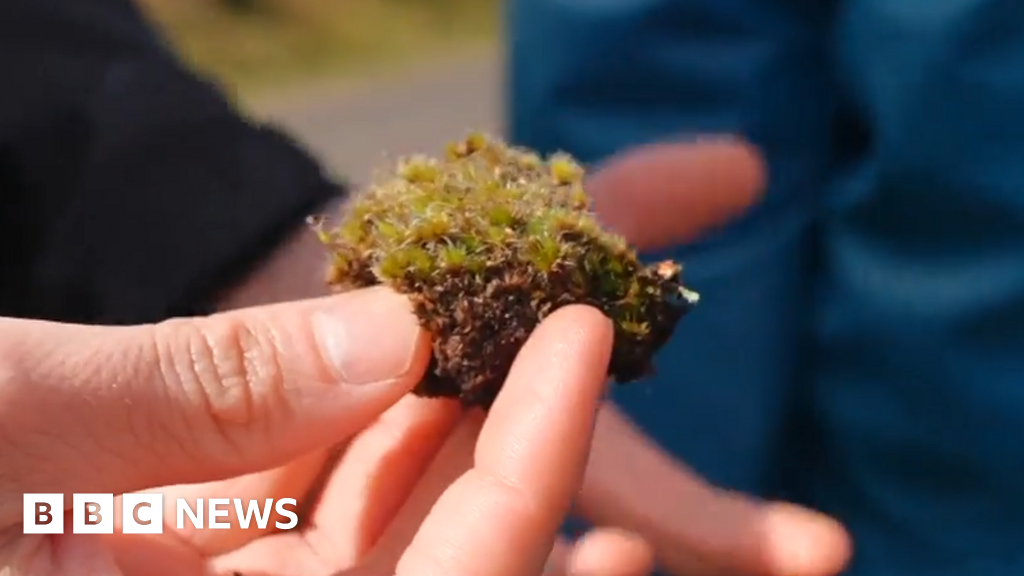
A new 'killer fungus' discovered in the UK targets invasive heath-star moss, offering hope for restoring native habitats. Will it turn the tide against invasives?
BBC Science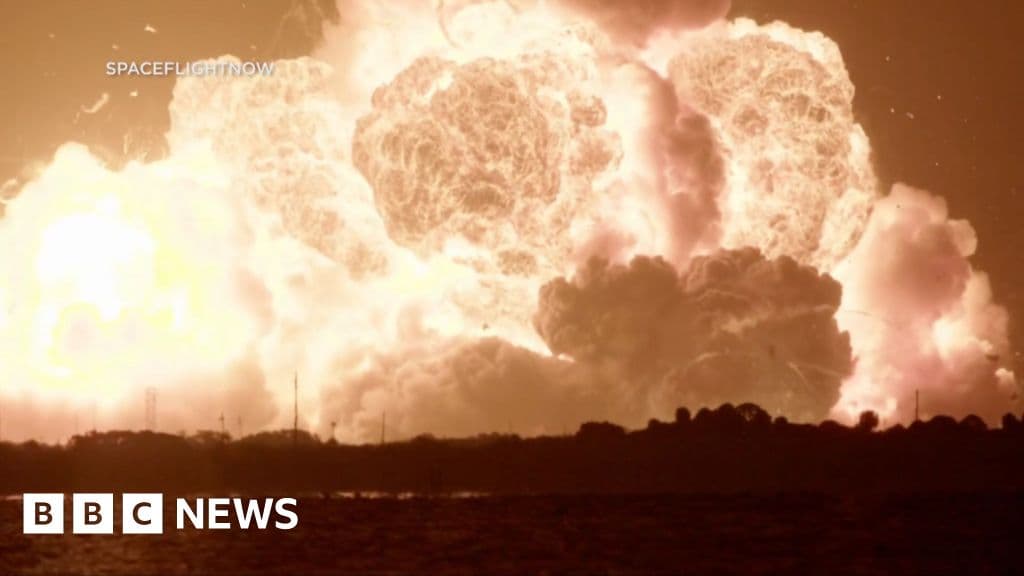
A Blue Origin rocket exploded during a test in Florida, prompting investigations. All personnel are safe. What does this mean for the future of space travel?
BBC Business