

Image: The Verge
Uncover the truth behind the viral claim that AI cured a dog’s cancer. Discover the complexities and realities of using technology in medicine.
GlipzoIn 2024, Paul Conyngham from Sydney faced every pet owner's worst nightmare when he discovered that his beloved dog, Rosie—a Staffordshire bull terrier and Shar Pei mix—had cancer. After undergoing chemotherapy, which unfortunately failed to shrink her tumors, Conyngham was devastated when veterinarians told him that nothing more could be done. Determined to find a solution, he turned to technology for help.
After receiving her first injection in December 2024, Rosie reportedly showed signs of improvement, with her tumors shrinking and an increased quality of life, including chasing rabbits in the park. Conyngham expressed his cautious optimism, stating, “I’m under no illusion that this is a cure, but I do believe this treatment has bought Rosie significantly more time and quality of life.”
However, such representations oversimplified the situation. While Conyngham utilized AI tools to assist in his research, the reality is that human researchers were instrumental in developing and administering Rosie’s treatment. The mRNA vaccine was not the sole factor in her improvement; it was given alongside another form of immunotherapy known as a checkpoint inhibitor, complicating the assessment of its effectiveness.
Furthermore, experts have raised concerns about the use of AlphaFold, Google’s protein structure prediction AI, in this context. David Ascher, a professor at the University of Queensland, clarified that while AlphaFold can offer insights into protein structures, it is not equipped to design cancer vaccines independently. According to Ascher, the model's limitations include not being validated for predicting the effects of certain mutations and lacking the ability to model critical biological contexts.
Going forward, we should watch for: - Further studies on the effectiveness of personalized mRNA vaccines in veterinary medicine. - Ethical discussions surrounding the role of AI in healthcare and the responsibilities of tech companies. - Regulatory frameworks that will govern the use of AI in clinical settings to ensure patient safety.
In summary, while the story of Rosie demonstrates the potential of technology in improving lives, it also serves as a reminder of the importance of scientific rigor and the need to critically assess claims surrounding AI’s role in healthcare.
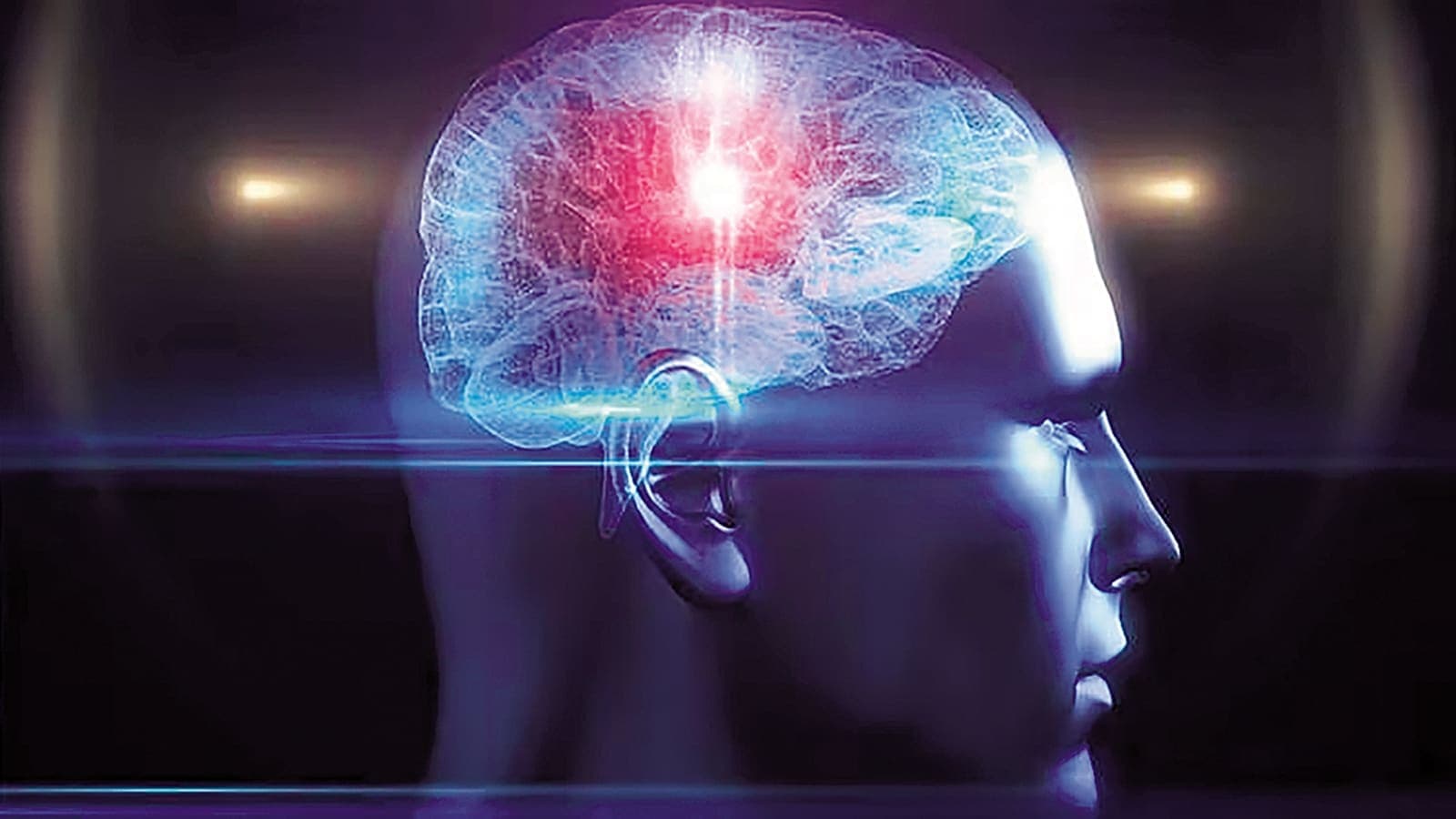
Discover how the brain protein Menin could be the key to halting cognitive decline with new research that uncovers its vital role in aging.
Indian Express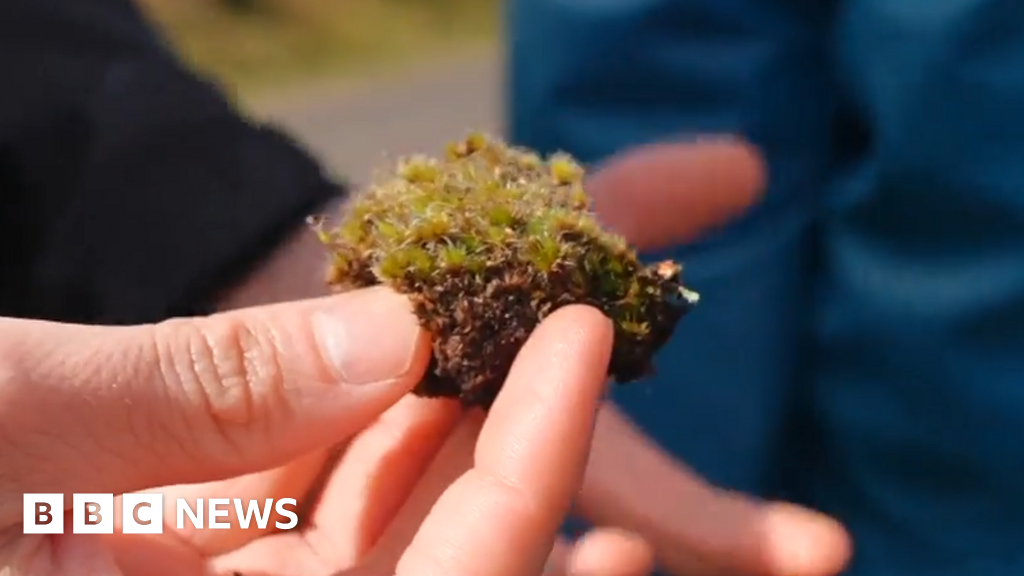
A new 'killer fungus' discovered in the UK targets invasive heath-star moss, offering hope for restoring native habitats. Will it turn the tide against invasives?
BBC Science
A Blue Origin rocket exploded during a test in Florida, prompting investigations. All personnel are safe. What does this mean for the future of space travel?
BBC Business