
Image: BBC Science
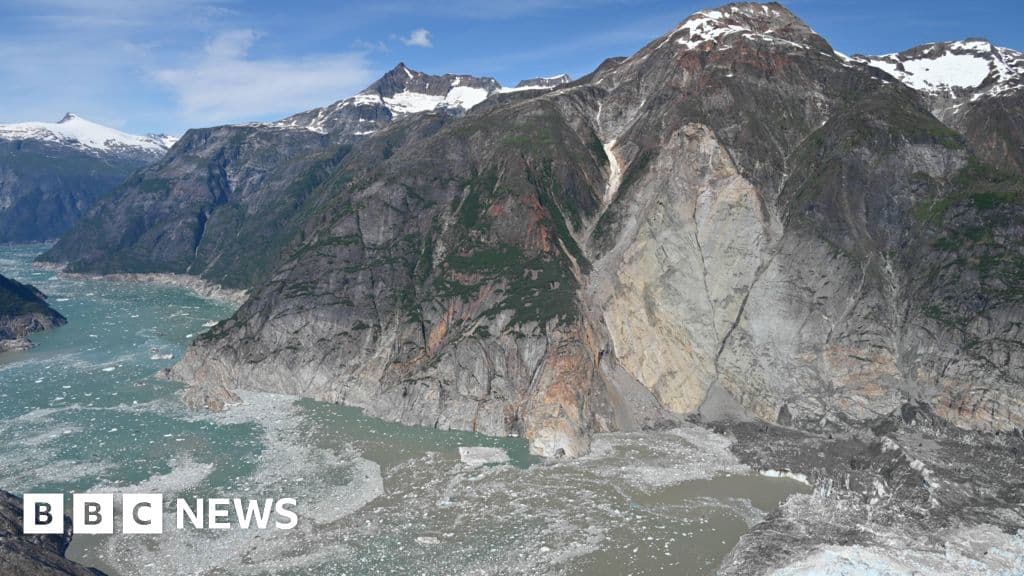
A massive megatsunami in Alaska, the second largest ever, highlights risks of climate change as scientists urge enhanced monitoring and safety measures.
GlipzoThe tsunami, which went largely unnoticed at the time, unleashed its fury in the early morning hours, fortunately avoiding the presence of tourist cruise ships that typically navigate these waters. According to researchers, this megatsunami was a staggering 500 meters high, a result of 64 million cubic meters of rock crashing into the fjord—an amount equivalent to the weight of 24 Great Pyramids.
Dr. Bretwood Higman, an Alaskan geologist who inspected the aftermath at Tracy Arm Fjord, described the scene as alarming. He noted, "We know that there were people that were very nearly in the wrong place. I'm quite terrified that we're not going to be so lucky in the future." His observations reveal the precarious balance between nature's beauty and its potential for destruction.
The consequences of such events are dire, especially as more tourists flock to Alaska to witness its natural wonders, often unknowingly placing themselves in harm's way. Dr. Higman warns, "At this point, I'm pretty confident that these are increasing not just a little bit, but increasing a lot." He estimates that the frequency of these events could be as much as ten times higher than just a few decades ago.
The implications of this research extend beyond Alaska, raising questions about the safety of other regions susceptible to similar geological phenomena. As climate change continues to reshape our planet, understanding and mitigating the risks associated with megatsunamis will be crucial.
For the future, it is essential to stay informed about these developments and heed the warnings of scientists. Enhanced monitoring systems, improved public awareness, and strategic planning for tourism in vulnerable areas can help mitigate the risks associated with megatsunamis. As we move forward, understanding the impacts of climate change on geological events will be paramount in protecting both lives and natural wonders.
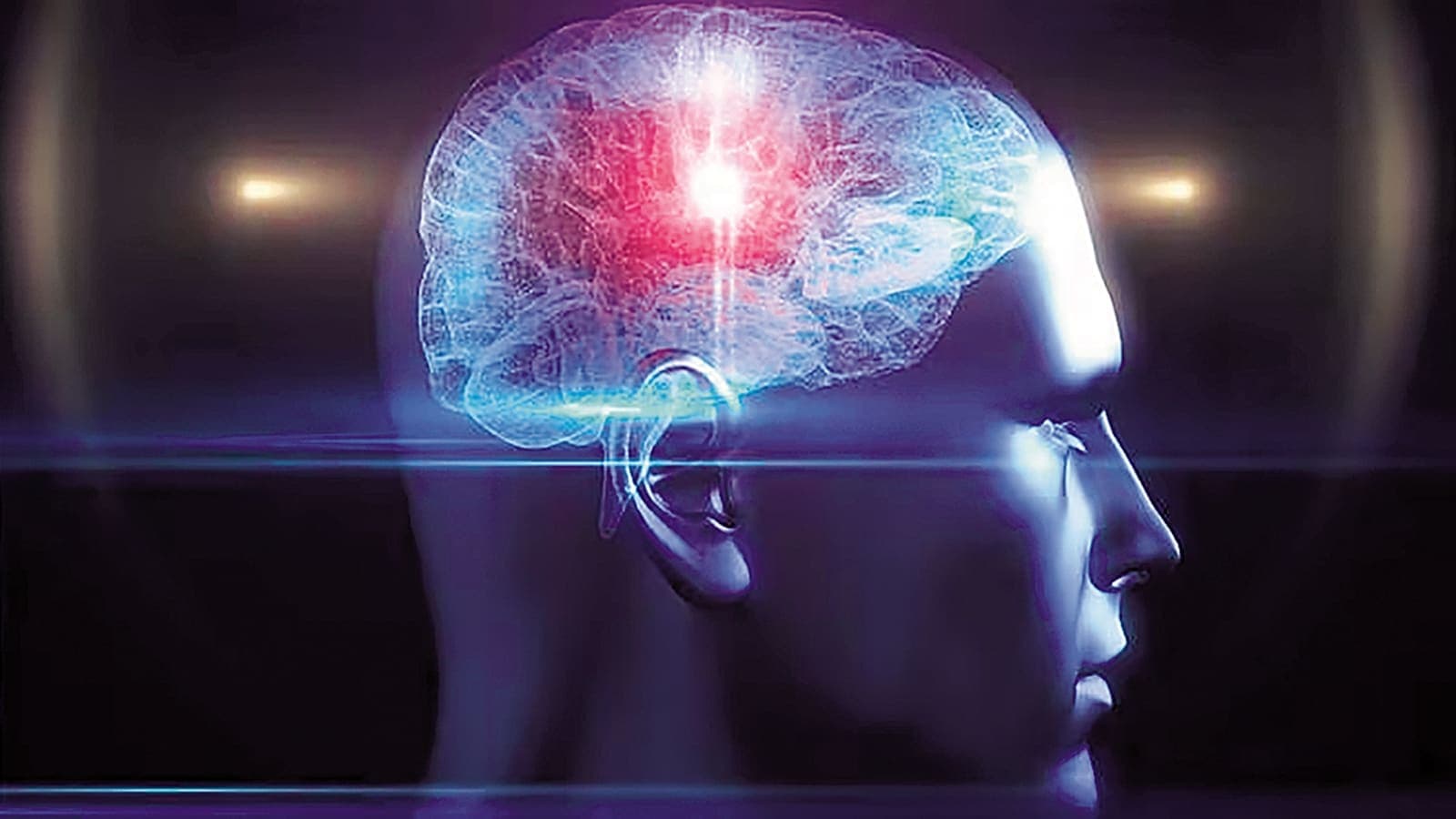
Discover how the brain protein Menin could be the key to halting cognitive decline with new research that uncovers its vital role in aging.
Indian Express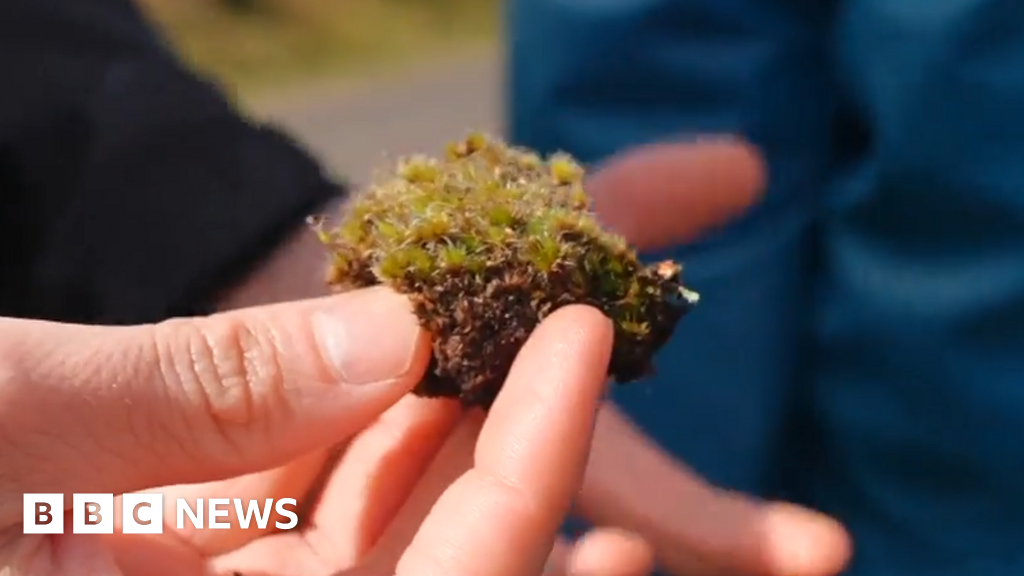
A new 'killer fungus' discovered in the UK targets invasive heath-star moss, offering hope for restoring native habitats. Will it turn the tide against invasives?
BBC Science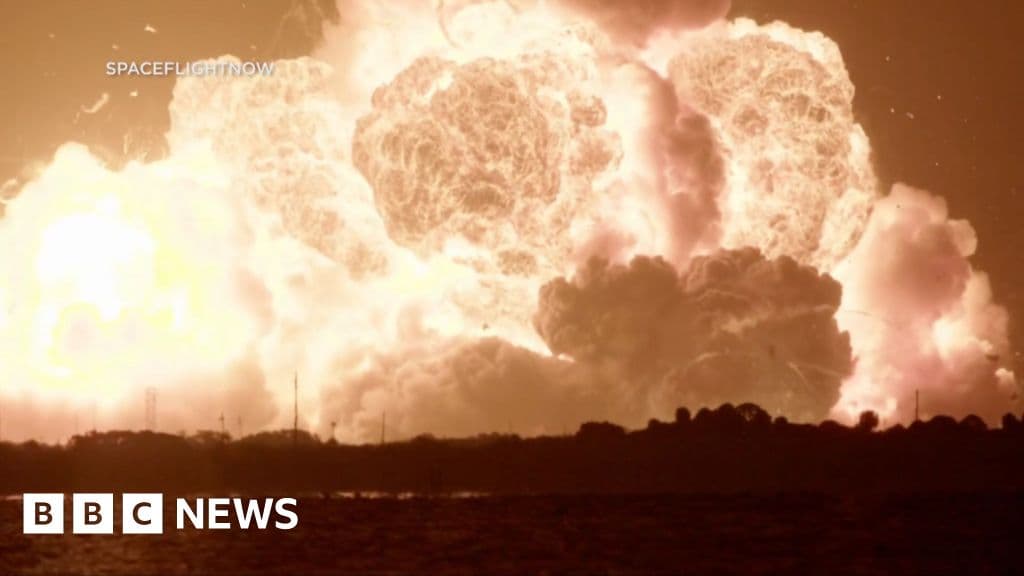
A Blue Origin rocket exploded during a test in Florida, prompting investigations. All personnel are safe. What does this mean for the future of space travel?
BBC Business