
Image: Mint (Business)
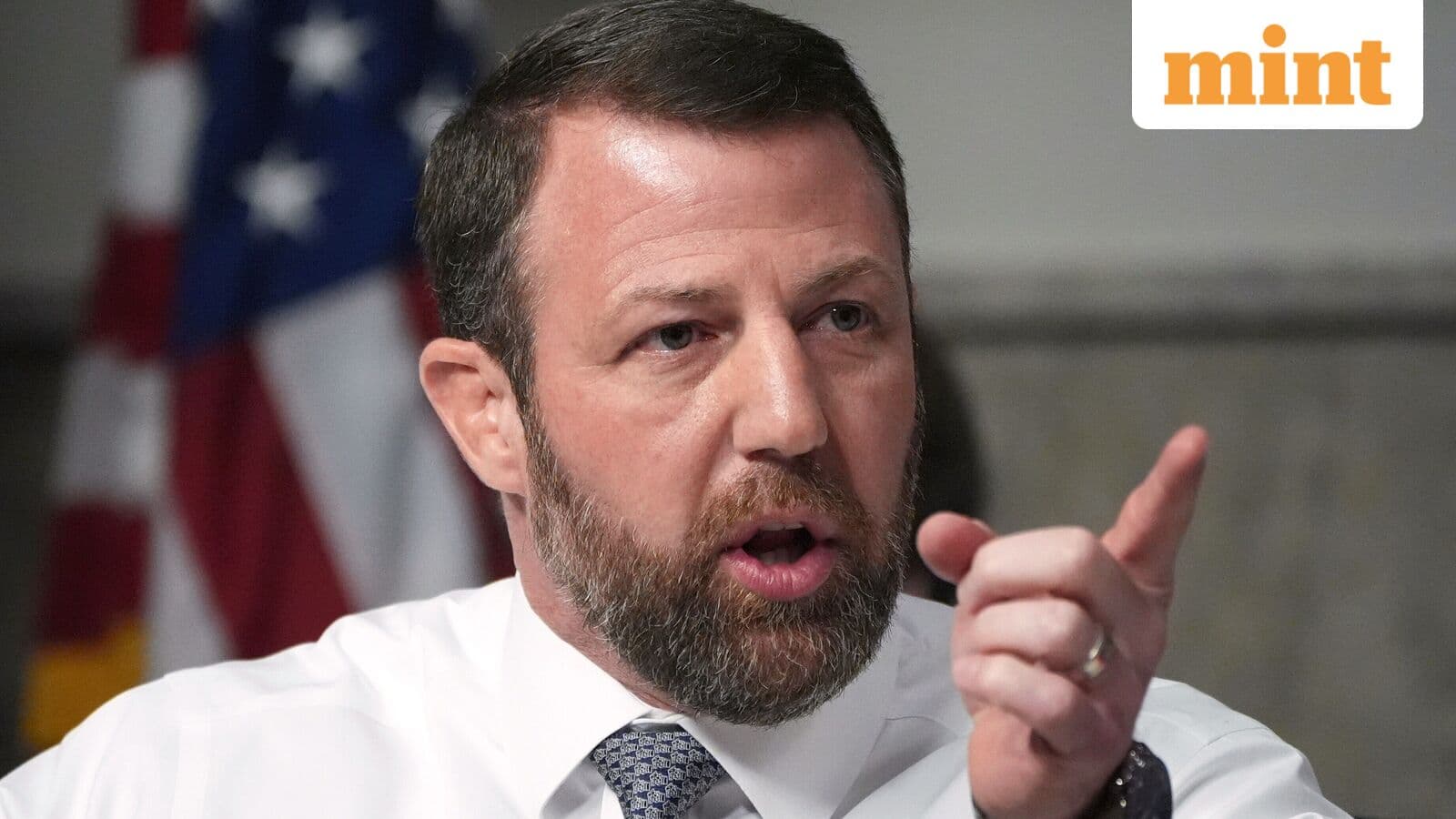
Senator Markwayne Mullin's confirmation hearing on March 18 reveals his immigration strategy amid national security challenges. Will he balance enforcement with civil rights?
GlipzoOn Wednesday, March 18, Senator Markwayne Mullin, who has been nominated by President Donald Trump to take over as Secretary of Homeland Security, will face a pivotal confirmation hearing in the Senate. This event is significant as it will provide insights into Mullin's strategies for managing immigration, especially amid the administration's ongoing push for mass deportations. Mullin, representing Oklahoma, has served in Congress for 13 years and is recognized as a staunch ally of Trump.
If confirmed, Mullin will succeed Kristi Noem, who was dismissed earlier this month due to increasing criticism regarding her leadership at the Department of Homeland Security (DHS). The confirmation hearing will be crucial for Mullin as it presents a chance to clarify his approach to a department that oversees a wide range of responsibilities, including the protection of the President, disaster recovery, and the enforcement of immigration laws.
Before entering politics, Mullin was a mixed martial arts fighter and a successful plumbing business owner. His background provides a unique perspective on leadership and management, which he may bring to the DHS. Historically, Mullin has shown robust support for strict immigration enforcement and is expected to align his policies closely with Trump's controversial agenda. This could mean a continuation of aggressive deportation strategies.
According to White House spokeswoman Abigail Jackson, Senator Mullin's commitment is clear: “Whether it be protecting the homeland from bad actors, stopping dangerous drugs from flowing into American communities, or removing the worst-of-the-worst criminal illegal aliens, Senator Mullin will work tirelessly to implement the President’s agenda.” This statement underscores the administration's focus on stringent immigration policies.
However, the hearing is expected to be contentious, particularly with Democrats poised to challenge Mullin on his approach to immigration enforcement and civil liberties. Senator Gary Peters (D-Michigan), who serves as the ranking member of the Senate Homeland Security and Governmental Affairs Committee, has made it clear that he believes the DHS requires a leader who can balance enforcement initiatives with respect for civil rights and community trust.
Peters has called for “straightforward reforms” that align with the regulations governing police departments, indicating a demand for a careful and measured approach to law enforcement. He has also raised concerns about whether Mullin possesses the necessary experience to navigate the complexities of national security, especially in the current challenging environment.
The departure of Kristi Noem has left a mark on the DHS, which faced severe scrutiny for its aggressive enforcement tactics under her leadership. Notable incidents occurred in major cities such as Los Angeles, Chicago, and Minneapolis, where federal officers clashed with protesters. The deaths of demonstrators Renee Good and Alex Pretti in Minneapolis have drawn particular attention to the administration's immigration policies, raising serious questions about the treatment of individuals during enforcement actions.
Mullin is likely to be questioned about how he plans to address these concerns and whether he will adopt a more compassionate approach to immigration enforcement, particularly in light of the tragedies that have occurred.
In addition to immigration issues, Mullin's confirmation hearing is expected to address the future of the Federal Emergency Management Agency (FEMA). Under the leadership of Trump and Noem, FEMA has been undergoing significant reforms, including changes to contract approval processes. These reforms have been controversial, particularly as they have resulted in delays of reimbursements for states managing disaster recovery efforts.
The ongoing partial government shutdown has further complicated matters, leading to long lines at airports as DHS security screeners work without pay. Republicans argue that the refusal of Democrats to fund the department jeopardizes national security, indicating a partisan divide that Mullin will need to navigate.
Mullin's confirmation as Secretary of Homeland Security carries significant implications not only for immigration policy but also for national security and disaster response. The outcomes of his hearing will shed light on the future direction of the DHS and its approach to contentious issues like deportation and civil liberties.
As the nation watches closely, key points of interest include: - Mullin's commitment to Trump’s immigration agenda. - The balance he seeks to achieve between enforcement and civil rights. - The future of FEMA and its operational reforms. - The impact of the ongoing government shutdown on national security.
As the confirmation hearing unfolds, it will be crucial to observe how Mullin addresses the concerns raised by lawmakers and the public. His responses could shape the future of immigration enforcement in the U.S. and influence how the DHS interacts with communities nationwide. Given the polarized political climate, Mullin's ability to foster collaboration and trust will be key in determining the effectiveness of his leadership at the DHS.
The confirmation process will not only reveal Mullin's priorities but also provide a barometer for public sentiment regarding immigration and national security in the coming years. As discussions evolve, stakeholders from various sectors will be keenly interested in how this pivotal leadership role shapes policy and public perception alike.

Tensions soar as the US and Iran engage in air strikes near the Strait of Hormuz, raising concerns over global oil supply and regional stability.
BBC World
Trump's international interventions face serious stalemates. What will this mean for U.S. foreign policy? Explore the critical challenges ahead.
Indian Express
Tehran denies resignation of President Masoud Pezeshkian amid claims of IRGC influence. What does this mean for Iran's political stability? Click to learn more!
Indian Express