
Image: Science Daily
Discover how scientists unraveled a 12,800-year-old climate mystery hidden in Greenland's ice, linking platinum levels to volcanic activity in Iceland.
GlipzoDeep beneath the expansive ice cover of Greenland, researchers have made a groundbreaking discovery: a 12,800-year-old chemical signal that has fueled debate among scientists for years. This signal, a significant spike in platinum levels found within an ice core, was previously believed to indicate a cosmic event, such as a meteorite or comet striking Earth. However, new findings suggest a more terrestrial explanation could be at play.
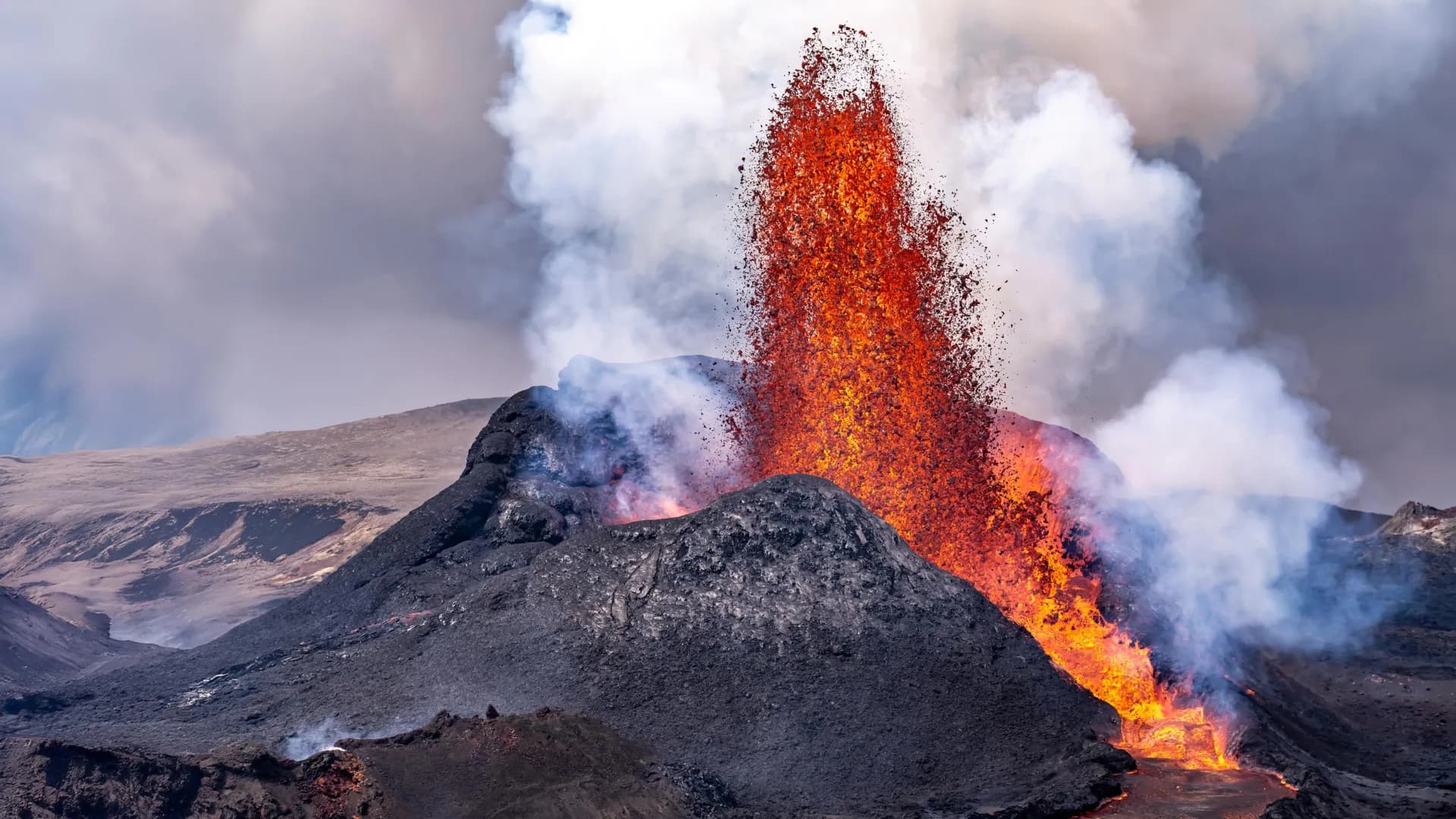
Scientists now propose that the platinum spike may not originate from outer space but instead could be linked to a volcanic eruption from a fissure in Iceland. This revelation not only reshapes our understanding of historical climate events but also raises intriguing questions about volcanic activity's role in climate change.
The timing of this platinum spike is particularly significant as it coincides with the onset of the Younger Dryas, a dramatic climatic event that occurred approximately 12,870 to 11,700 years ago. During this period, global temperatures across the northern hemisphere plummeted sharply, marking a stark reversal as the planet seemed poised to warm after the last ice age. Understanding the triggers for this sudden cooling is crucial for scientists as they seek to comprehend the intricacies of Earth's climate system.
Researchers have suggested that this cold spell may have been initiated by a major volcanic eruption in either Germany or from an unidentified volcano. This hypothesis adds another layer to the complex puzzle of climate interactions and the potential implications volcanic activity may have on global temperature fluctuations.
The Younger Dryas period is marked by extreme climatic shifts, as evidenced by ice core records. In Greenland, temperatures dropped by over 15°C compared to today, while Europe transitioned from lush forests to tundra. Rainfall patterns also shifted, moving southward across lower latitudes.
For years, the prevailing theory attributed this abrupt cooling to a massive influx of freshwater from melting North American ice sheets, which disrupted ocean circulation. However, another theory suggested that a comet or asteroid impact over North America could have initiated the Younger Dryas, complicating the narrative.
In 2013, scientists from the Greenland Ice Sheet Project (GISP2) discovered unusually high concentrations of platinum within ice cores. The perplexing ratio of platinum to iridium caused further intrigue, as typical space rocks contain elevated levels of iridium. This anomaly led researchers to explore various potential sources for the platinum spike, including the possibility of an unusual iron-rich asteroid or a link to the Laacher See volcanic eruption in Germany, which occurred around the same time and featured a unique chemical profile.
To investigate these possibilities, scientists analyzed 17 volcanic pumice samples from Laacher See's deposits, examining their platinum, iridium, and trace element content to construct a detailed chemical fingerprint. The findings were telling: these samples revealed minimal platinum concentrations, effectively ruling out the Laacher See eruption as the origin of the Greenland platinum spike.
An essential aspect of unraveling this mystery lies in examining the timeline of events. Updated dating of the ice cores indicates that the platinum spike emerged approximately 45 years after the onset of the Younger Dryas. This timeline suggests that the platinum levels could not have instigated the initial cooling phase.
Furthermore, the elevated platinum concentrations persisted for about 14 years, indicating a prolonged process rather than a sudden impact event. When researchers compared the ice core chemistry with other geological samples, they found that the closest match to the platinum signal originated from volcanic gas condensates, particularly those associated with underwater volcanic activity.
Icelandic volcanoes are known for their fissure eruptions, which can last for years or even decades. This characteristic aligns well with the 14-year duration of the platinum signal observed in the ice core samples. Researchers speculate that increased melting of ice sheets during this period may have relieved pressure on the Earth's crust, potentially enhancing volcanic activity in the region.
Understanding these volcanic contributions to climate change is not only crucial for comprehending past climate events but also for predicting future climatic shifts. As scientists continue to unravel the complexities of Earth’s climate system, the implications of volcanic activity could play a vital role in shaping our understanding of global warming and cooling cycles.
This research is significant for several reasons. It sheds light on the interconnectedness of volcanic activity and climate change, which could have implications for how we respond to current and future climate challenges. By deciphering the causes of past climate events like the Younger Dryas, scientists can better understand the potential consequences of ongoing climate change and inform policy decisions moving forward.
As we continue to monitor climate patterns and volcanic activity, the findings from Greenland's ice cores will remain a crucial piece of the puzzle in our quest to understand Earth's climate dynamics. What remains to be seen is how these insights will shape future climate models and our approach to mitigating the effects of climate change globally.

Discover how the brain protein Menin could be the key to halting cognitive decline with new research that uncovers its vital role in aging.
Indian Express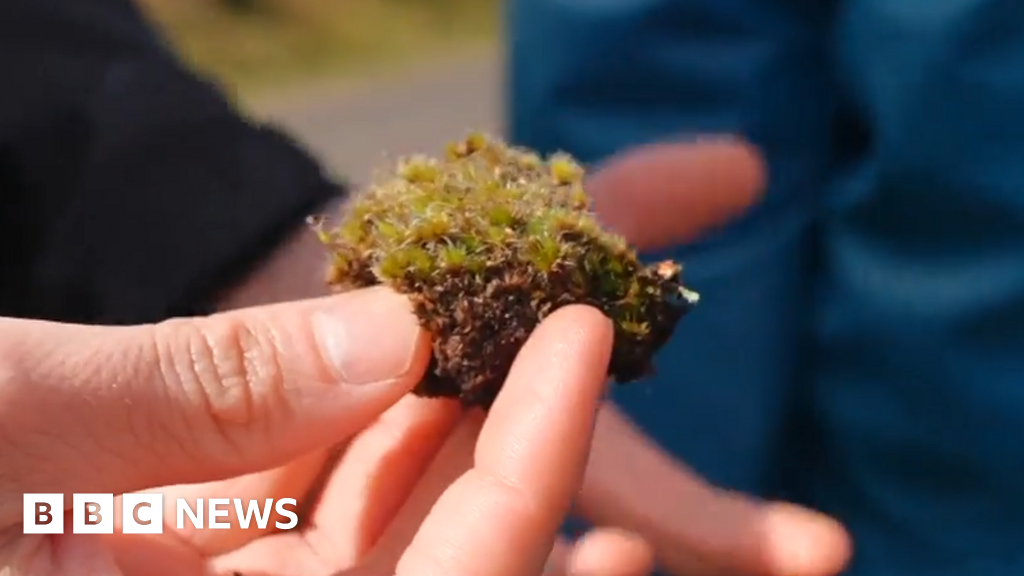
A new 'killer fungus' discovered in the UK targets invasive heath-star moss, offering hope for restoring native habitats. Will it turn the tide against invasives?
BBC Science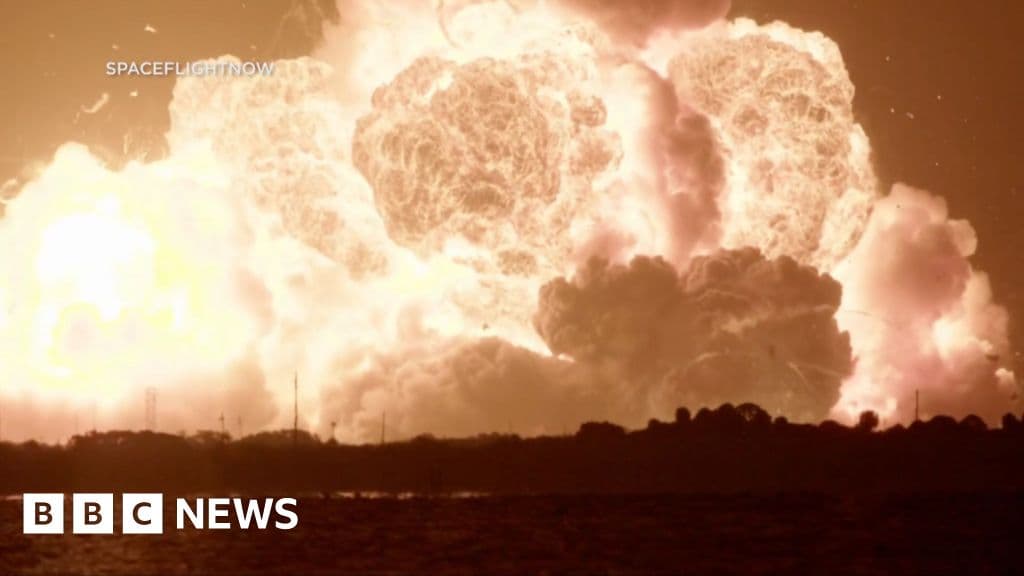
A Blue Origin rocket exploded during a test in Florida, prompting investigations. All personnel are safe. What does this mean for the future of space travel?
BBC Business