

Image: Science Daily
Discover the groundbreaking research on sourdough fermentation, revealing how wheat fibers influence quality and flavor in bread making.
GlipzoBread has long been a fundamental part of diets worldwide, but sourdough is having a moment in the spotlight. This beloved type of bread is not only cherished for its natural ingredients and rich flavor but also for its nutritional benefits. Despite its popularity, the intricate biological processes that take place during sourdough fermentation remain somewhat of a mystery. What really happens when sourdough ferments, and how do specific wheat fibers affect the final product? These inquiries formed the basis of Víctor González Alonso's doctoral research at Vrije Universiteit Brussel (VUB), where he focused on the behavior of wheat dietary fibers known as arabinoxylans during fermentation.
González Alonso notes, "Wheat provides a large share of the calories and fiber consumed in Europe, and arabinoxylans play an important part in this. They help determine the structure and quality of bread." Arabinoxylans exist in two primary forms:
Prior to this research, understanding how microorganisms in sourdough interacted with these fibers was limited. González Alonso's investigation involved analyzing various flour types, including those enriched with additional arabinoxylans. Through advanced DNA analysis and metabolite profiling, he sought to shed light on the fermentation process.
During his research, González Alonso discovered that sourdough develops into stable microbial ecosystems characterized by a balance of lactic acid bacteria and yeasts. He explains, "We observed that sourdoughs develop into stable microbial ecosystems, with lactic acid bacteria and yeasts in a complex balance. A higher fiber content barely altered this process, although we clearly demonstrated that sourdough fermentation converts part of the WE-AX into WU-AX."
This revelation indicates that the dynamics of fermentation processes are robust, even in the presence of varying fiber levels, but also that the transformation of fibers is significant.
One of the most intriguing findings from González Alonso's study centered on the source of fiber transformation during fermentation. Surprisingly, it was not primarily the bacteria that caused these changes; rather, the enzymes inherent in the wheat itself played a crucial role. As the dough ferments and acidity levels increase, these enzymes become activated, leading to the breakdown of large fiber molecules into smaller, more manageable fragments. This breakdown is essential for influencing the digestibility and texture of the final loaf.
Moreover, the research team identified specific bacteria that contribute significantly to the flavor profiles of sourdough. For example: - Lactococcus lactis: Linked to buttery aromas. - Limosilactobacillus fermentum: Produces sugar alcohols that impart a subtle sweetness to the bread.
To validate their laboratory findings, the research team conducted a pilot baking trial where they created sourdough using wheat flour enriched with high levels of arabinoxylans. The results were promising—these sourdough loaves not only boasted a higher nutritional profile but also presented a wider variety of flavors. González Alonso states, "Sourdough remains a fascinating interplay of biology and craftsmanship, and our research shows that sourdough fermentation influences wheat fibers to a greater extent than previously thought."
This research is not merely academic; it has real-world implications for bakers and consumers alike. By better understanding the fermentation process, bakers can enhance the nutritional value and flavor of their bread, meeting the growing demand for healthier, artisanal products.
The findings from González Alonso's research provide critical insights into the complex world of sourdough fermentation. As the demand for sourdough continues to rise, understanding the underlying biological processes can help bakers refine their techniques and improve product quality. This research not only benefits those in the baking industry but also contributes to broader discussions about food quality and nutrition.
Looking ahead, the implications of this study could encourage further research into other fibers and ingredients in bread-making, potentially leading to innovations in food science. Consumers can anticipate bread products that are not only tastier but also more nutritious, paving the way for a healthier future.
As we continue to explore and understand the remarkable science behind sourdough fermentation, we may uncover even more ways to enhance our daily bread, making it a staple that is both delicious and beneficial to our health.

Discover how the brain protein Menin could be the key to halting cognitive decline with new research that uncovers its vital role in aging.
Indian Express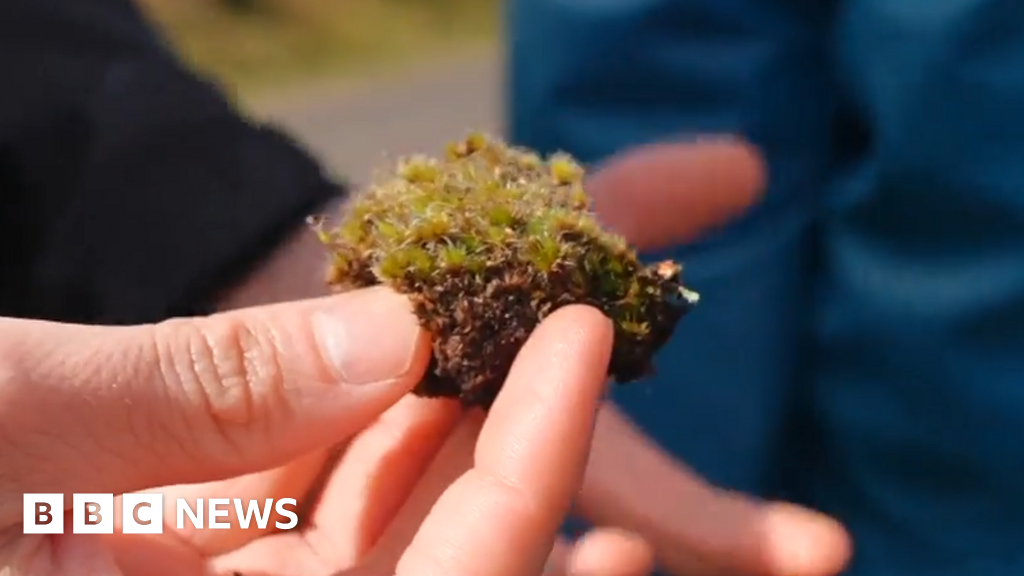
A new 'killer fungus' discovered in the UK targets invasive heath-star moss, offering hope for restoring native habitats. Will it turn the tide against invasives?
BBC Science
A Blue Origin rocket exploded during a test in Florida, prompting investigations. All personnel are safe. What does this mean for the future of space travel?
BBC Business