
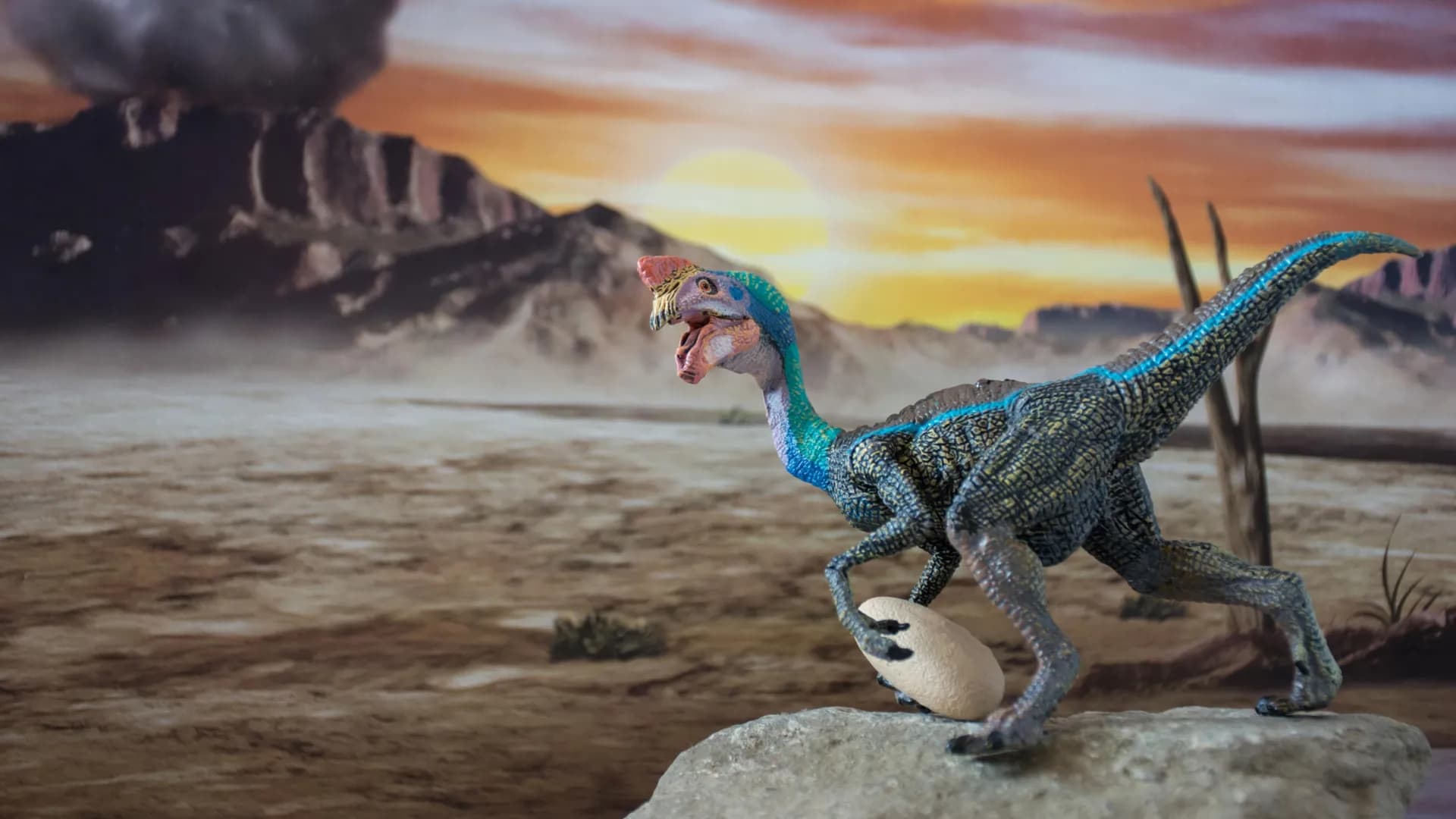
Image: Science Daily
Discover how scientists recreated an oviraptor nest to unveil the mystery behind dinosaur egg incubation methods. What did they find?
GlipzoIn this innovative research, scientists from Taiwan utilized advanced heat transfer simulations alongside hands-on experiments to gain insights into the hatching processes of these prehistoric creatures. Notably, they compared their findings with the egg incubation methods of contemporary birds to draw parallels between the two.
“We show the difference in oviraptor hatching patterns was induced by the relative position of the incubating adult to the eggs,” stated Dr. Tzu-Ruei Yang, the senior author and an associate curator of vertebrate paleontology at Taiwan's National Museum of Natural Science. “Moreover, we obtained an estimate of the incubation efficiency of oviraptors, which is much lower than that of modern birds,” added Chun-Yu Su, the first author of the study.
To recreate this species, the research team built a life-sized model using polystyrene foam for the torso and a wooden frame to provide structure. They crafted the soft tissue components with cotton, bubble paper, and fabric, while the eggs were simulated using casting resin. In their experiments, they arranged two sets of eggs in double rings, accurately reflecting fossil records.
“Part of the difficulty lies in reconstructing oviraptor incubation realistically,” Su noted. “For example, their eggs are unlike those of any living species, so we invented the resin eggs to approximate real oviraptor eggs as best as we could.”
“It’s unlikely that large dinosaurs sat atop their clutches,” Yang explained. “They probably utilized heat from the sun or soil to hatch their eggs, similar to turtles. Since oviraptor clutches are open to the air, heat from the sun likely mattered much more than heat from the soil.”
However, the oviraptor's unique arrangement of eggs in a circular pattern likely hindered its ability to maintain this contact. “Oviraptors may not have been able to conduct TCI as modern birds do,” Su stated. Instead, these dinosaurs likely relied on environmental heat in tandem with their own body warmth, functioning as co-incubators. While this method proved less effective than the TCI approach of modern birds, it may have suited their distinct nesting style, which transitioned from buried nests to semi-open configurations.
“Modern birds aren't 'better' at hatching eggs. Instead, birds living today and oviraptors have a very different way of incubation or, more specifically, brooding,” Yang emphasized. “Nothing is better or worse. It just depends on the environment.”
In conclusion, this groundbreaking research not only reveals the nesting habits of Heyuannia huangi but also opens the door for further exploration into the broader implications of dinosaur incubation strategies, helping to bridge the gap between ancient life and the birds we see today.

Discover how the brain protein Menin could be the key to halting cognitive decline with new research that uncovers its vital role in aging.
Indian Express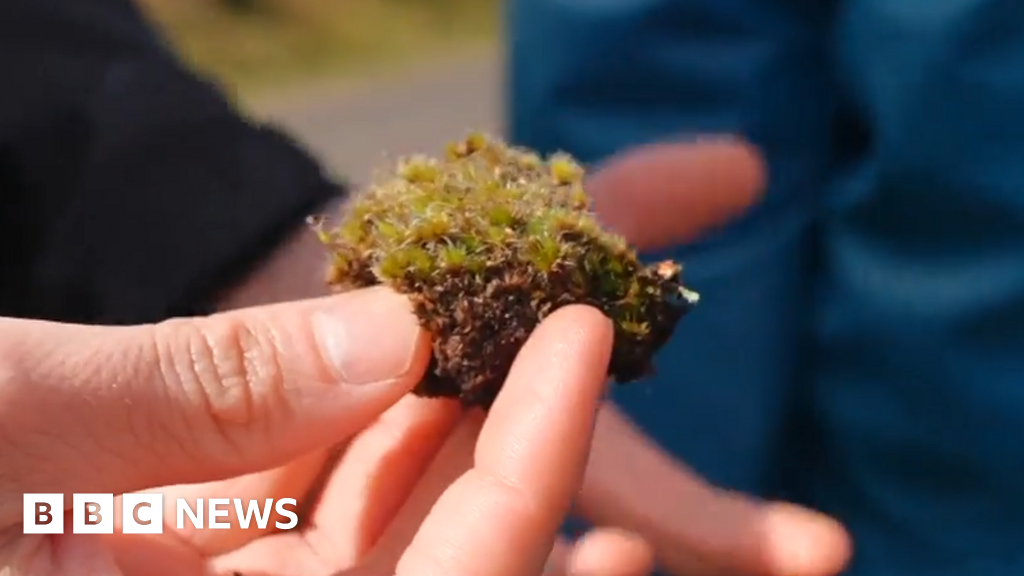
A new 'killer fungus' discovered in the UK targets invasive heath-star moss, offering hope for restoring native habitats. Will it turn the tide against invasives?
BBC Science
A Blue Origin rocket exploded during a test in Florida, prompting investigations. All personnel are safe. What does this mean for the future of space travel?
BBC Business