Glipzo
WorldTechnologyBusinessSportsEntertainmentScienceHealthPolitics
Glipzo
WorldTechnologyBusinessSportsEntertainmentScienceHealthPolitics
  1. Home
  2. /
  3. Science
  4. /
  5. RSPB Warns: Stop Feeding Garden Birds During Warmer Months
RSPB Warns: Stop Feeding Garden Birds During Warmer Months

Image: BBC Science

Science
Friday, April 10, 20264 min read

RSPB Warns: Stop Feeding Garden Birds During Warmer Months

RSPB urges bird lovers to stop feeding garden birds during warmer months to combat disease spread, particularly trichomonosis affecting greenfinches.

Glipzo News Desk|Source: BBC Science
Share
Glipzo

Key Highlights

  • RSPB advises against bird feeding from May to October.
  • Trichomonosis threatens greenfinch and chaffinch populations.
  • Over 16 million households regularly feed garden birds.
  • Hygiene is crucial to prevent disease transmission.
  • Local food availability may affect feeding practices.

In this article

  • The Surprising Advice from RSPB on Bird Feeding Feeding garden birds is a beloved activity for many nature enthusiasts in the UK, but a new recommendation from the **Royal Society for the Protection of Birds (RSPB)** is urging caution. The charity advises individuals to refrain from feeding birds from **May 1 to October 31**, as this practice may inadvertently contribute to the spread of diseases among these creatures. This surprising shift stems from rising concerns about health risks associated with bird feeders during the warmer months.
  • Understanding Trichomonosis: A Threat to Bird Populations Trichomonosis is caused by a parasite that infects birds' mouths, throats, and digestive tracts, hindering their ability to eat, drink, or breathe. Infected birds spread the parasite through saliva and droppings, which can contaminate food sources at feeders. Furthermore, adult birds can pass the infection directly to their chicks during feeding.
  • The RSPB's Call to Action: Seasonal Feeding is Key The RSPB's new guidance emphasizes a seasonal approach to feeding birds—encouraging people to **“feed seasonally, feed safely.”** A single infected bird can turn a bustling feeder into a potential disease hotspot, making it essential for bird lovers to prioritize hygiene. The charity suggests that while it’s best to avoid feeding during warmer months, small amounts of **mealworms, fat balls,** and **suet** can still be provided occasionally.
  • Why It Matters: The Impact on Bird Health The implications of these recommendations are significant, particularly for species at risk. The RSPB’s initiative aims to mitigate the spread of diseases that can decimate local bird populations. While many bird enthusiasts enjoy the daily visits from their avian neighbors, the potential consequences of feeding during the warmer months may outweigh the joy of seeing birds up close.
  • Controversial Opinions: Should the Advice Vary by Region? The RSPB’s advice has sparked discussions among bird lovers regarding its applicability across different regions. Some argue that feeding practices should be tailored based on local food availability. **Dick Woods**, a bird feeder manufacturer, points out that environments vary widely, with some gardens offering abundant natural food and others lacking alternatives.
  • Looking Ahead: What’s Next for Bird Conservation? As we move deeper into the year, the RSPB will continue to monitor bird populations and the impact of feeding practices on their health. The organization is committed to raising awareness and educating the public about responsible bird feeding habits. While the warmer months may bring a pause to feeding, it’s a crucial time for bird enthusiasts to reflect on the long-term health of their feathered friends.

The Surprising Advice from RSPB on Bird Feeding Feeding garden birds is a beloved activity for many nature enthusiasts in the UK, but a new recommendation from the **Royal Society for the Protection of Birds (RSPB)** is urging caution. The charity advises individuals to refrain from feeding birds from **May 1 to October 31**, as this practice may inadvertently contribute to the spread of diseases among these creatures. This surprising shift stems from rising concerns about health risks associated with bird feeders during the warmer months.

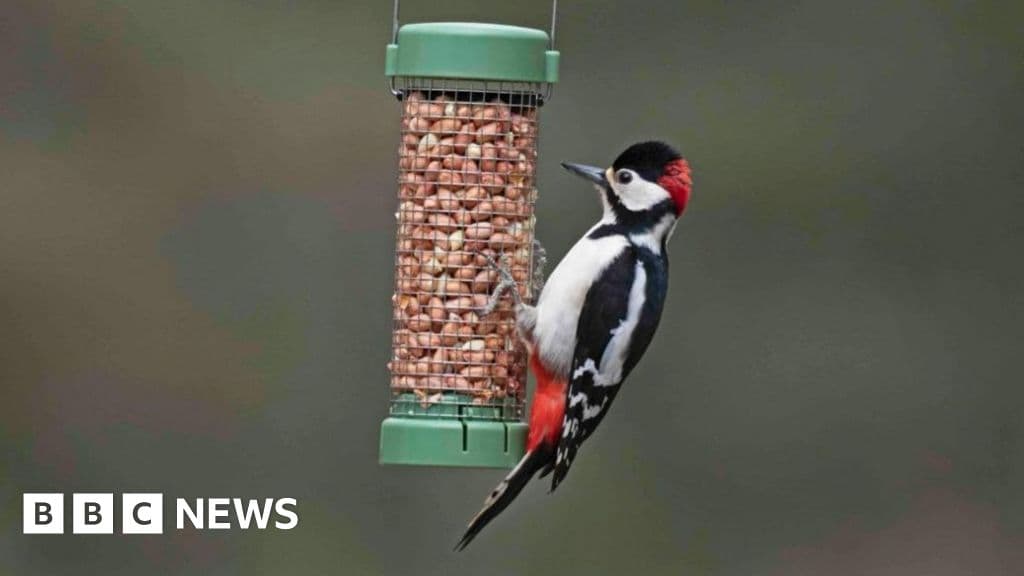
The RSPB highlights a critical issue: bird feeders can become disease hotspots, particularly for a parasitic infection known as trichomonosis. This condition has devastated populations of several bird species, notably the greenfinch and chaffinch, leading to substantial declines. The greenfinch, once a common sight in gardens, has seen its numbers plummet by two million, prompting its classification on the red list of endangered species.

Understanding Trichomonosis: A Threat to Bird Populations Trichomonosis is caused by a parasite that infects birds' mouths, throats, and digestive tracts, hindering their ability to eat, drink, or breathe. Infected birds spread the parasite through saliva and droppings, which can contaminate food sources at feeders. Furthermore, adult birds can pass the infection directly to their chicks during feeding.

The RSPB's recent findings from the Big Garden Birdwatch reveal a stark decline in greenfinches, dropping from seventh place in popularity in 1979 to eighteenth in 2025. This decline reflects a broader trend, as over 16 million households regularly put out food for birds, resulting in an estimated one feeder for every nine birds that utilize them.

The RSPB's Call to Action: Seasonal Feeding is Key The RSPB's new guidance emphasizes a seasonal approach to feeding birds—encouraging people to **“feed seasonally, feed safely.”** A single infected bird can turn a bustling feeder into a potential disease hotspot, making it essential for bird lovers to prioritize hygiene. The charity suggests that while it’s best to avoid feeding during warmer months, small amounts of **mealworms, fat balls,** and **suet** can still be provided occasionally.

Key hygiene practices recommended by the RSPB include: - Thoroughly cleaning feeders at least once a week. - Relocating feeders after each clean to prevent contamination. - Providing water only if it can be changed daily, using fresh tap water. - Cleaning bird baths weekly to maintain a safe environment.

Why It Matters: The Impact on Bird Health The implications of these recommendations are significant, particularly for species at risk. The RSPB’s initiative aims to mitigate the spread of diseases that can decimate local bird populations. While many bird enthusiasts enjoy the daily visits from their avian neighbors, the potential consequences of feeding during the warmer months may outweigh the joy of seeing birds up close.

Helen Rowe, a resident from the Isle of Dogs in London, expressed her commitment to adhere to the RSPB’s advice. Despite her fondness for the sparrows that visit her garden, she stated, “I want to support the birds—I don’t want to do anything that’s going to spread disease.”

Controversial Opinions: Should the Advice Vary by Region? The RSPB’s advice has sparked discussions among bird lovers regarding its applicability across different regions. Some argue that feeding practices should be tailored based on local food availability. **Dick Woods**, a bird feeder manufacturer, points out that environments vary widely, with some gardens offering abundant natural food and others lacking alternatives.

The RSPB acknowledges these concerns but emphasizes that their overarching goal is to safeguard bird health. The success of this initiative will rely heavily on public cooperation and understanding of the disease transmission risks involved.

Looking Ahead: What’s Next for Bird Conservation? As we move deeper into the year, the RSPB will continue to monitor bird populations and the impact of feeding practices on their health. The organization is committed to raising awareness and educating the public about responsible bird feeding habits. While the warmer months may bring a pause to feeding, it’s a crucial time for bird enthusiasts to reflect on the long-term health of their feathered friends.

In the face of ongoing challenges, bird lovers are encouraged to stay informed and adapt their practices to ensure the sustainability of bird populations. The RSPB’s efforts to combat diseases like trichomonosis serve as a reminder that our actions can have significant consequences on wildlife conservation. As we navigate this evolving landscape, the focus remains on promoting a safe and healthy environment for our garden birds.

In summary, while the joy of feeding birds can be a rewarding experience, adhering to the RSPB’s guidelines will help protect vulnerable species and foster a thriving ecosystem for future generations.

Did you find this article useful? Share it!

Share

Related Articles

Critical Consultation for Golden Eagle Reintroduction in England
Science
Apr 14, 2026

Critical Consultation for Golden Eagle Reintroduction in England

Discover the critical consultation for the golden eagle reintroduction in northern England, aiming to restore this majestic species by 2027.

BBC Science
Transforming Coastal Ecosystems with Floating Wetlands
Science
Apr 14, 2026

Transforming Coastal Ecosystems with Floating Wetlands

Discover how floating wetlands aim to restore vital coastal ecosystems in the UK, offering a sustainable solution to environmental degradation.

BBC Science
Surrey's Blue Tit Leads Birdwatch Amid National Decline
Science
Apr 14, 2026

Surrey's Blue Tit Leads Birdwatch Amid National Decline

Discover why Surrey's blue tit is the top bird in a new survey while national trends show alarming declines in other species. Find out what this means.

BBC Science

Categories

  • World
  • Technology
  • Business
  • Sports

More

  • Entertainment
  • Science
  • Health
  • Politics

Explore

  • Web Stories
  • About Us
  • Contact

Legal

  • Privacy Policy
  • Terms of Service

© 2026 Glipzo. All rights reserved.